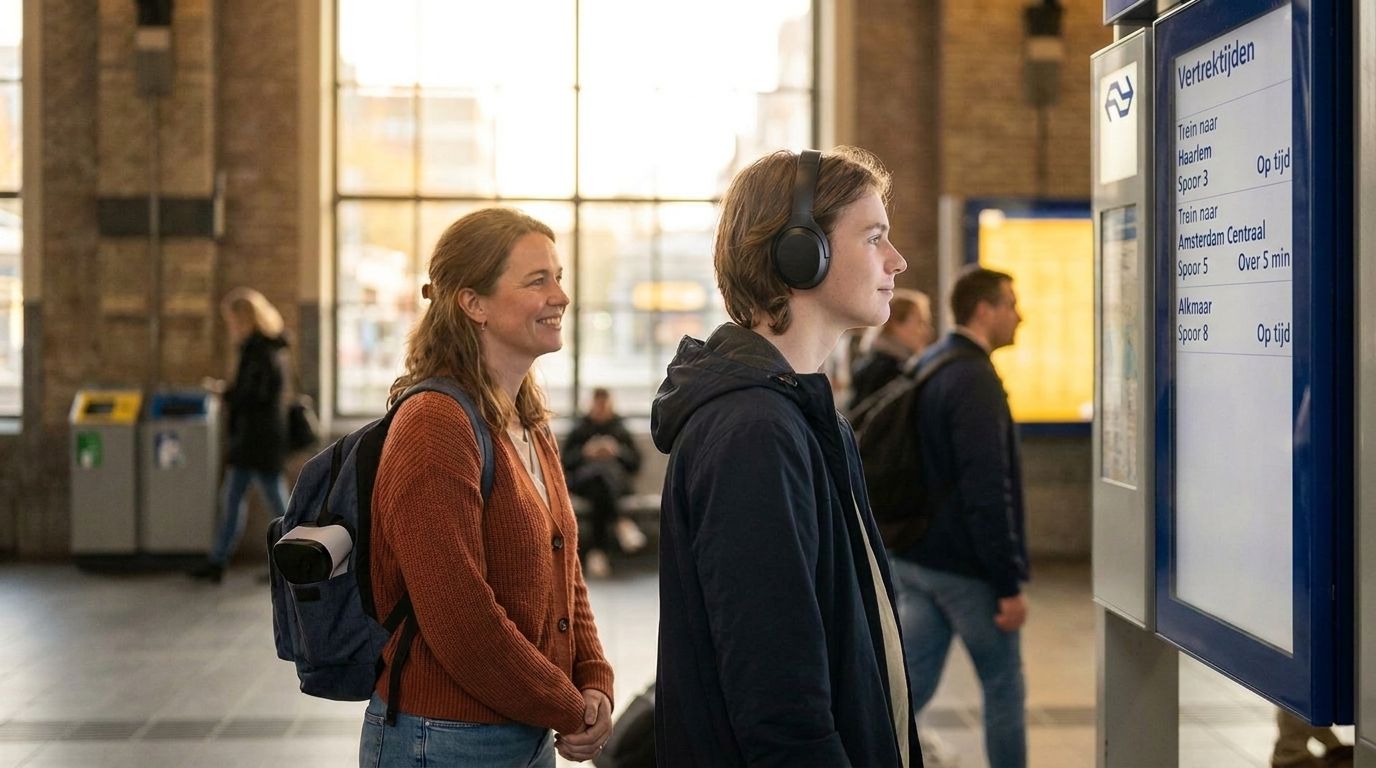
The end of the school year is in sight. For many students, this means holidays, relaxation, and looking forward to the next step. But within special secondary education (VSO), this period also brings with it another, more urgent question: what happens after the summer?
For a large group of VSO pupils, something fundamentally changes as soon as they turn 18 or transition to day activities, work, or adult care. The certainties they could count on for years – such as student transport and intensive guidance – disappear (partially). Suddenly, more independence is expected. And that often starts with something seemingly simple: traveling independently.
But are these young people actually prepared for that?
The gap between school and independence
Within special secondary education, the focus is on development, structure, and safety – quite rightly so. Students grow at their own pace, with guidance perfectly tailored to their needs. At the same time, we observe in practice that the transition to independence outside of school often requires extra attention.
Traveling independently requires a combination of skills:
- Planning and maintaining an overview
- Dealing with unexpected situations
- Social interaction (for example, asking for help)
- Self-confidence in a busy, stimulating environment
For many students with, for example, autism or a mild intellectual disability, this is not a self-evident process. It requires repetition, predictability, and a safe learning environment.
The reality after outflow
As soon as support is withdrawn, risks arise. Young people who do not dare or are unable to travel independently become dependent on parents, care providers, or expensive customized solutions. In some cases, this even hinders their participation in work or daytime activities.
This affects not only the young person themselves, but also:
- Parents and caregivers who are burdened additionally
- Municipalities, seeking suitable and affordable solutions
- Healthcare and education organizations that strive for sustainable outflow
The question is therefore not whether we should prepare for independence, but how we do so effectively and in a timely manner.
Learning by experience, without risk
Traditional travel skills training is valuable, but it also has limitations. The real world is unpredictable, sometimes unsafe, and not always suitable as a learning environment for taking the first steps.
Here lies an opportunity to look at learning differently. Solutions such as
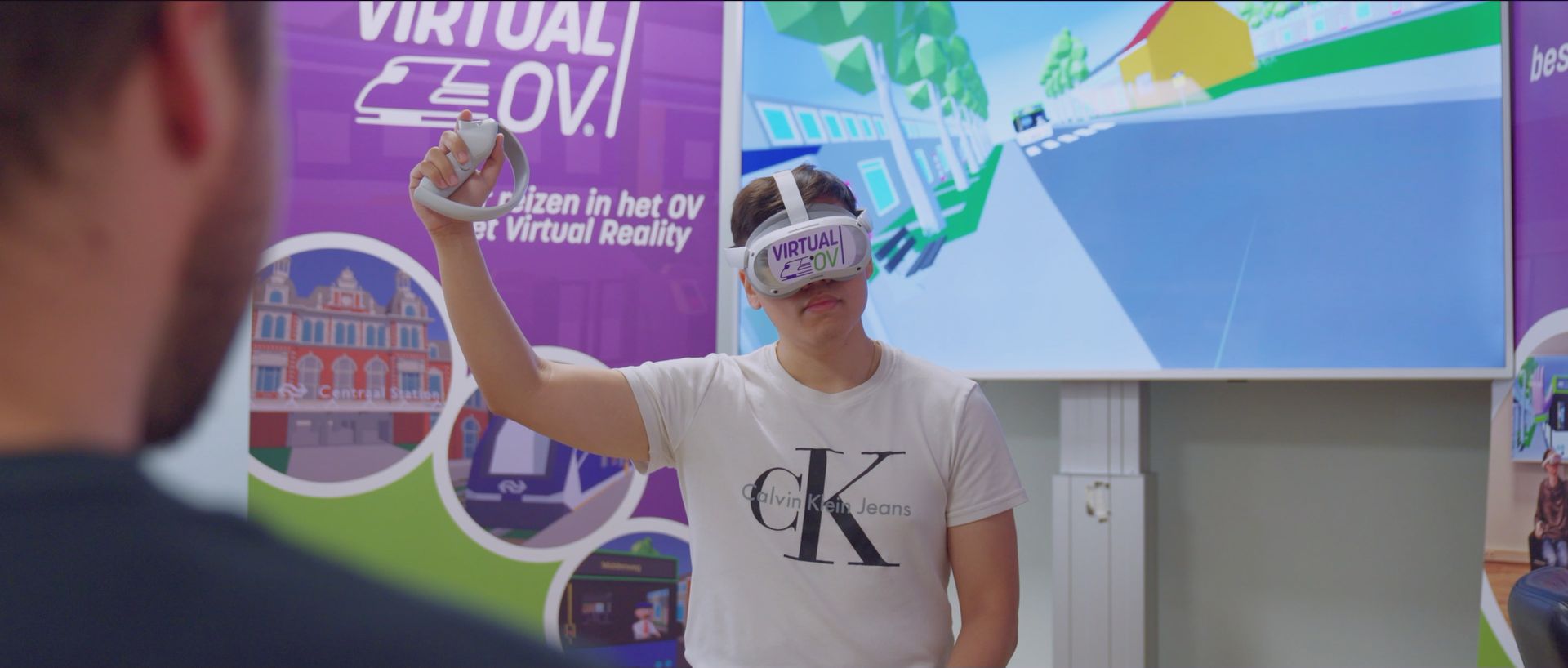
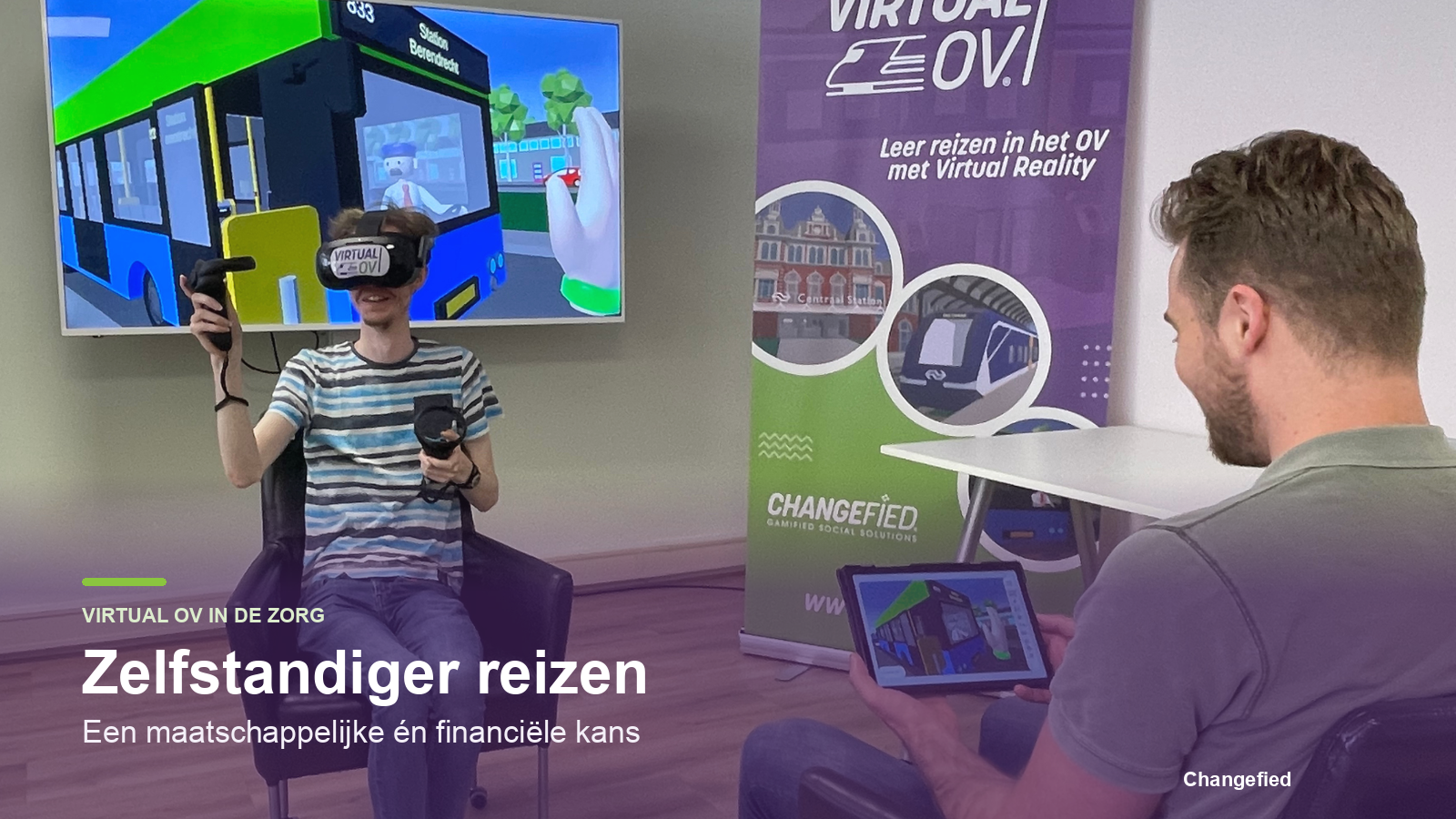
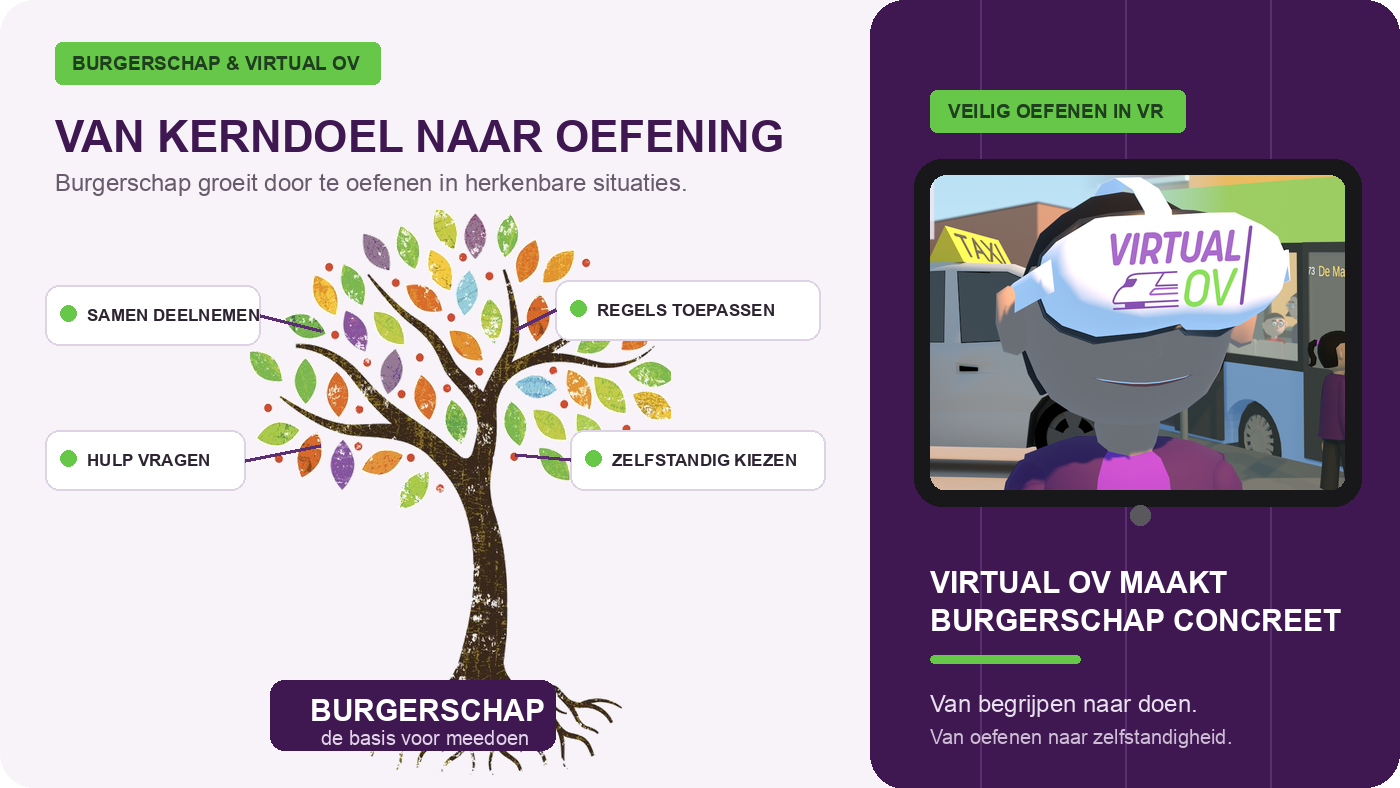
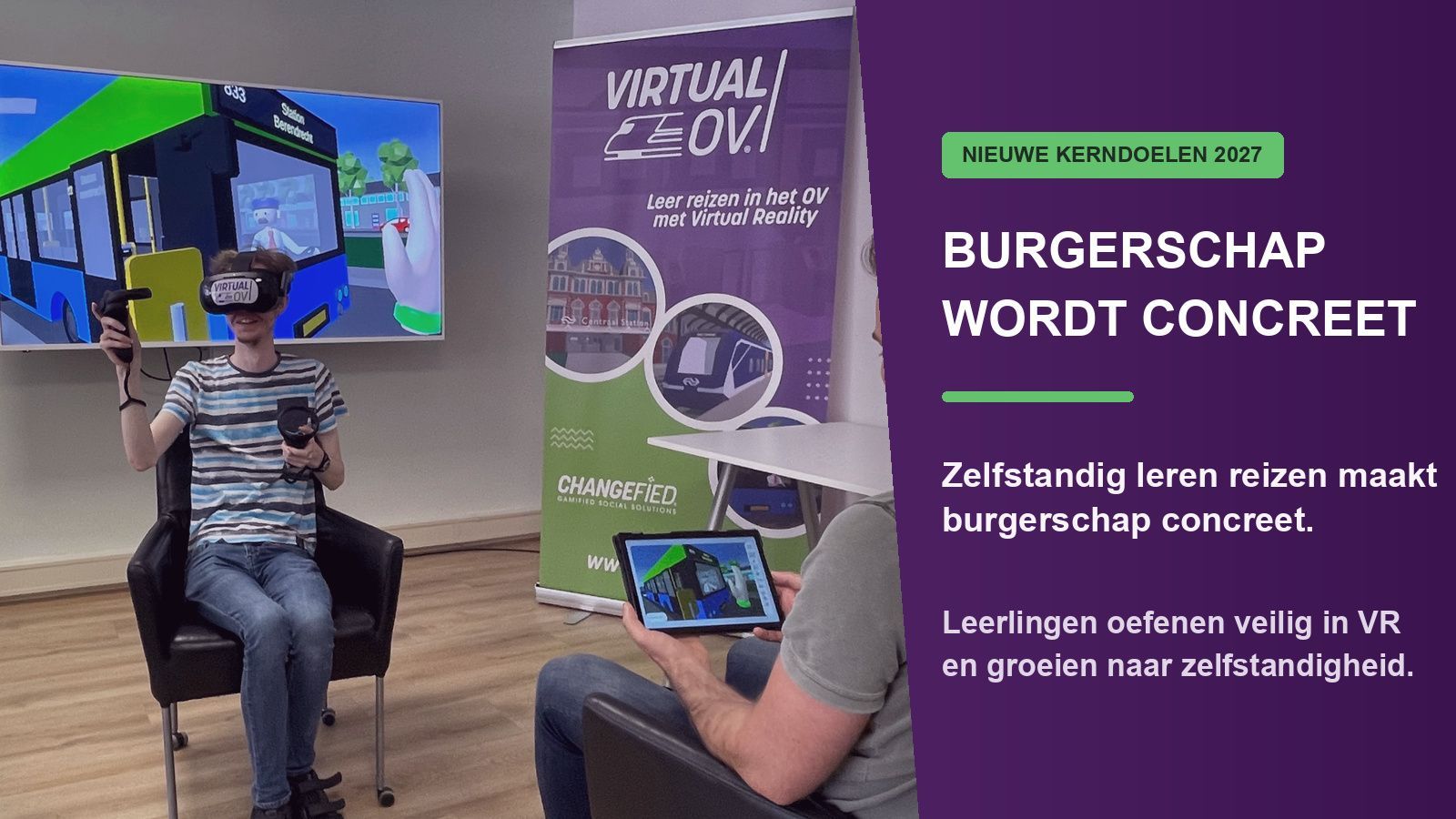
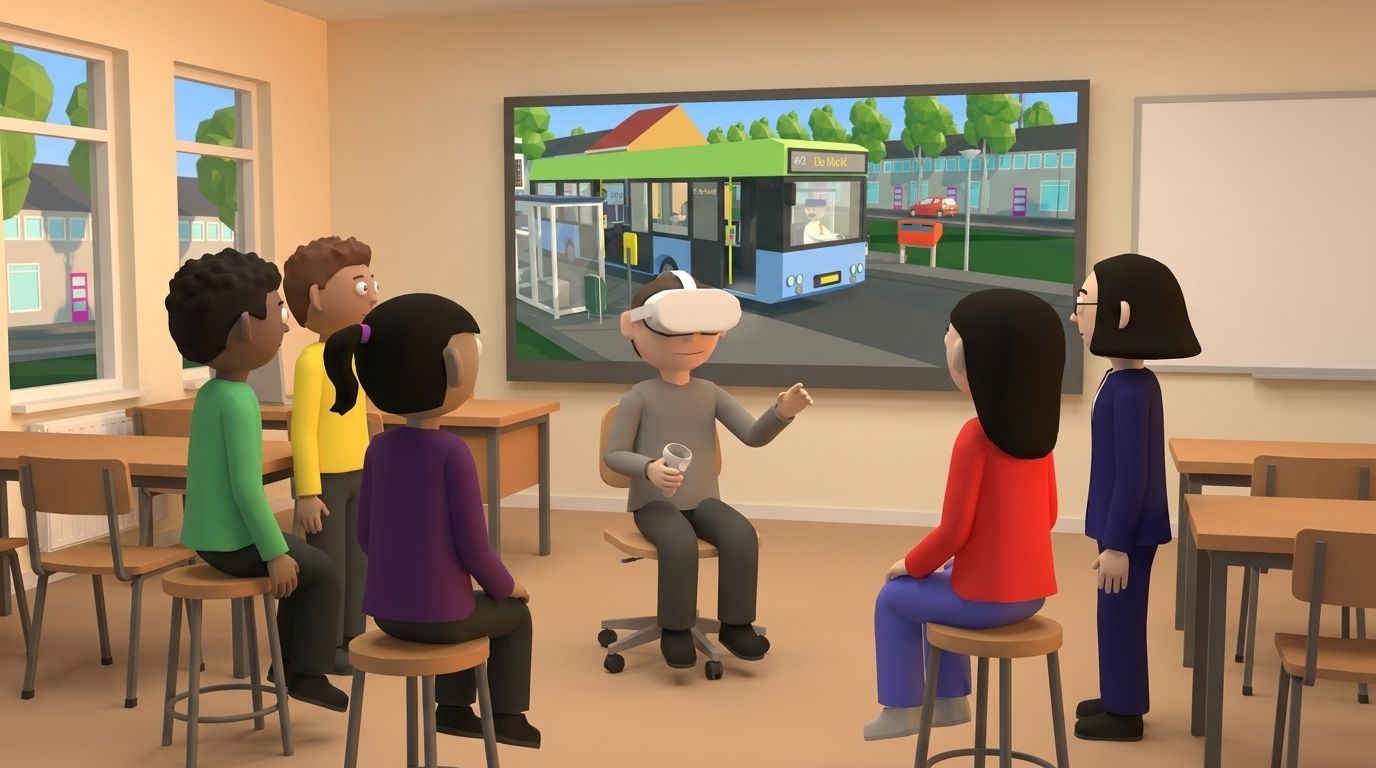
Virtual OV make this possible: a VR platform that allows students to practice real public transport situations in a safe, realistic environment — from checking in and transferring to dealing with delays or crowds. In this way, they build self-confidence step by step, without risks.
From preparation to true independence
The transition to adulthood does not begin on the day a student leaves – it begins years earlier. By paying timely attention to practical skills such as independent travel, we collectively increase self-reliance and opportunities for sustainable participation in society.
This presents a shared opportunity for schools, municipalities, and care partners. By investing together in effective learning methods, we help these young people
Frequently Asked Questions:
When does student transport for VSO students stop?
Usually at age 18 or upon transition to day activities/work.
How does VR help with independent travel?
Students repeatedly practice real public transport situations in a safe environment, which builds self-confidence.
Does Virtual OV align with VSO core objectives?
Yes, for self-reliance, citizenship, and preparation for employment (SLO/CED learning pathways).