From van to independence
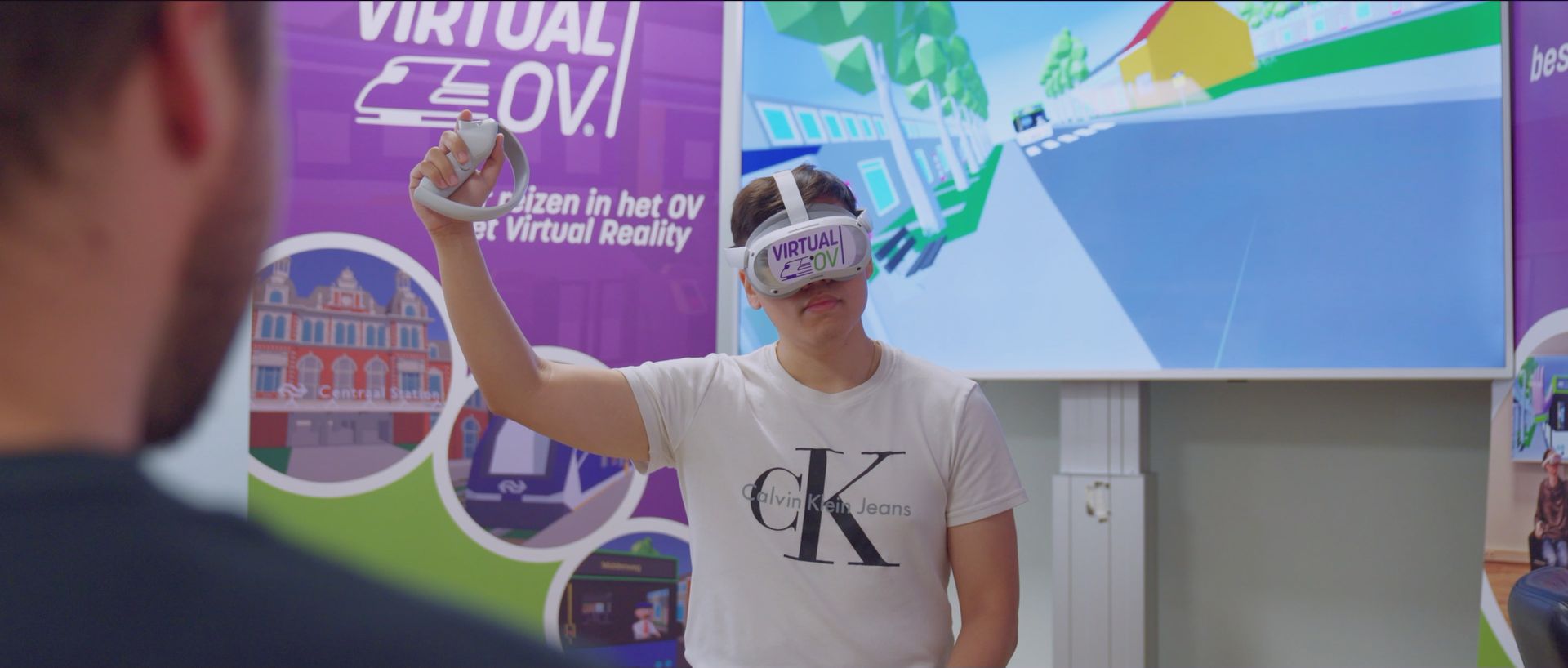
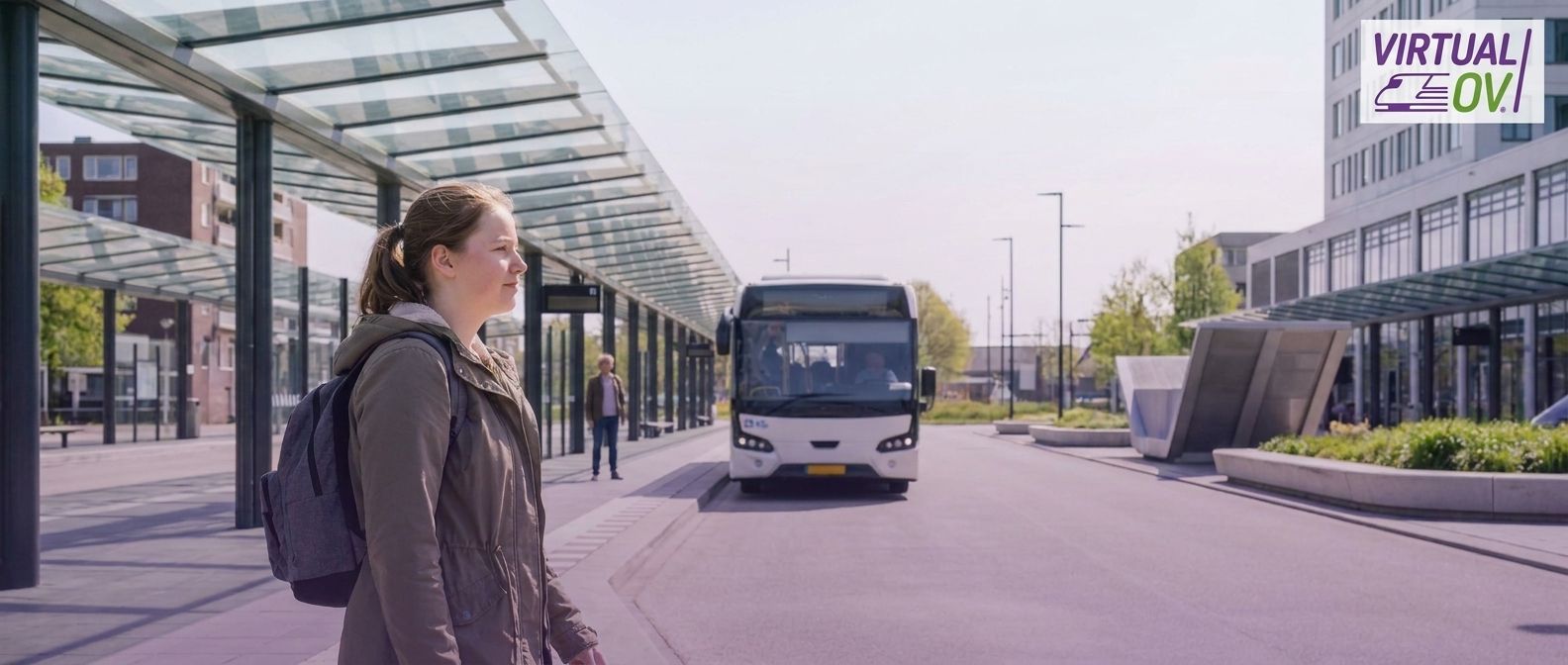
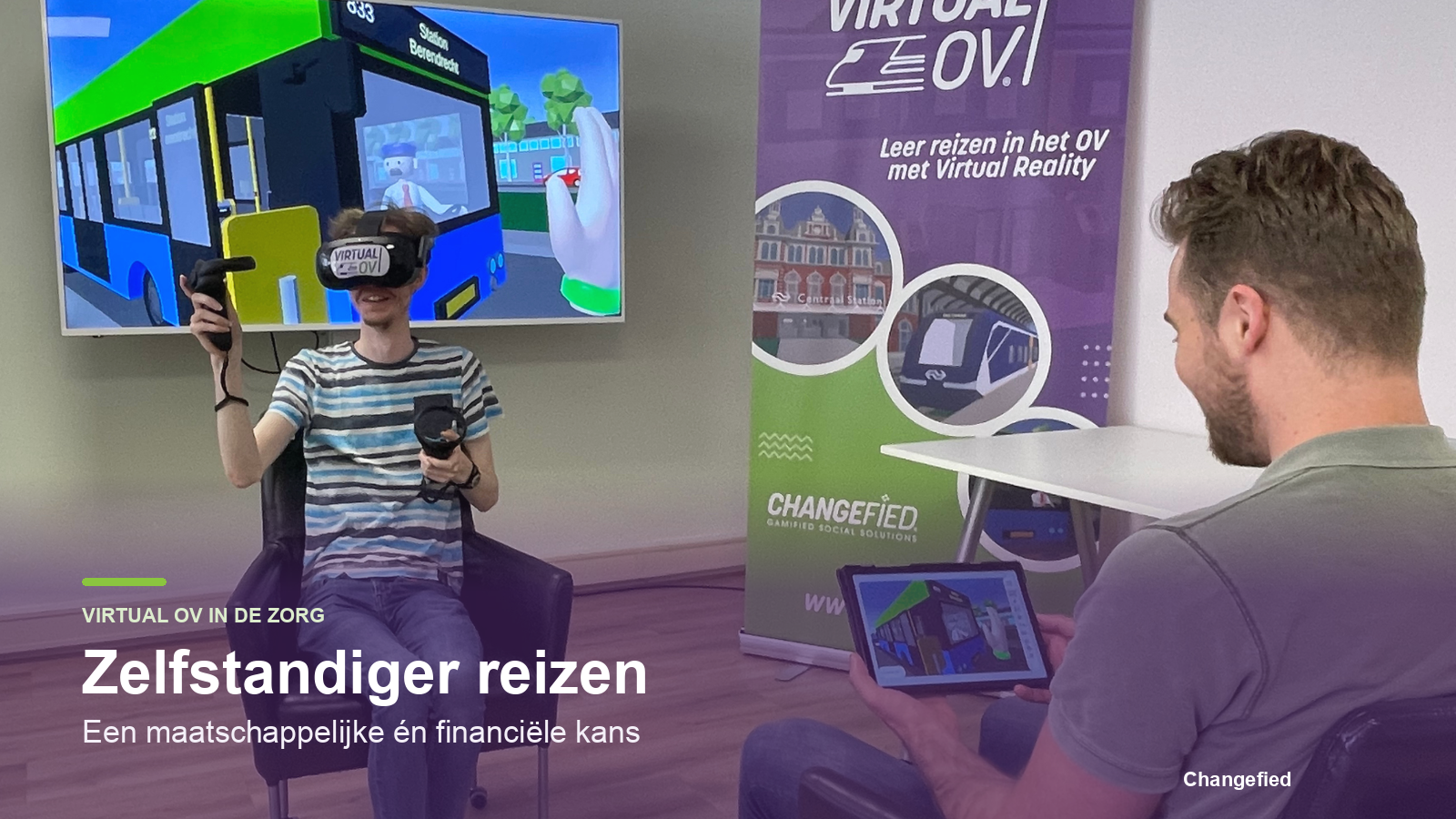
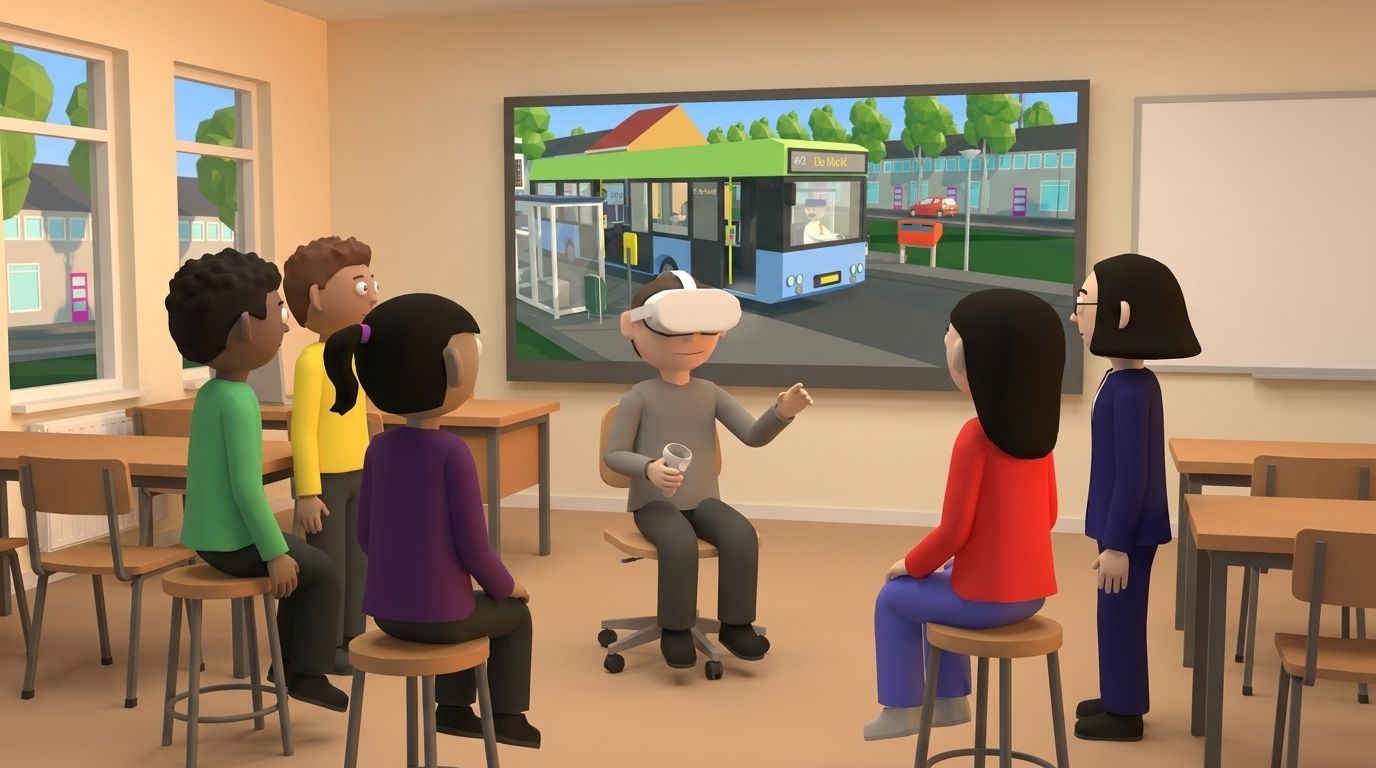
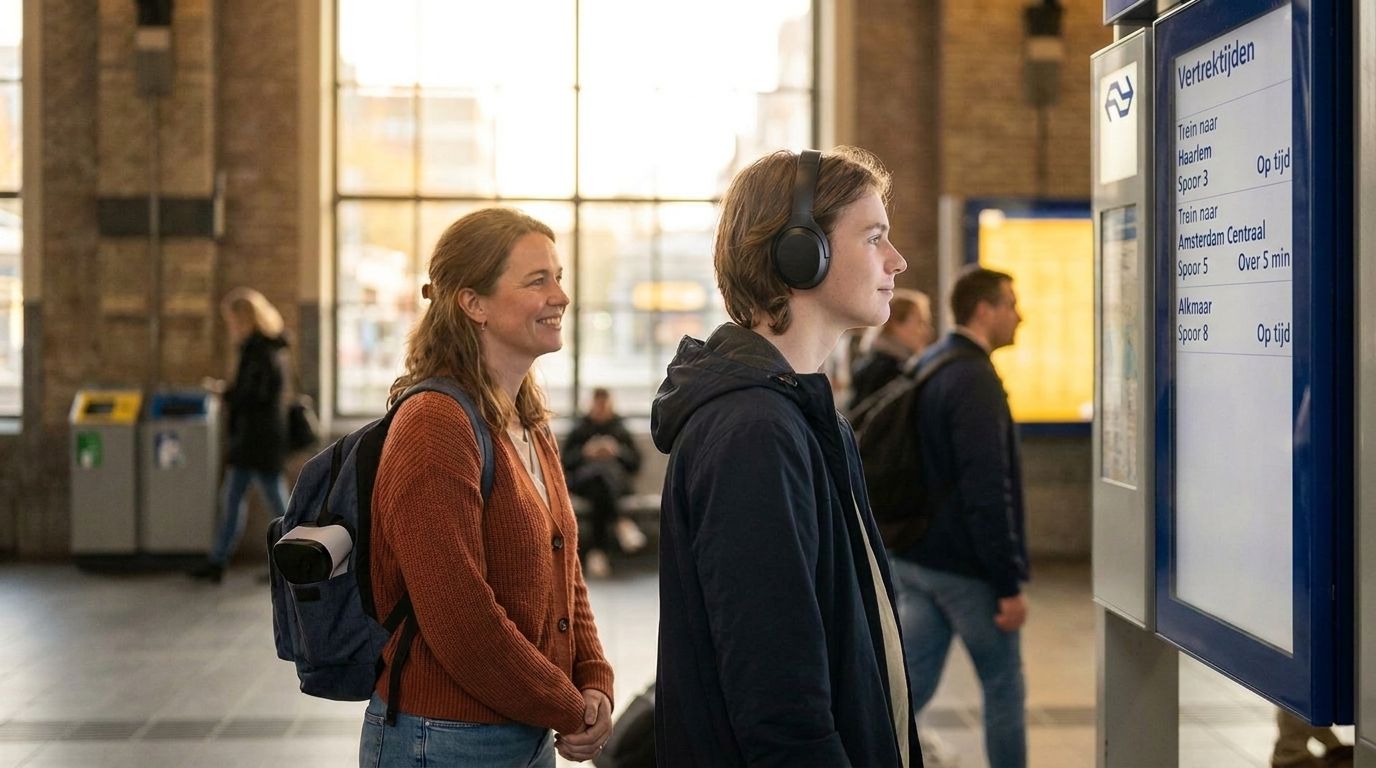
Tens of thousands of VSO students with mild intellectual disabilities (MID) or autism travel to school daily using student transport—vans and minibuses—because traveling independently by public transport is not (yet) feasible. This means less autonomy for young people, high costs for municipalities and parents, and often long, tiring commutes. While their peers are experiencing increasing freedom, many VSO students remain dependent on a van to pick them up and take them home. This presents enormous opportunities for smart, safe learning pathways toward greater self-reliance. Virtual public transport seamlessly addresses this challenge: in a safe VR environment, students can practice traveling without having to cross the threshold of a real station or bus platform.
“Getting started”: policy that creates space
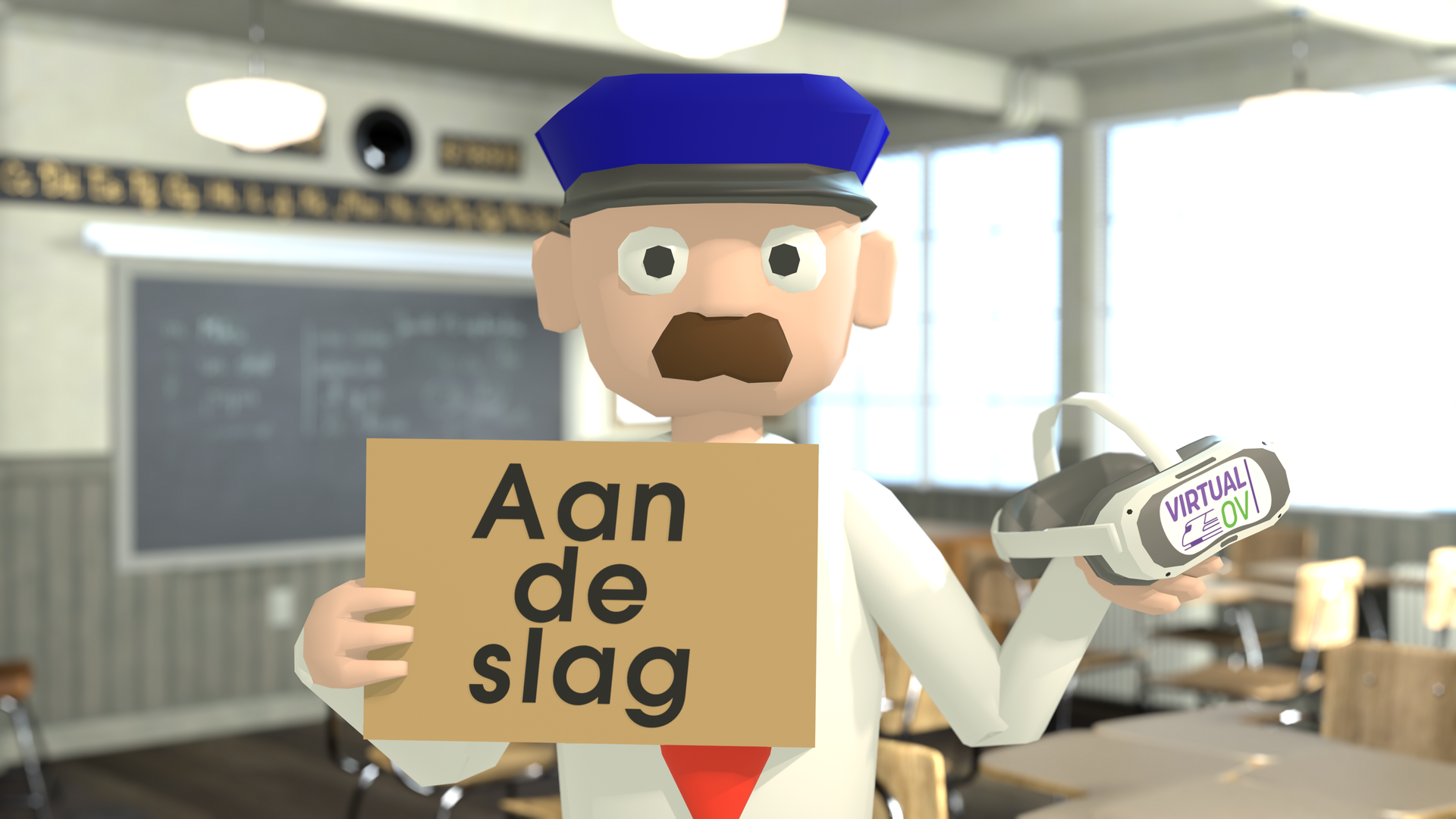
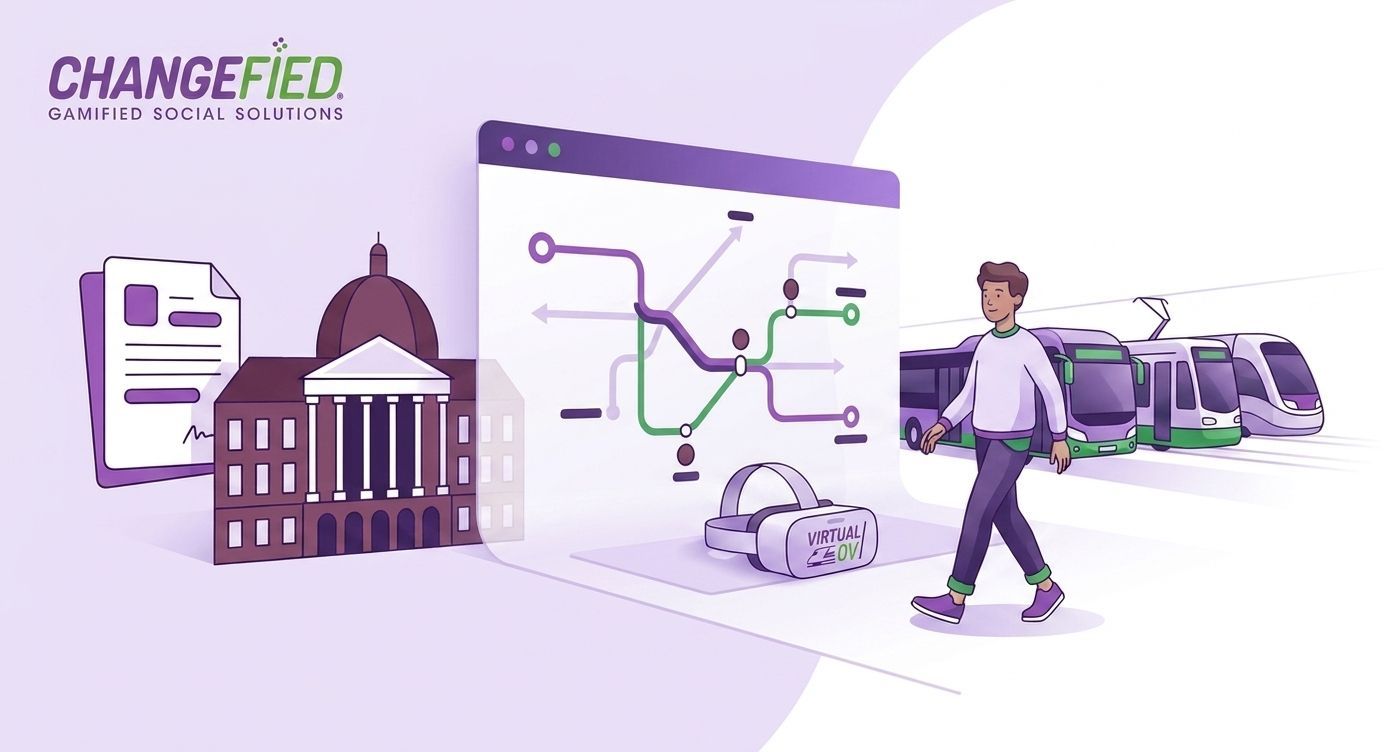
The new coalition agreement, "Aan de slag" (Getting Started), explicitly focuses on a more inclusive and cohesive society, where everyone can participate as much as possible. We are truly pleased that the government is taking a clear step with this: more attention to self-reliance, fewer barriers between healthcare and education, and more room for regional innovations that truly help vulnerable groups. For young people in special education (VSO), this means more opportunities to develop the skills they need for further education, employment, and independent living. Independent travel (learning to travel) on public transport is a key skill in this regard – and that's precisely where Virtual Public Transport can make a difference.
Virtual Public Transport as a partner of the coalition agreement
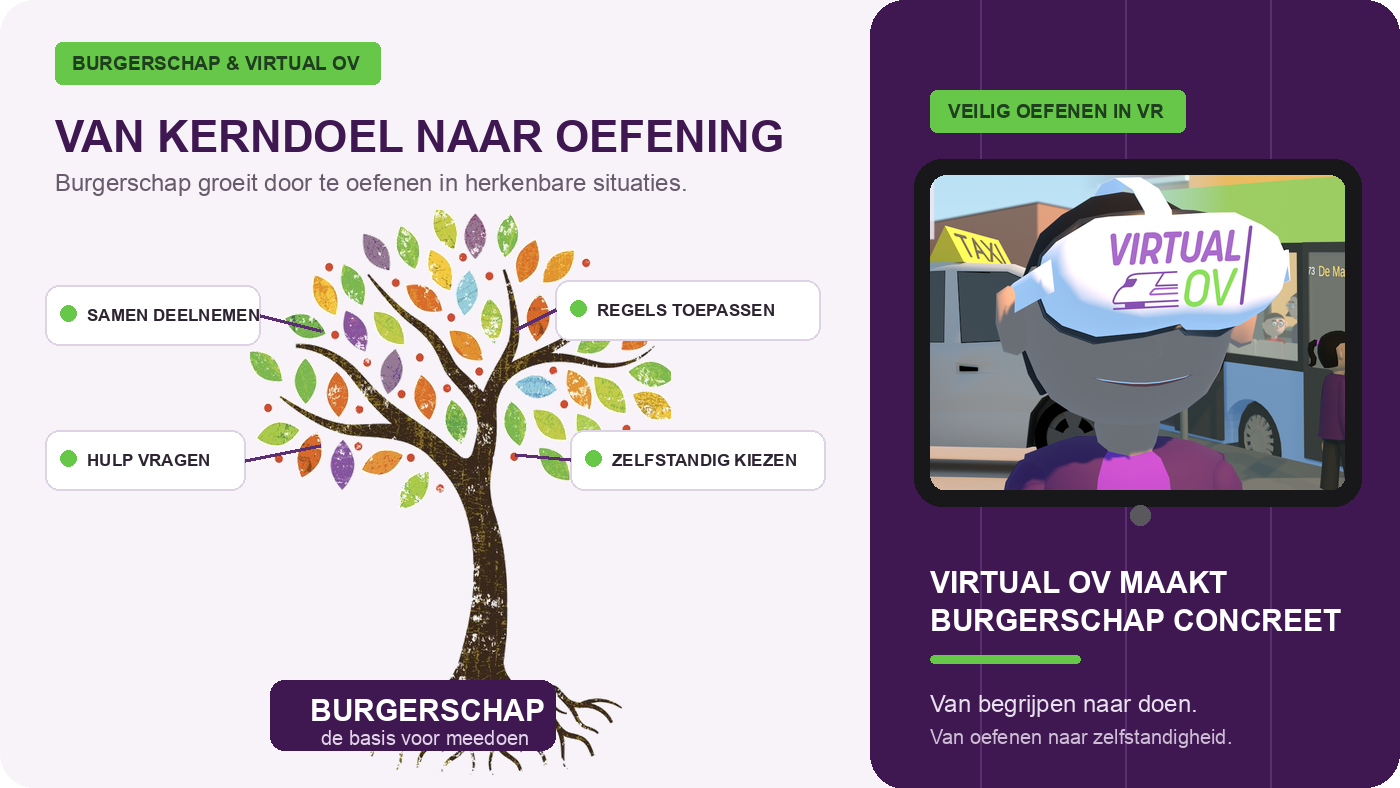
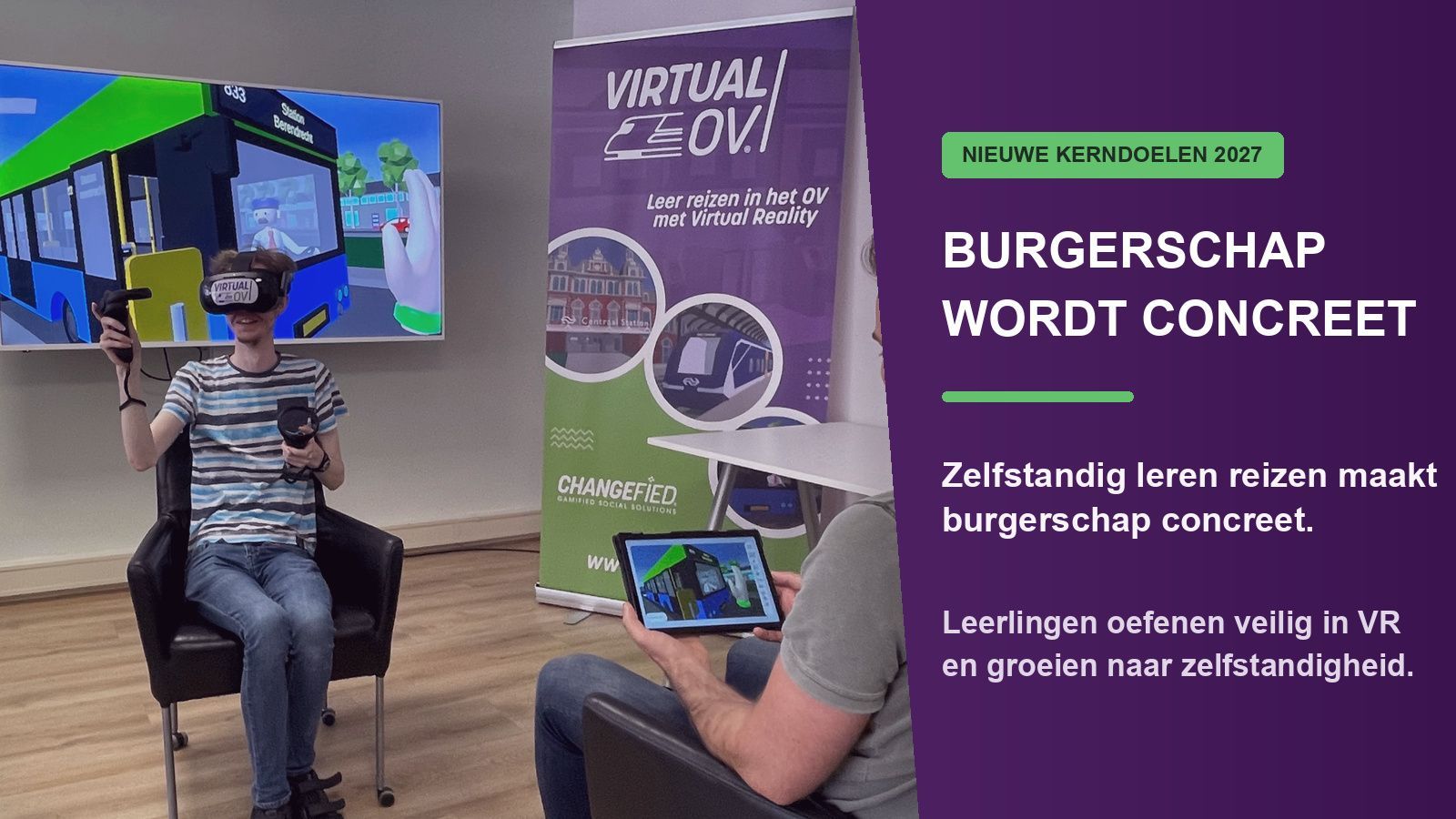
Virtual public transport makes the ambitions outlined in "Getting Started" practical and tangible. Instead of simply discussing self-reliance, students gradually practice realistic public transport situations: boarding and alighting, transferring, handling delays, and requesting assistance from staff or fellow passengers. This way, they build skills and self-confidence, while schools and municipalities gain insight into their progress. This makes Virtual Public Transport not only an educational innovation but also a logical partner for policymakers who want to achieve the goals of the coalition agreement: less reliance on student transport, more autonomy for young people, and a smoother transition to further education, work, or daytime activities.
Working together for an inclusive society
We are pleased that the government's "Aan de slag" (Getting Started) program clearly states its commitment to investing in a more inclusive society. Virtual public transport aligns directly with this: by allowing young people in pre-vocational secondary education (VSO) to practice traveling safely, we increase their freedom of movement, opportunities, and self-esteem. At the same time, it helps schools, municipalities, and provinces allocate resources more effectively and give policy a visible impact on young people's lives. This way, the coalition agreement comes to life not only on paper but also on the bus, train, and platform.
Call to Action
Would you, as a VSO school, municipality, or province, like to give concrete substance to the ambitions outlined in "Getting Started" and work towards genuine self-reliance for young people?
Contact Changefied for a free demo of Virtual Public Transport, a joint exploration of the policy fit with your region, and practical scenarios to get started right away. Together, we're building a more inclusive society where more young people can travel safely, independently, and confidently.