The transition to
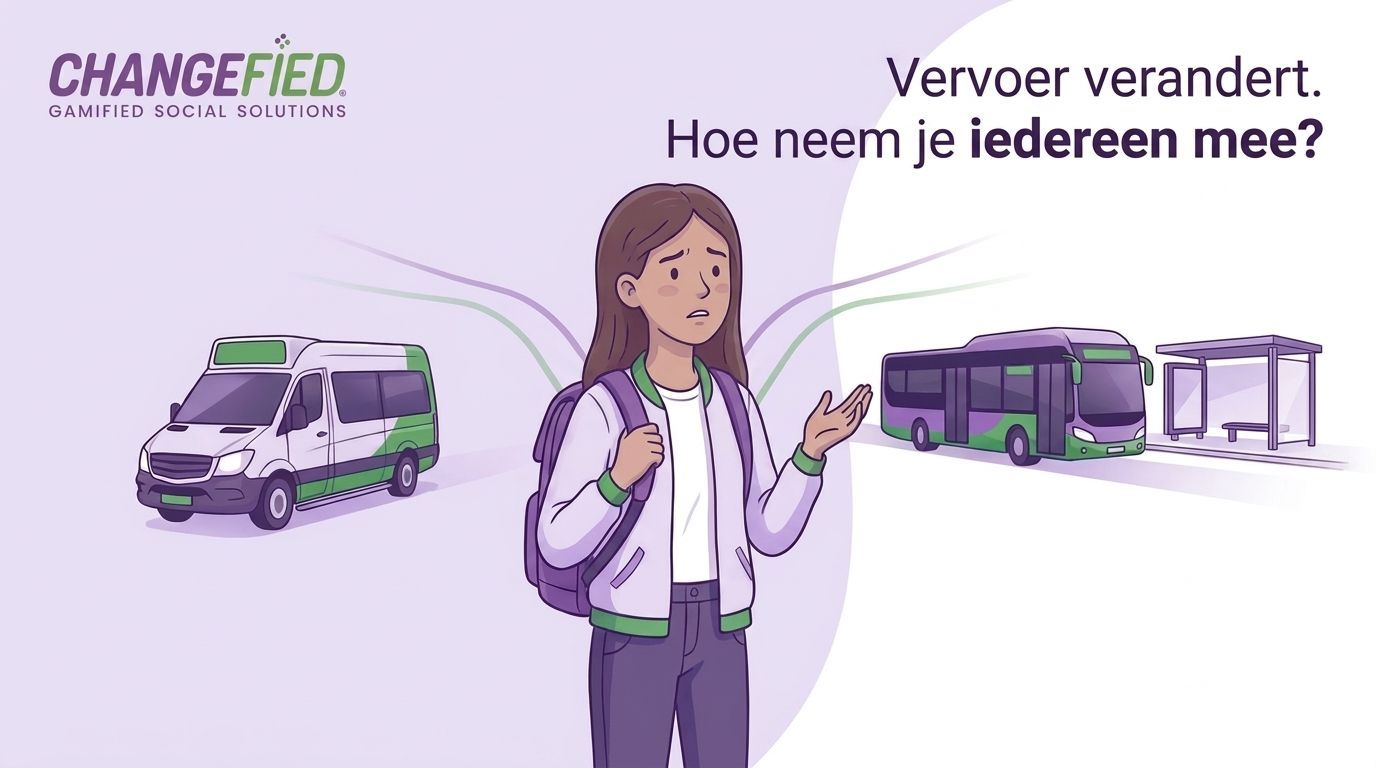
public mobility and demand-driven transport offers opportunities for a more efficient and accessible mobility system. However, for neurodivergent people, such as those with autism or acquired brain injury (ABI), this change presents additional challenges. How can municipalities and provinces ensure that these travelers learn not only how to use flexible transport, but also how to navigate the application process itself? Virtual OV offers an evidence-based solution: a digital learning environment specifically tailored to the needs of neurodivergent travelers, with measurable results for policymakers.
The Challenge: Self-Reliance for Neurodivergent Travelers
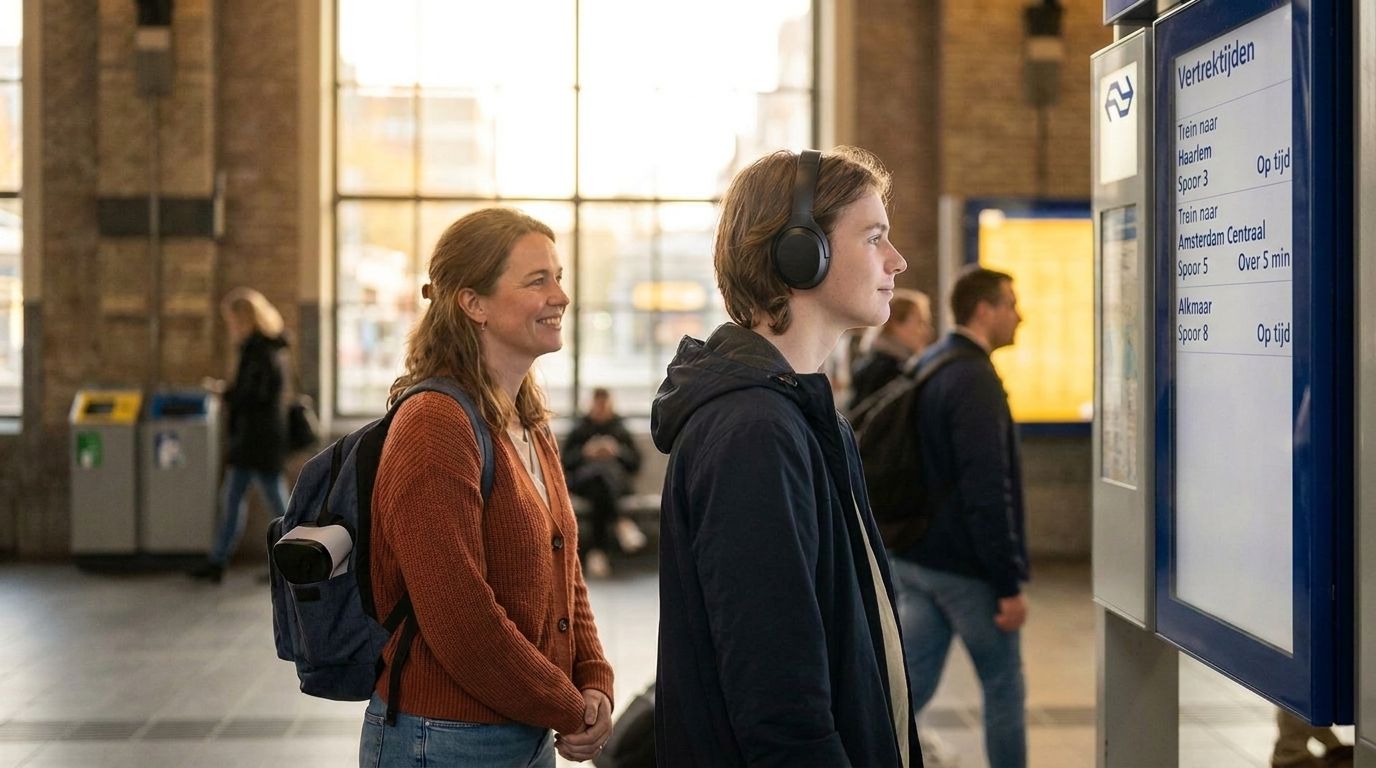
With the advent of demand-driven transport, responsibility shifts to the passenger. This can be particularly stressful for neurodivergent individuals (such as those with autism) and those with acquired brain injury (ABI). They often need more time, structure, and predictability to master new systems. Consider:
- Sensory overload (e.g. sounds, crowded public transport).
- Difficult with unexpected changes (e.g. diversions, delays).
- Complex administrative processes (e.g. digital forms, contact with the municipality).
- Fear of social interactions (e.g. asking fellow travelers or public transport staff for help).
Traditional instruction, such as brochures or one-off explanations, is often insufficient for this target group. They need repeatable, predictable practice environments where they can learn at their own pace.
Virtual public transport as a solution: Specific training for neurodivergent travellers
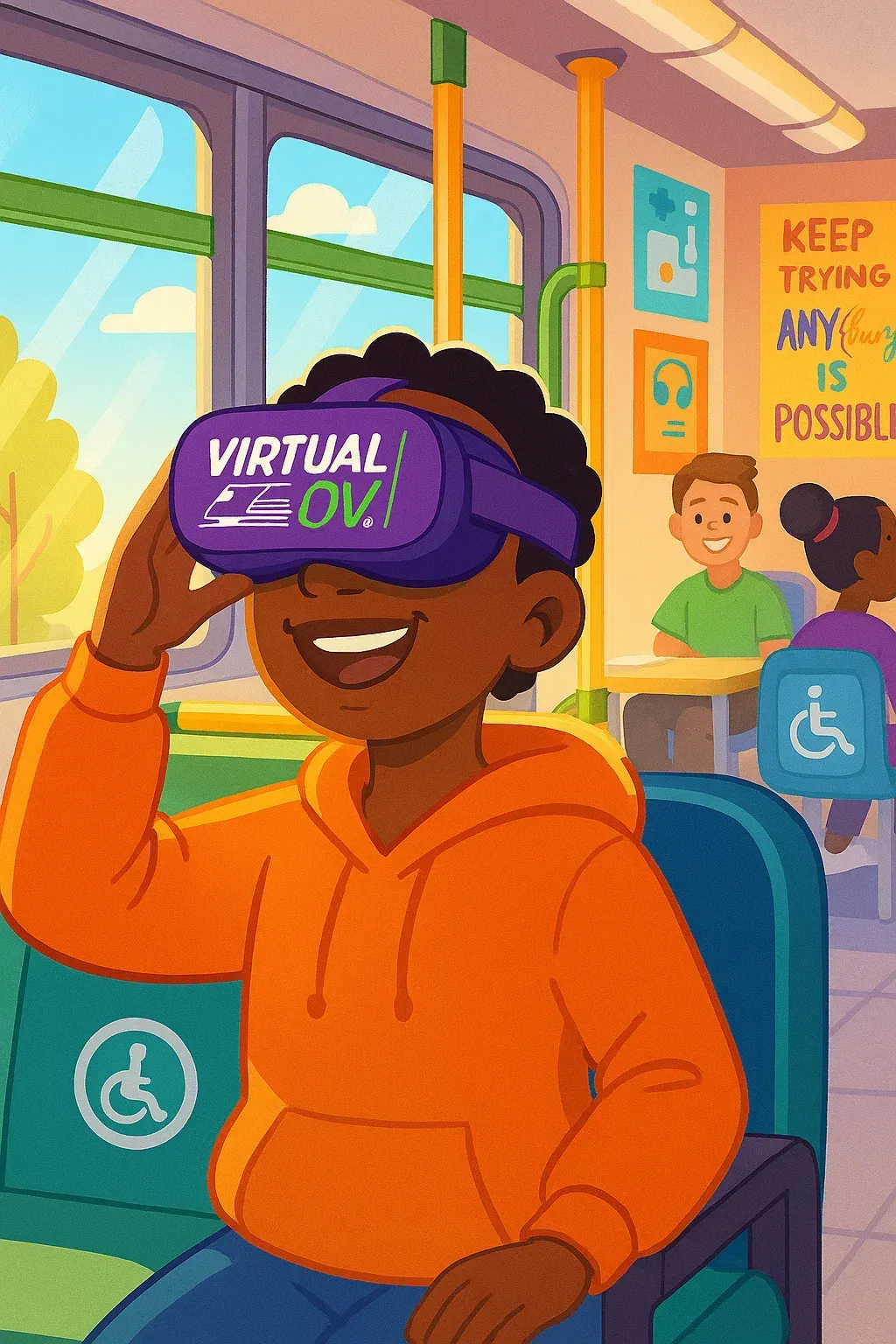
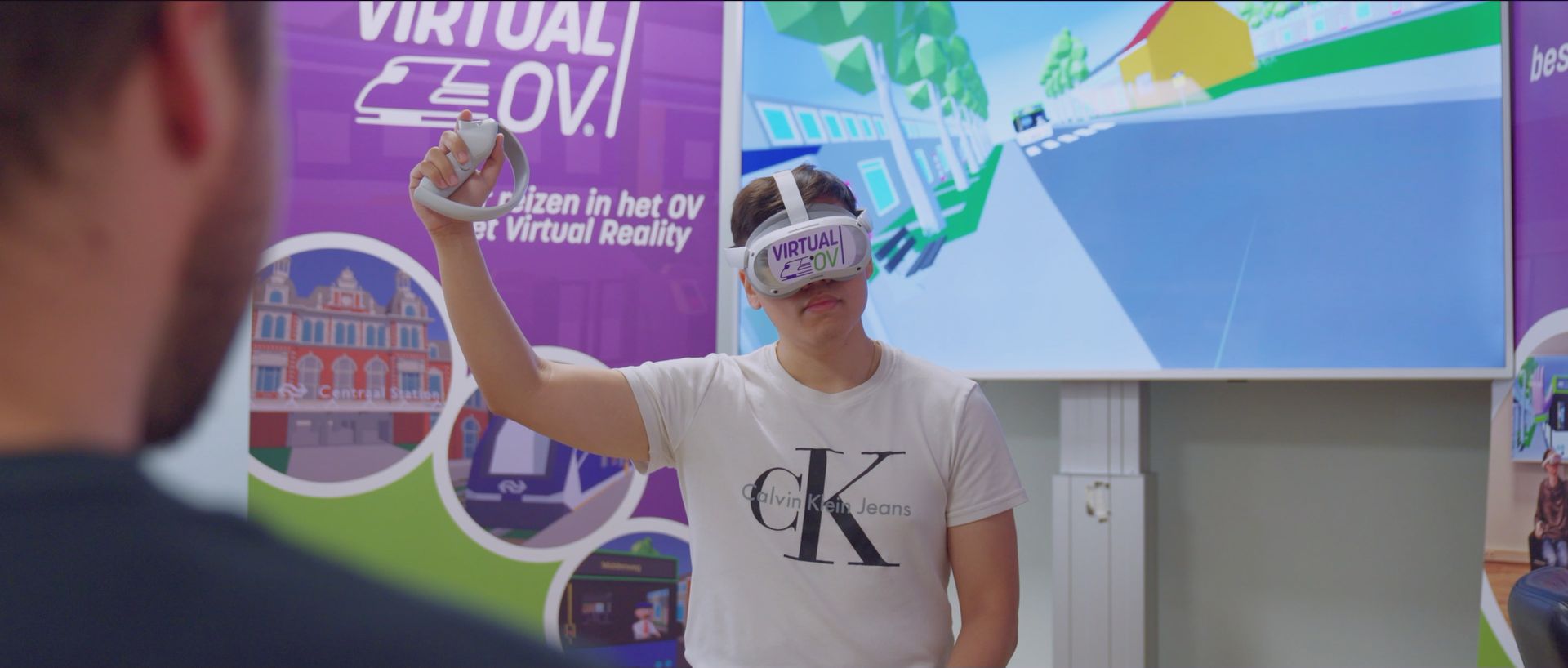
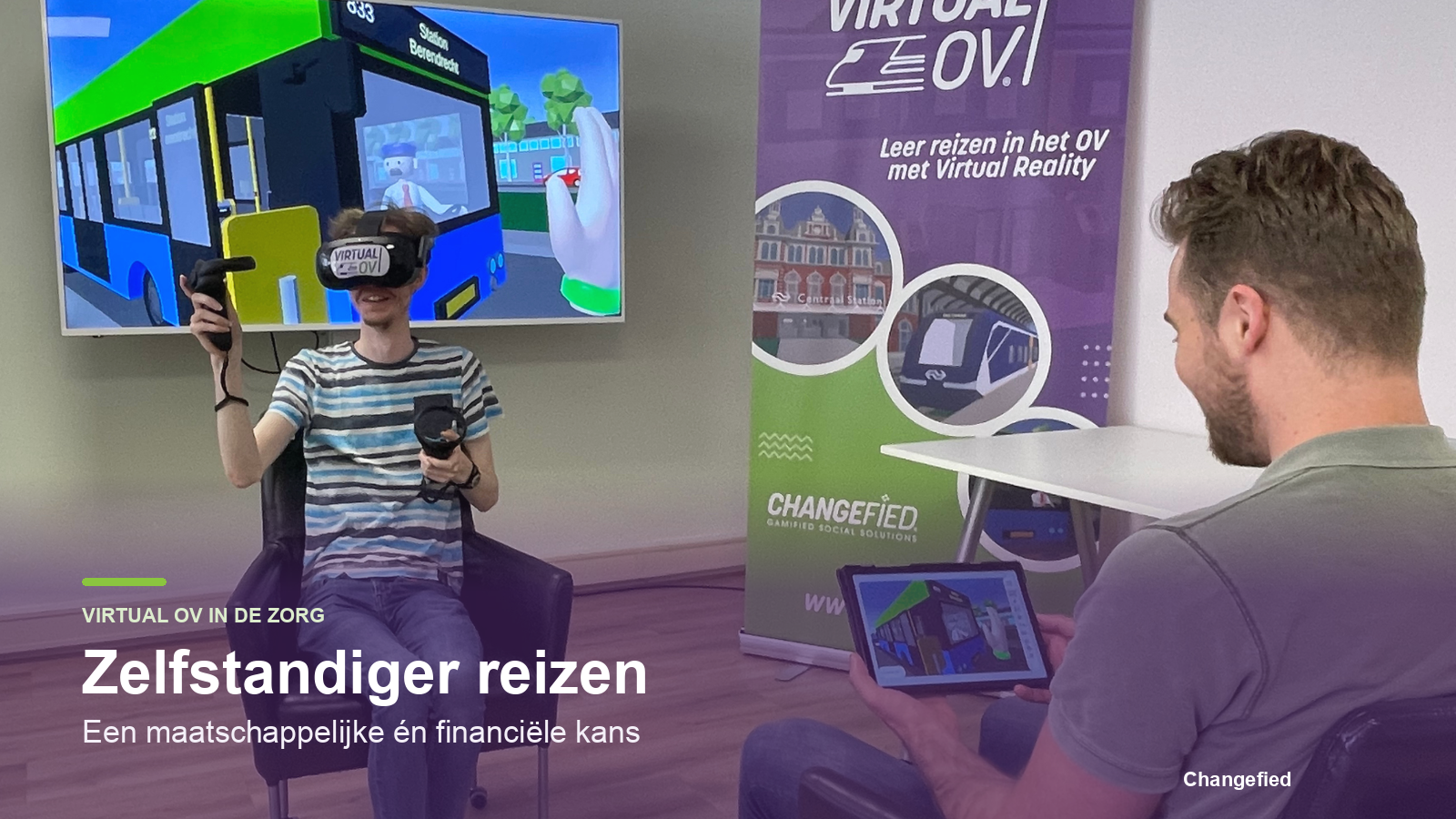
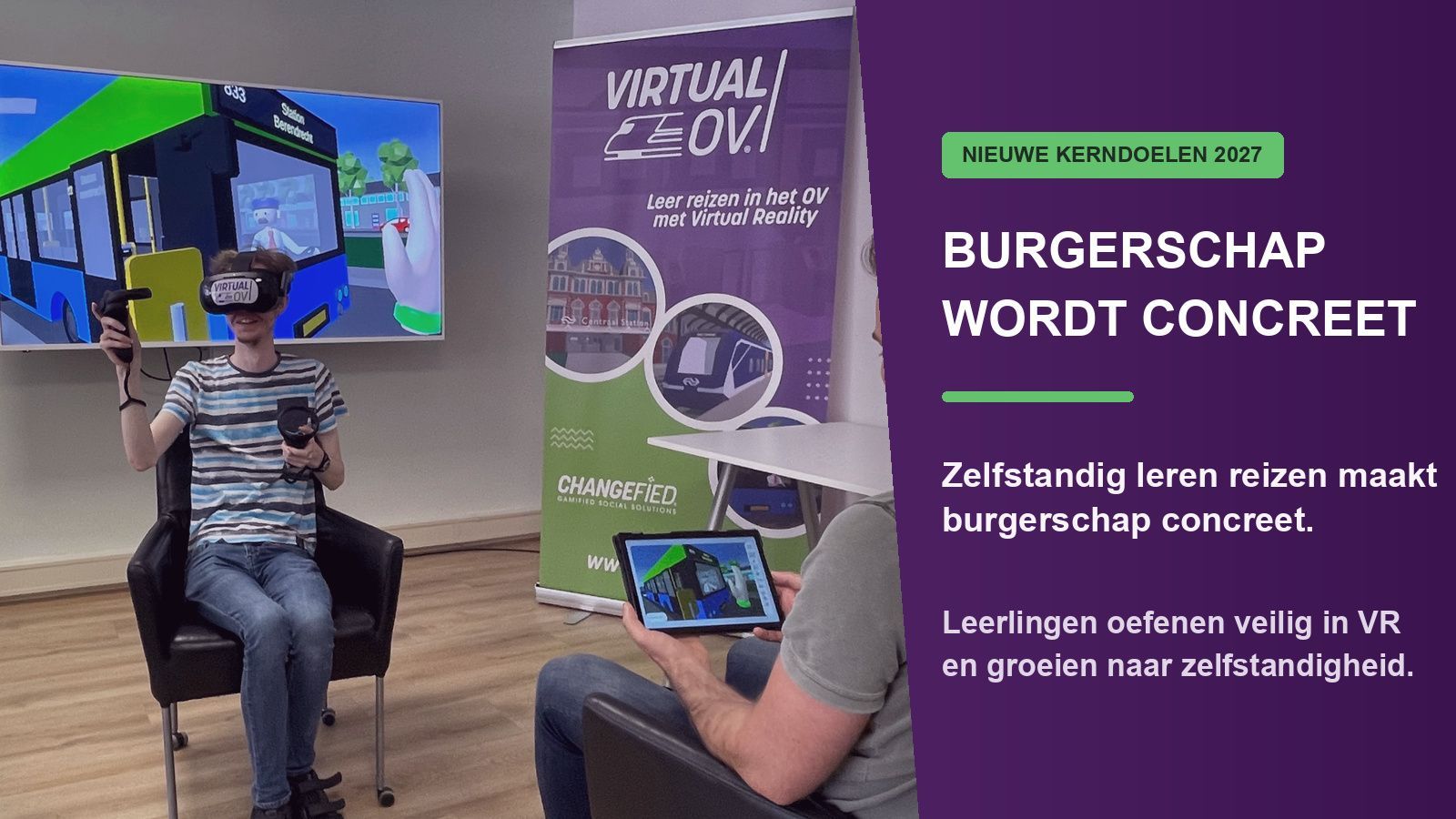
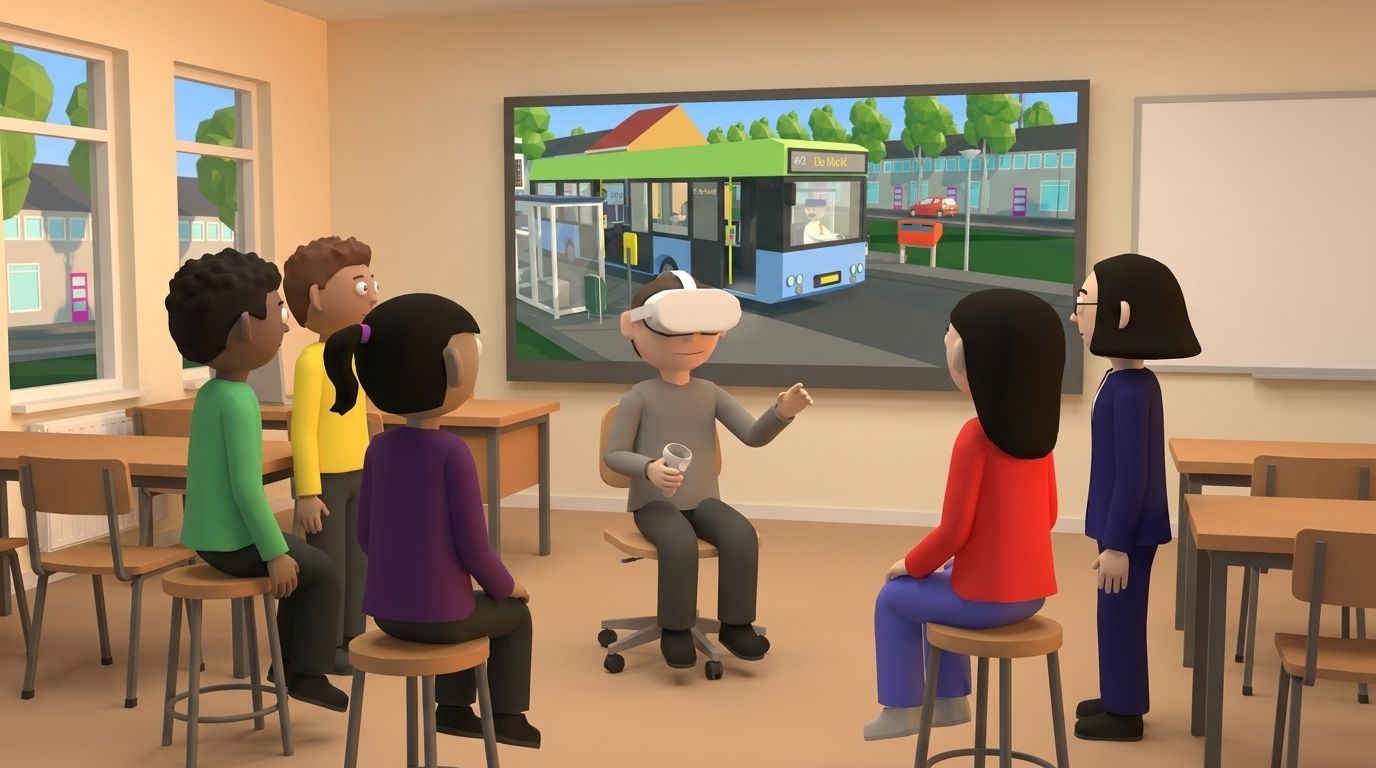
Virtual Public Transport offers a safe, predictable learning environment where neurodivergent travelers can practice with realistic scenarios tailored to their unique needs. Consider:
- Low-stimulus environments: Practicing quiet moments on public transport or recognizing 'quiet zones' on trains and buses.
- Predictable structure: Step-by-step workouts with clear instructions and repeatable exercises.
- Social scripts: Practice asking for help, for example in the event of an unexpected delay or a broken elevator.
- OVpay training: Practice contactless payments so that users can become familiar with new systems without stress.
Research and Future: Evidence-based adaptations for neurodivergent travelers
Changefied actively collaborates with research institutions to validate the effectiveness of virtual public transport for neurodivergent travelers and people with acquired brain injury (ABI). Through pilot projects and measurable projects, we investigate:
- Which specific adjustments in Virtual Public Transport are most effective for neurodivergent travellers and people with acquired brain injury (ABI).
- How we can optimize the module for stimulus-sensitive users.
- How we can use the data to further improve mobility policy, especially for these target groups.
Conclusion: Virtual public transport as an accelerator of inclusive mobility
The transition to demand-driven transport offers opportunities, but also requires an inclusive approach that considers the needs of neurodivergent travellers and people with acquired brain injury (ABI). Virtual public transport helps municipalities and provinces prepare these travellers not only for independent travel but also for managing their own mobility—with measurable results and an evidence-based approach.
With Virtual Public Transport,
we can realize inclusive mobility, enabling everyone—regardless of neurodiversity or disability—to participate fully in society.
Curious how Virtual Public Transport can contribute to your mobility policy?
Would you like to know how Virtual Public Transport can help your municipality transition to demand-driven transport, specifically for neurodivergent travellers and people with acquired brain injury (ABI)?
Together we work on self-reliance and inclusive mobility —
for everyone.