Mobility challenges for interns

Changefied BV

Mobility challenges for interns


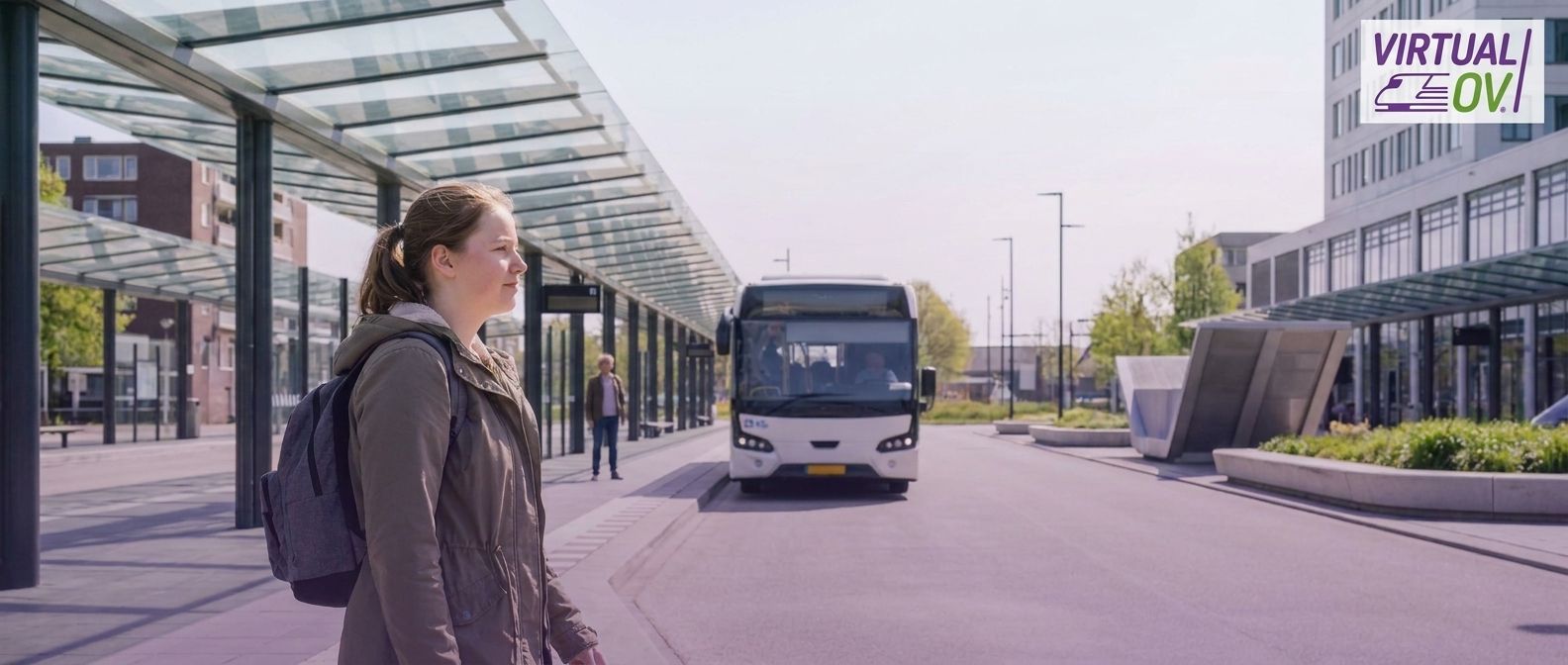
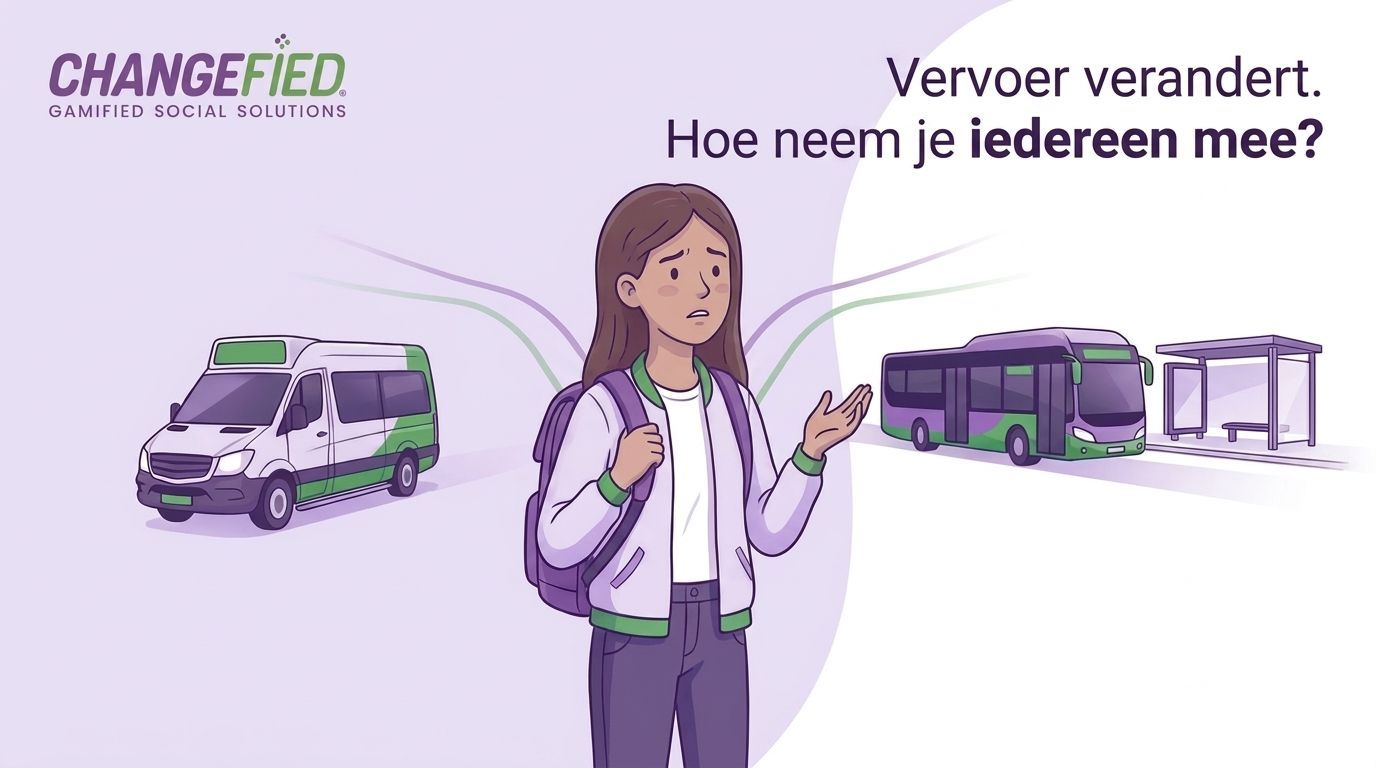
In our conversations with educational institutions, we're increasingly hearing about a growing problem: students who struggle to travel independently on public transport. These limited mobility skills have far-reaching consequences, especially when it comes to internships and students' future careers.


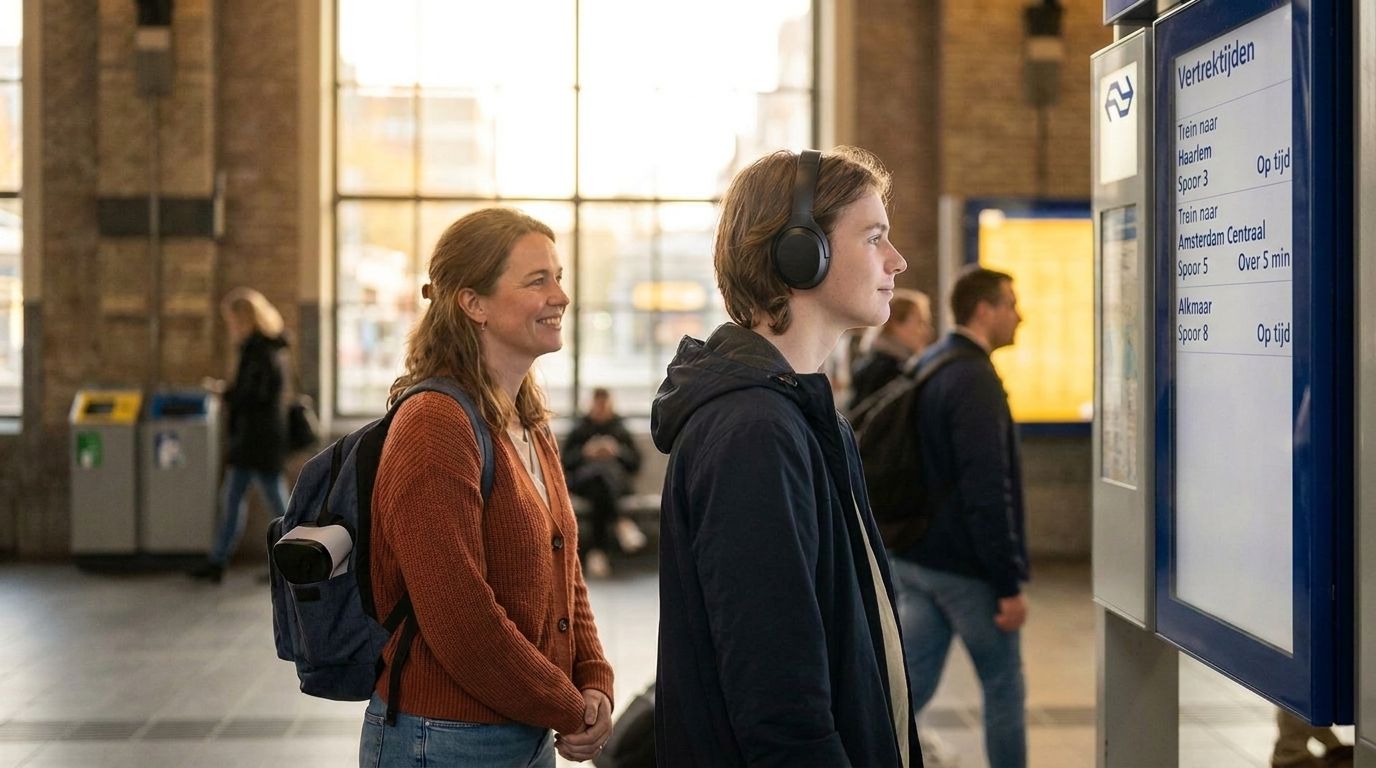
We see that many students are unsure about navigating public transportation. They lack practical skills such as planning routes, understanding timetables, or estimating travel times. This not only limits their internship opportunities but also their personal development and future prospects.


Technological Innovation as a Solution

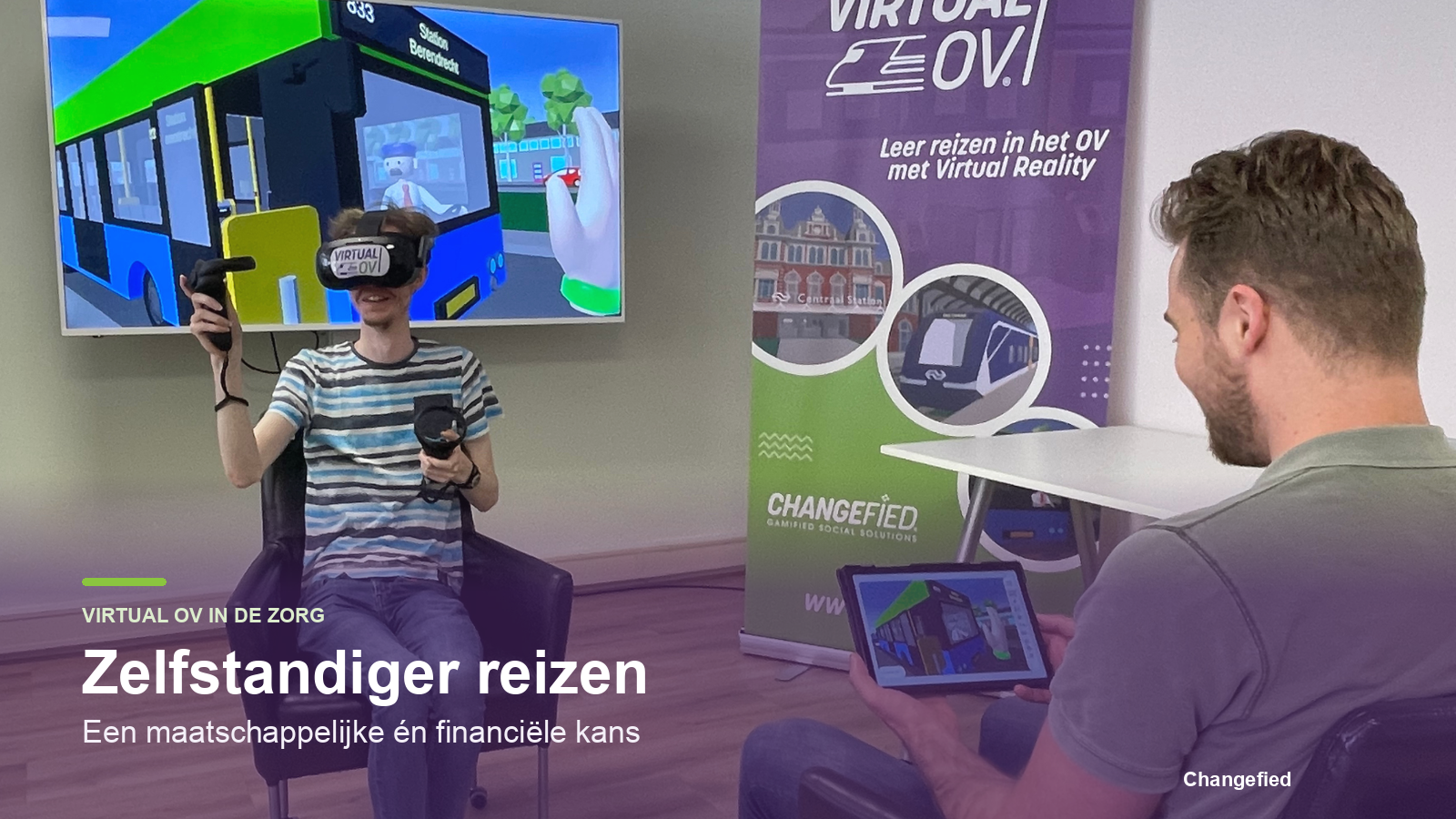
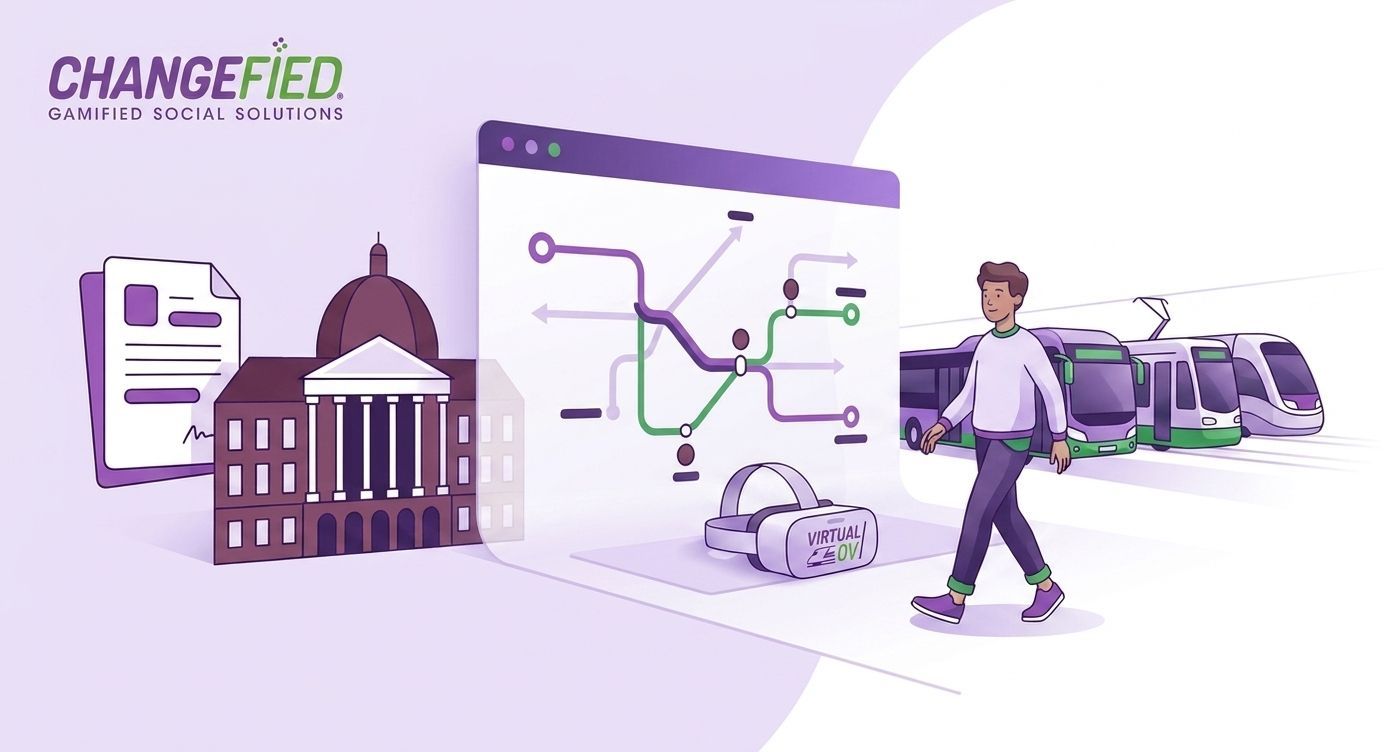
As developers of educational technology, we asked ourselves: How can we address this problem? The result of our research and development is Virtual OV, an innovative VR platform that helps students develop practical travel skills in a safe, virtual environment.


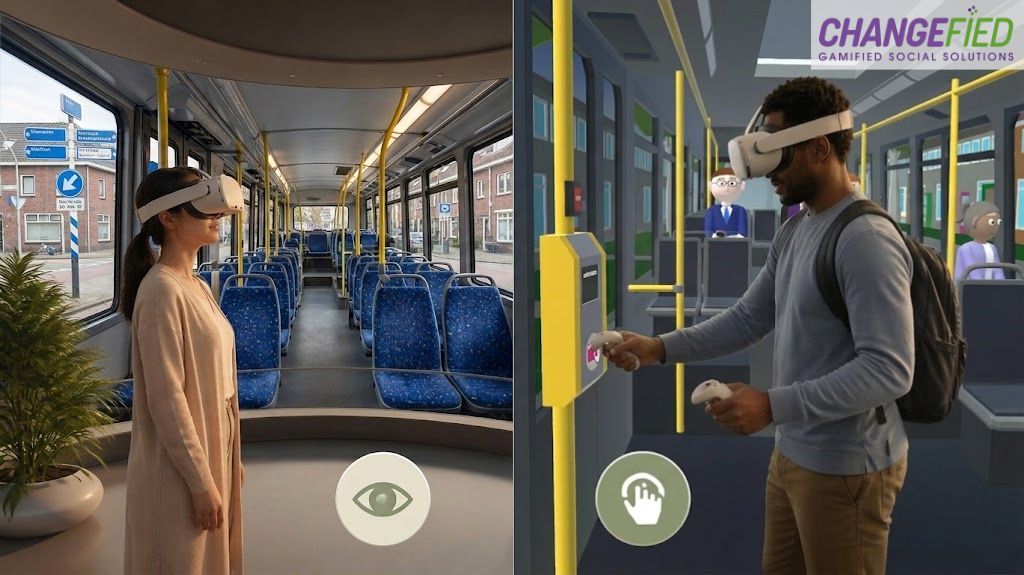
Virtual Public Transport offers a realistic simulation of public transport scenarios. Students can practice buying tickets, getting on and off the bus, and even handling unexpected situations. The best part is that they can do all this at their own pace, without the stress of a real-life public transport situation.


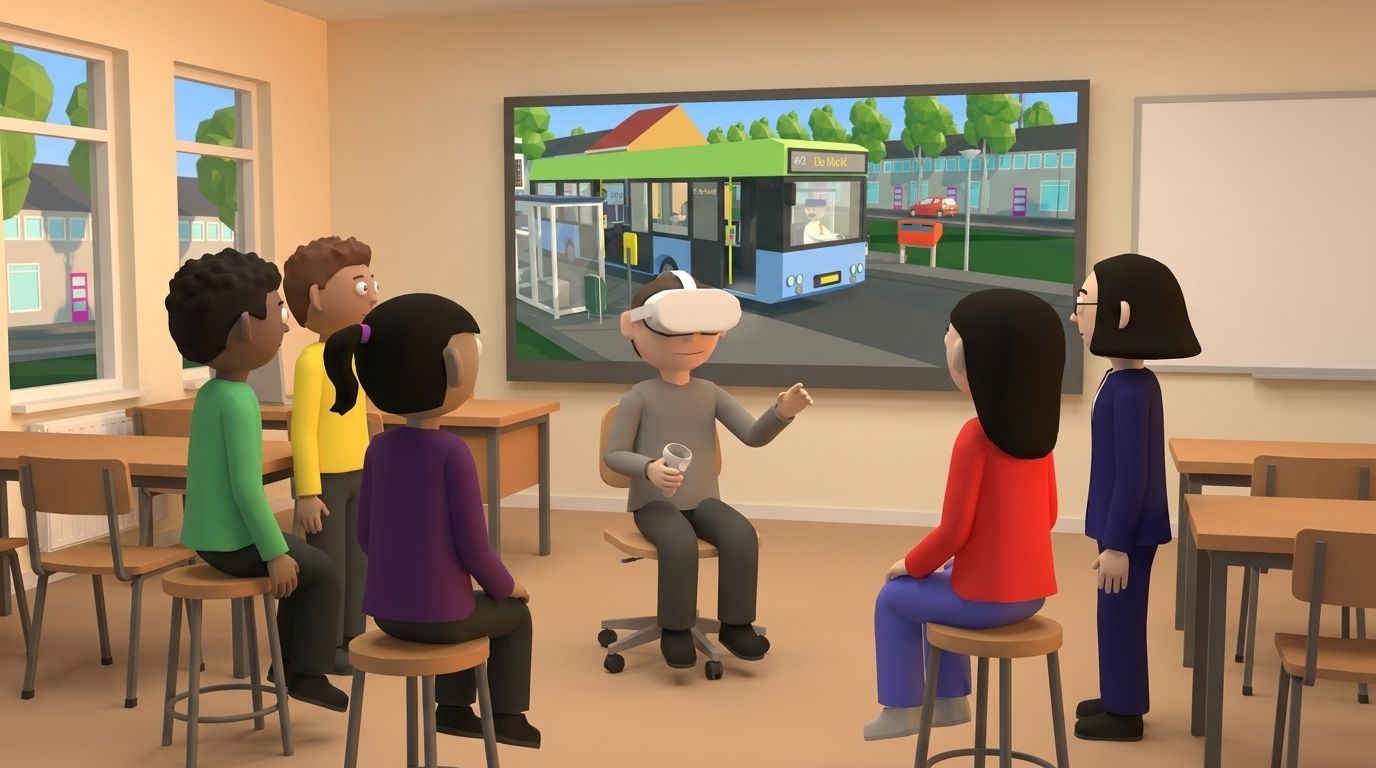
Of course, Virtual Public Transport isn't a standalone solution. It works best as part of a broader educational program. We encourage schools to integrate it into lessons on self-reliance or career orientation. Workshops where students can practice together have also proven very effective.


The Future of Mobility Training

As developers, we strongly believe in the power of technology to improve lives. With Virtual OV, we aim to support education professionals in their mission to prepare students for a successful future. By deploying this innovative tool, we can work together to create a generation of students who can confidently face the world.


We're curious to hear your thoughts and experiences. How do you see the role of technology in overcoming students' travel anxiety? Let's explore together how we can use virtual public transport to help every student reach their full potential.


by Tim van Dam February 24, 2026
How Virtual Public Transport Trains Social Interaction
by Tim van Dam February 16, 2026
The coalition agreement "Getting started" with self-reliance
by Tim van Dam February 3, 2026
Why VR Harnesses Attention Span and Makes Knowledge Stick!
inclusive mobility and training for independent travel by public transport for people with autism and NAH
by Tim van Dam January 14, 2026
Demand-driven transportation offers opportunities for neurodivergent travelers. Discover how virtual reality helps with safe, independent, and stress-free travel.
Making mistakes in Virtual OV
by Tim van Dam December 18, 2025
In Virtual Public Transport, young people are allowed to make mistakes in a safe VR environment. This way, they gradually learn to travel independently and grow in self-confidence.
Participants receive Virtu
by Tim van Dam December 14, 2025
Provincial Executive Member Jeroen Olthof experiences Virtual Public Transport at Heliomare: how VR training helps students in special education travel independently by bus and train.
Changefied in Rabo & Co Magazine
by Tim van+Dam December 3, 2025
Changefied in Rabo&Co magazine
Learning in VR
by Tim van+Dam November 24, 2025
Learning to travel in virtual reality? That's not necessary at all; you can just learn it in real life, right?
Young person in a classroom wearing VR glasses, learning to travel via the Virtual OV platform
November 13, 2025
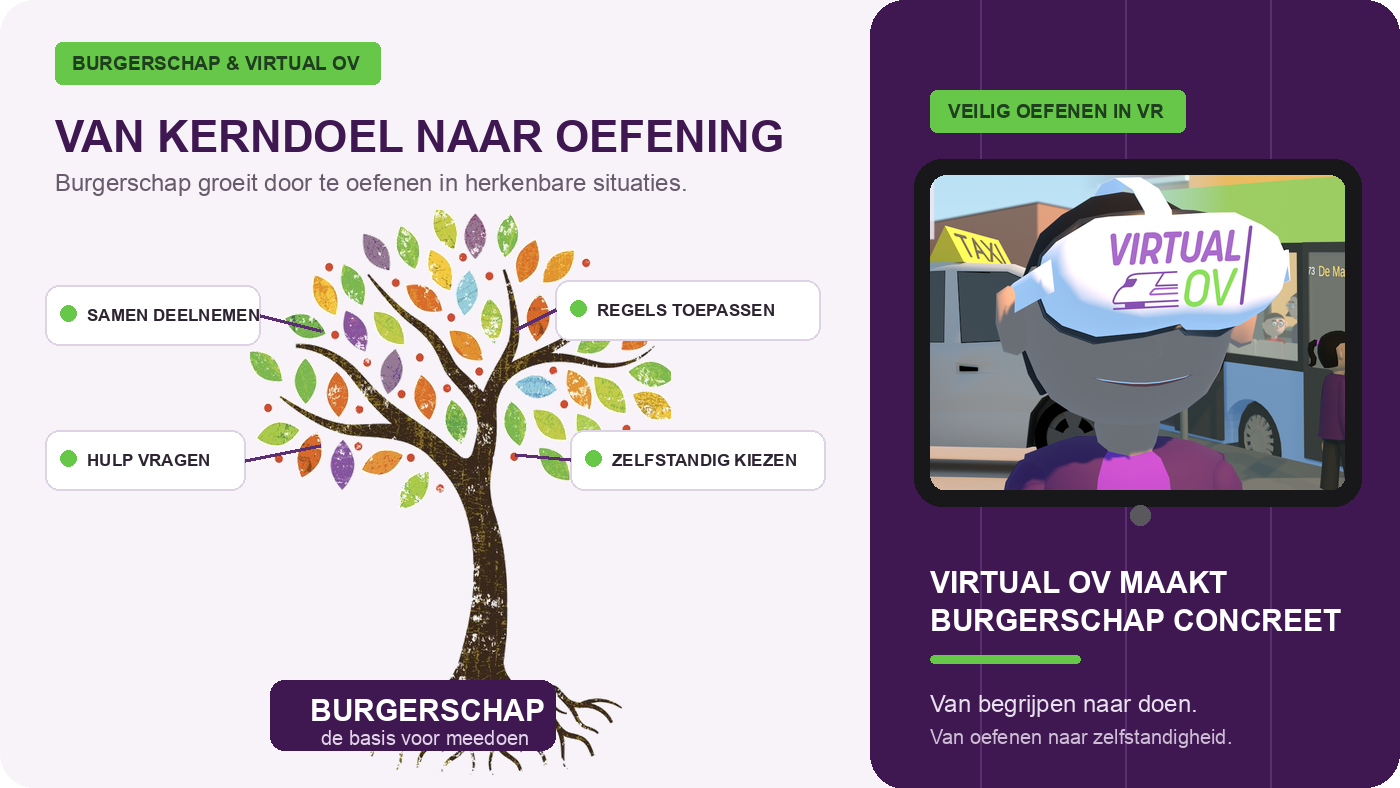
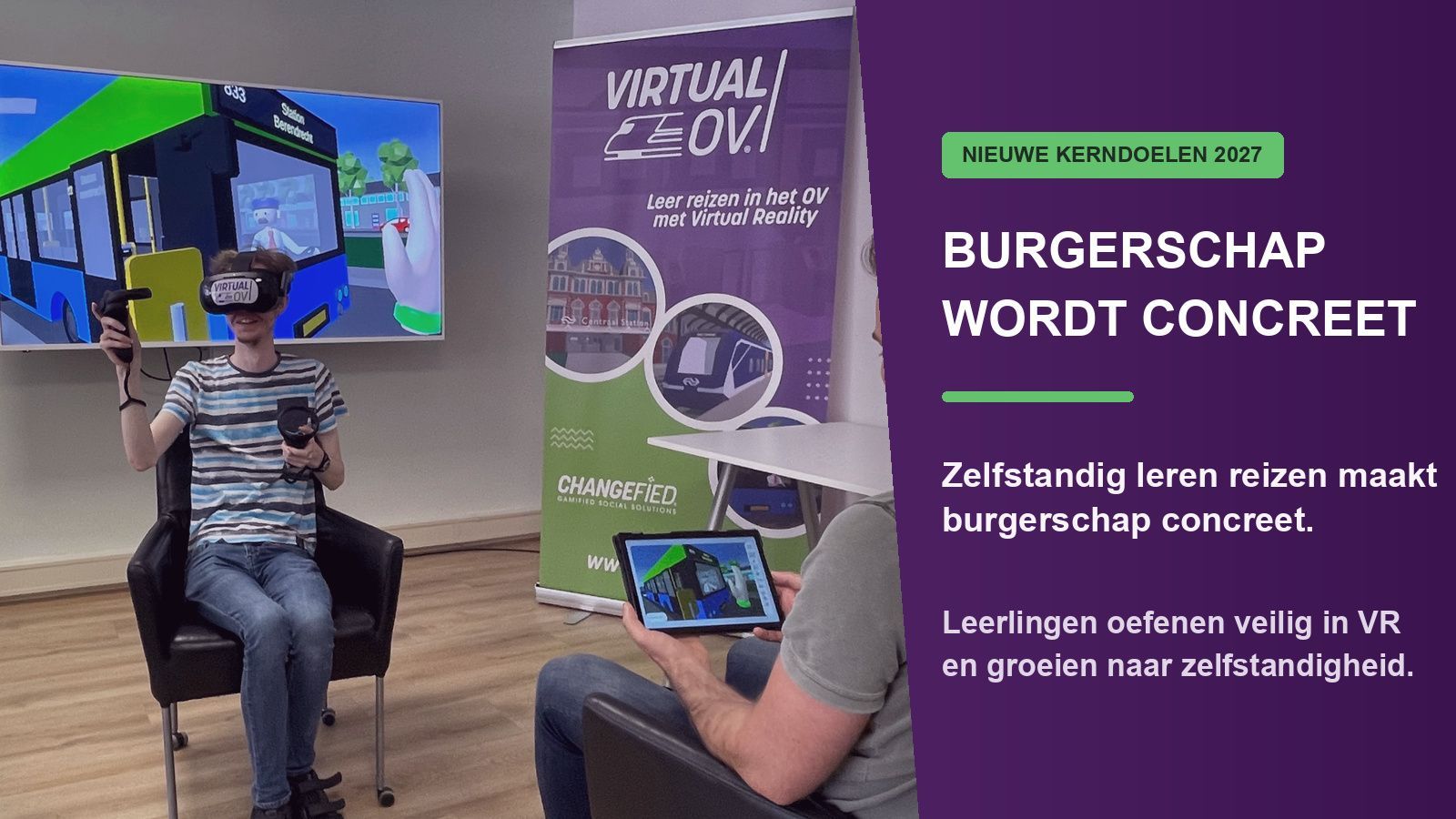
Discover how Virtual Public Transport connects with core objectives and curricula of secondary education, helps learn to travel independently and contributes to self-reliance and social participation
Boy with VR glasses trains in Virtual Reality to travel independently on public transport
by Tim van+Dam October 19, 2025
Discover how Virtual Public Transport helps neurodivergent young people, such as those with autism, develop travel skills by strengthening procedural memory.
Show More