We are receiving this response more and more often.
It is precisely this comment that prompted us to explain for whom VR travel training is essential, and why “just doing it” simply doesn’t work for a large group.
Why this question comes up so often
Many people still see VR as a fun gadget, not a serious learning tool. Especially with something as seemingly mundane as travel, the reflex is: "Didn't we learn that when we were younger?"
At the same time, the use of VR is growing in complex and stressful domains such as healthcare, aviation, and high-risk professions, as it helps facilitate safe practice and reduces fear of failure. These same principles apply directly to learning to travel, but this isn't yet a given for the outside world.
Why learning to travel in VR makes sense
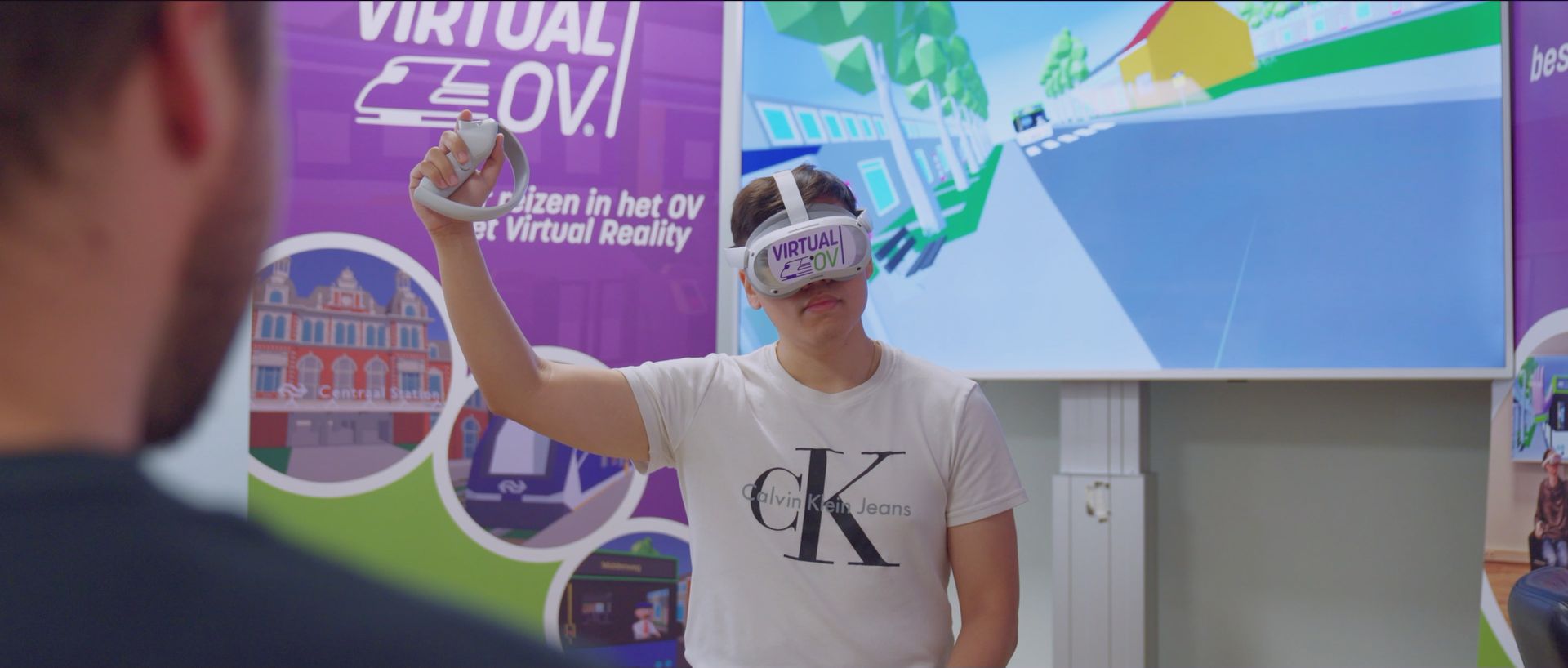
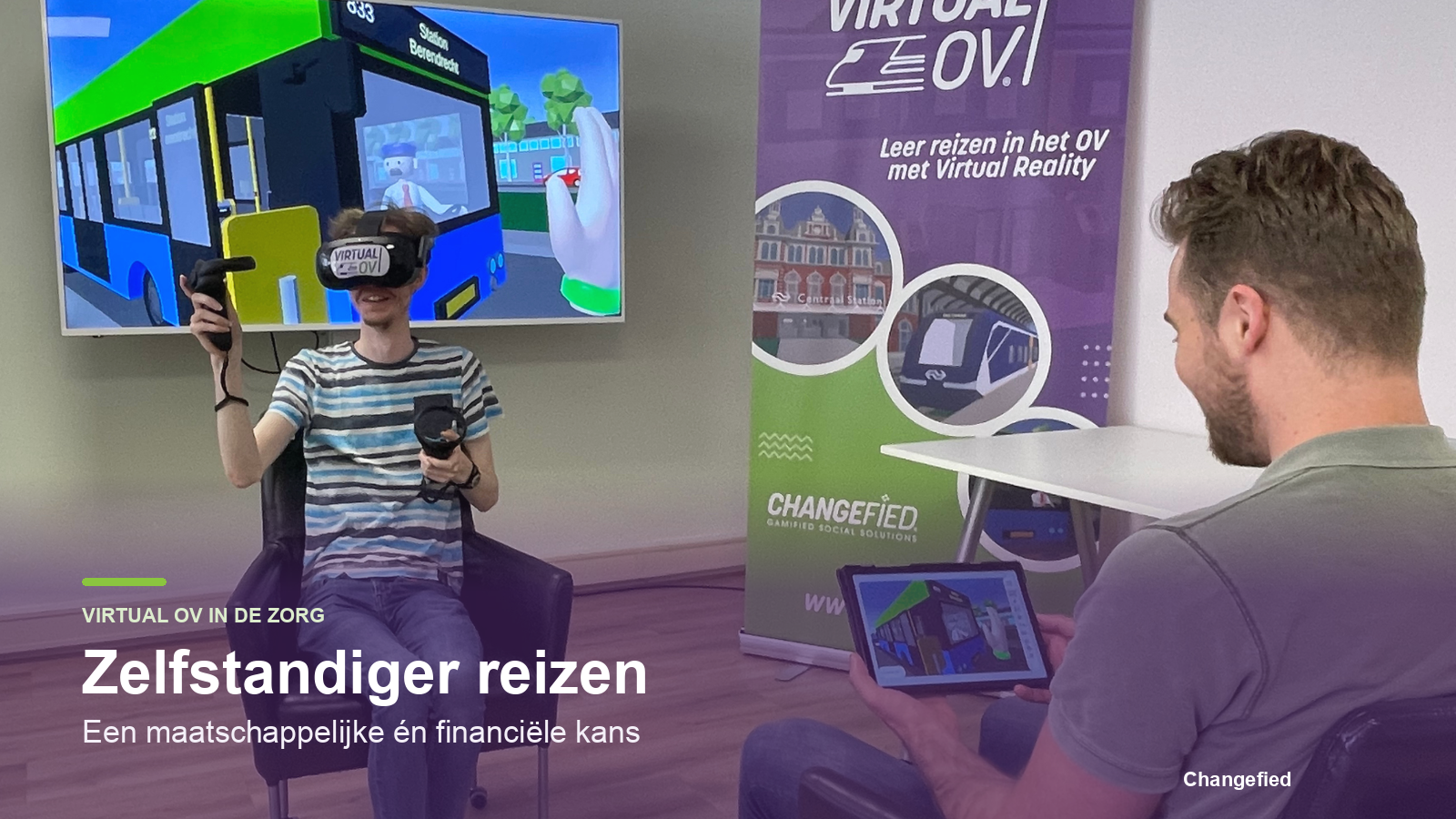
Learning to travel in virtual reality isn't a gimmick, but a powerful solution for specific target groups who struggle with anxiety, stimuli, or complexity in real life. For these people, "just doing it" isn't an option, while VR offers a safe transition toward independent, relaxed travel.
For many people, traveling isn't a neutral activity but a source of stress, loss of autonomy, or even panic. Think of crowded airports, unfamiliar environments, language barriers, delays, and unexpected situations that constantly require decisions.
Traditional information (brochures, videos, and brief explanations) remains primarily cognitive: people know what to do, but their bodies still react with tension when they actually set off. VR adds a lifelike yet controllable experience, allowing people to practice step by step with the same stimuli as in real life, without the risks and costs of a failed trip.
Target groups for whom VR is necessary
For many travelers, additional explanation is sufficient, but there's a growing group for whom that doesn't work. For them, VR isn't a "nice to have," but often the only realistic way to actually practice travel skills.
Key target groups include:
- For people with a fear of flying or general travel anxiety, VR exposure helps reduce fear and avoidance, allowing them to gradually dare to travel again.
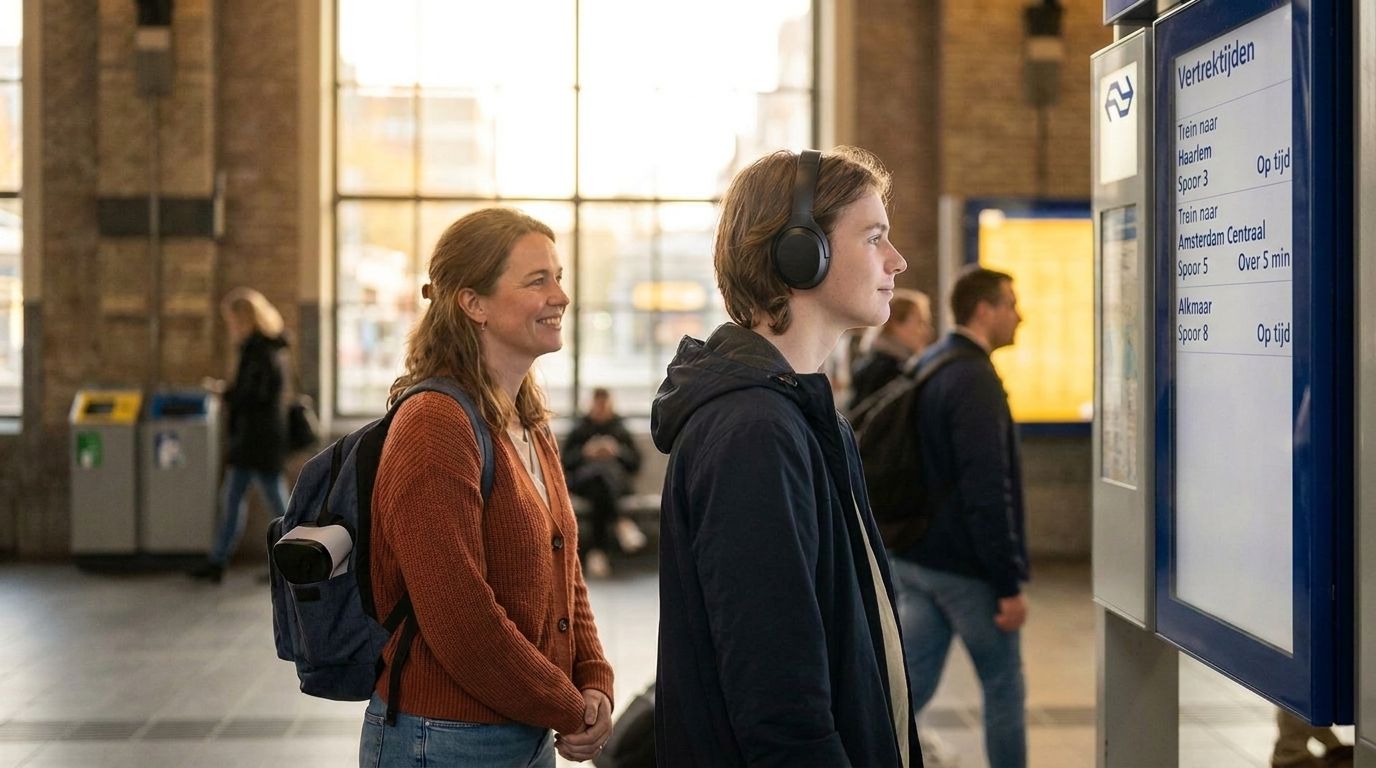
- People with autism or sensory sensitivity: predictability, repeatability and the ability to "test run" a complete travel route (station, security, boarding) reduce stress and increase self-reliance.
- People with cognitive disabilities or limited executive functions: in VR they can practice complex steps (tickets, transfers, reading signs) over and over again until the sequence and environment feel familiar.
- Young or inexperienced travelers: VR offers a safe training ground for, for example, traveling solo on public transport or by plane for the first time, including social situations and potential problem situations.
What VR adds above traditional training
VR combines knowledge, experience, and emotion in a single learning environment. This makes it particularly effective for behaviors that are rarely practiced safely or affordably in real life.
Key benefits:
- Safe failure: someone can get lost, miss a connection, or experience a moment of panic without it costing money, time, or safety.
- Full control over difficulty: sounds, crowds, time pressure, weather or unexpected events can be built up gradually.
- Repeatability and speed: scenarios can be repeated indefinitely, allowing skills to be learned faster than with occasional “real” practice sessions.
- Measuring is knowing: behavior, choices and stress responses can be objectively monitored, so that guidance can be provided in a targeted manner.
VR is already being used successfully in the hospitality and travel industries to train employees faster, practice customer contact, and simulate complex situations. Organizations are seeing faster learning curves, improved knowledge retention, and increased confidence. These same principles work just as well for travelers themselves.
From “unnecessary luxury” to inclusive travel
Those who travel effortlessly quickly see VR as unnecessary. But for people who are currently staying home, postponing travel, or completely dependent on support, a virtual transition often makes the difference between participating or not.
Learning to travel in VR is therefore not a technology for the sake of technology, but a means to:
- Demonstrably lowering fear and barriers.
- To increase independence and self-confidence before someone makes the actual journey.
- Making travel more accessible for groups that are currently structurally sidelined.
That is exactly what inclusive mobility is about: not focusing on the average traveller, but on the traveller who is currently unable to make it – and it is precisely for this group that Virtual Reality makes the difference.
Do you recognize people in your organization for whom travel is currently too much of a hurdle – clients, students, employees, or residents? And would you like to explore how VR travel training can help them gradually build their independence and self-confidence?
Feel free to contact us for a free demo or an on-site inspirational session. Together, we'll explore which routes, scenarios, and target groups will yield the most benefits in your context, and how we can make travel a feasible step instead of an insurmountable hurdle.