During the summer holidays, municipalities, transport providers, and schools prepare student transport for the new school year. Routes are planned, taxi rides are assigned, and parents receive clarity regarding their child's transport.
For many students, this transport is indispensable. Student transport ensures that they can travel to school safely and reliably. Especially for students in special education or young people who have difficulty planning, navigating, or dealing with unexpected situations, adapted transport can be an important prerequisite for attending school.
At the same time, preparing for the new school year is also a good moment to ask a broader question.
Helpen we jongeren alleen om van A naar B te komen of helpen we ze ook stap voor stap zelfstandiger te reizen?
Student transport is necessary, but sometimes also a starting point
For some students, adapted transport remains necessary. We must be careful and realistic about this. However, there is also a group of young people who, with the right preparation, guidance, and practice, might be capable of more than we initially think.
Learning to travel independently is not just about knowing which bus to take. It is about daring to get on board. About dealing with crowds. About knowing what to do when a train is delayed. About daring to ask for help. About building trust in situations that can be stressful, complex, or unpredictable in real life.
That is precisely where an opportunity lies for municipalities, Wmo advisors, student transport advisors, and mobility advisors.
From transport demand to development demand
Student transport is often organized as a service. This is logical, as the trip needs to be arranged. However, for some students, it can also be a path of development. Not overnight. Not without guidance. But certainly step by step.
The preparation for the new school year is therefore a logical moment to look, together with schools and parents, at which students might be able to grow towards more independent travel. Not by simply letting them loose on public transport, but by practicing safely, repeating situations, and building confidence before taking the step outside.
This changes the question from: which taxi runs when?
To: which student can take a step towards independent mobility with the right support?
Practice safely with public transport
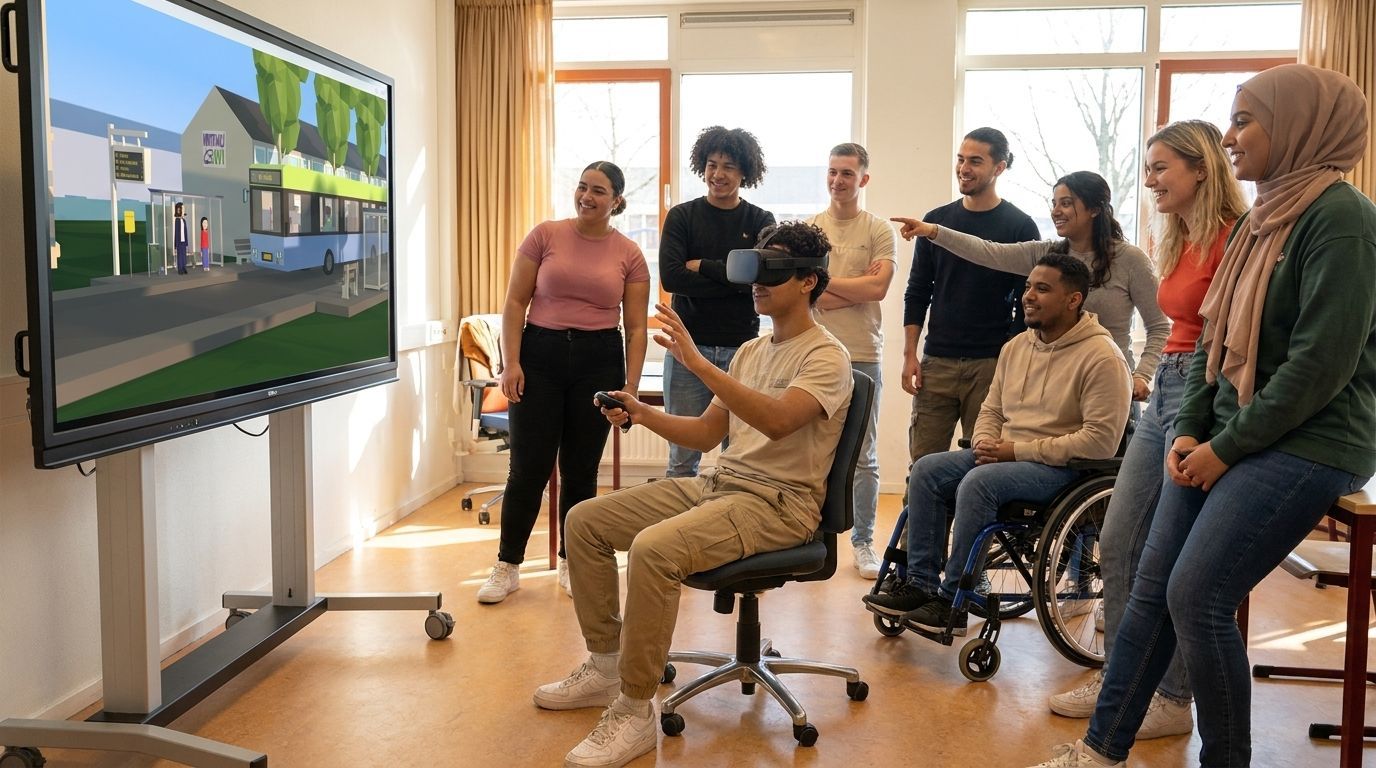
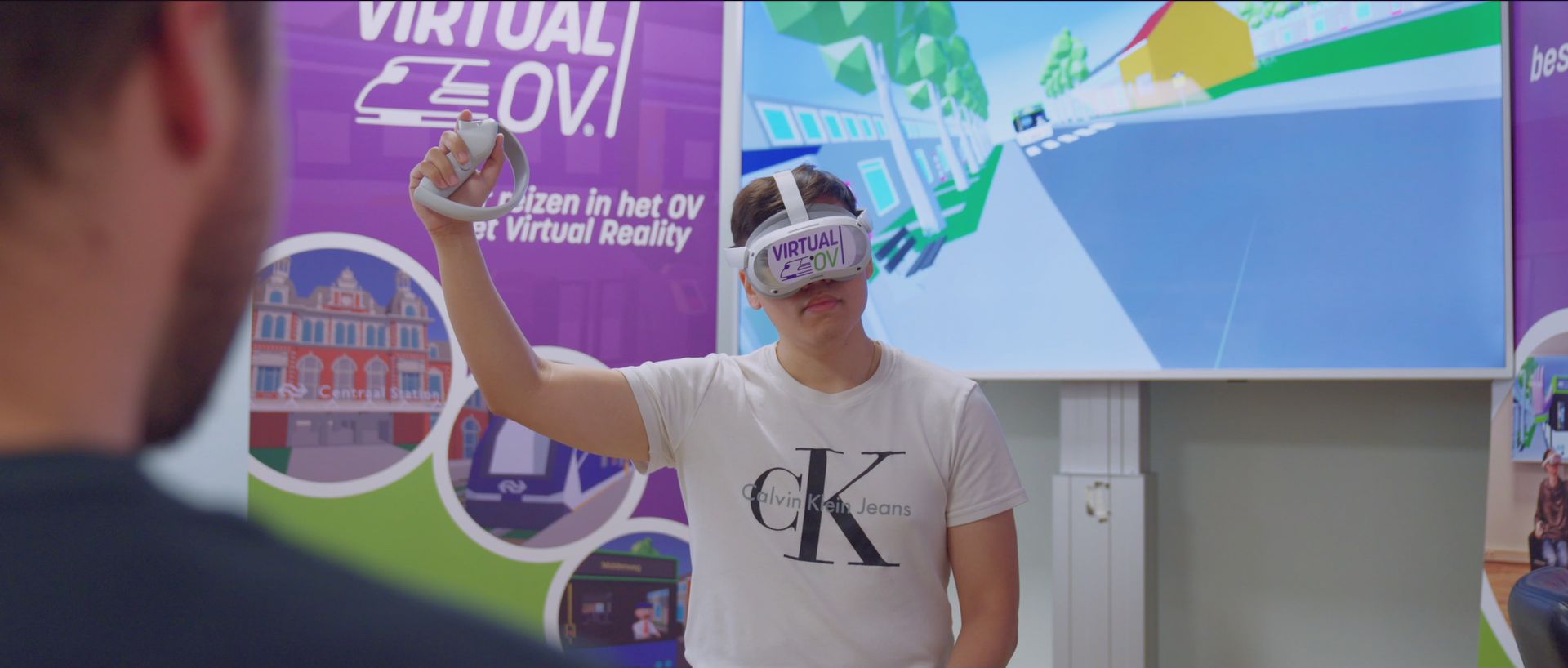
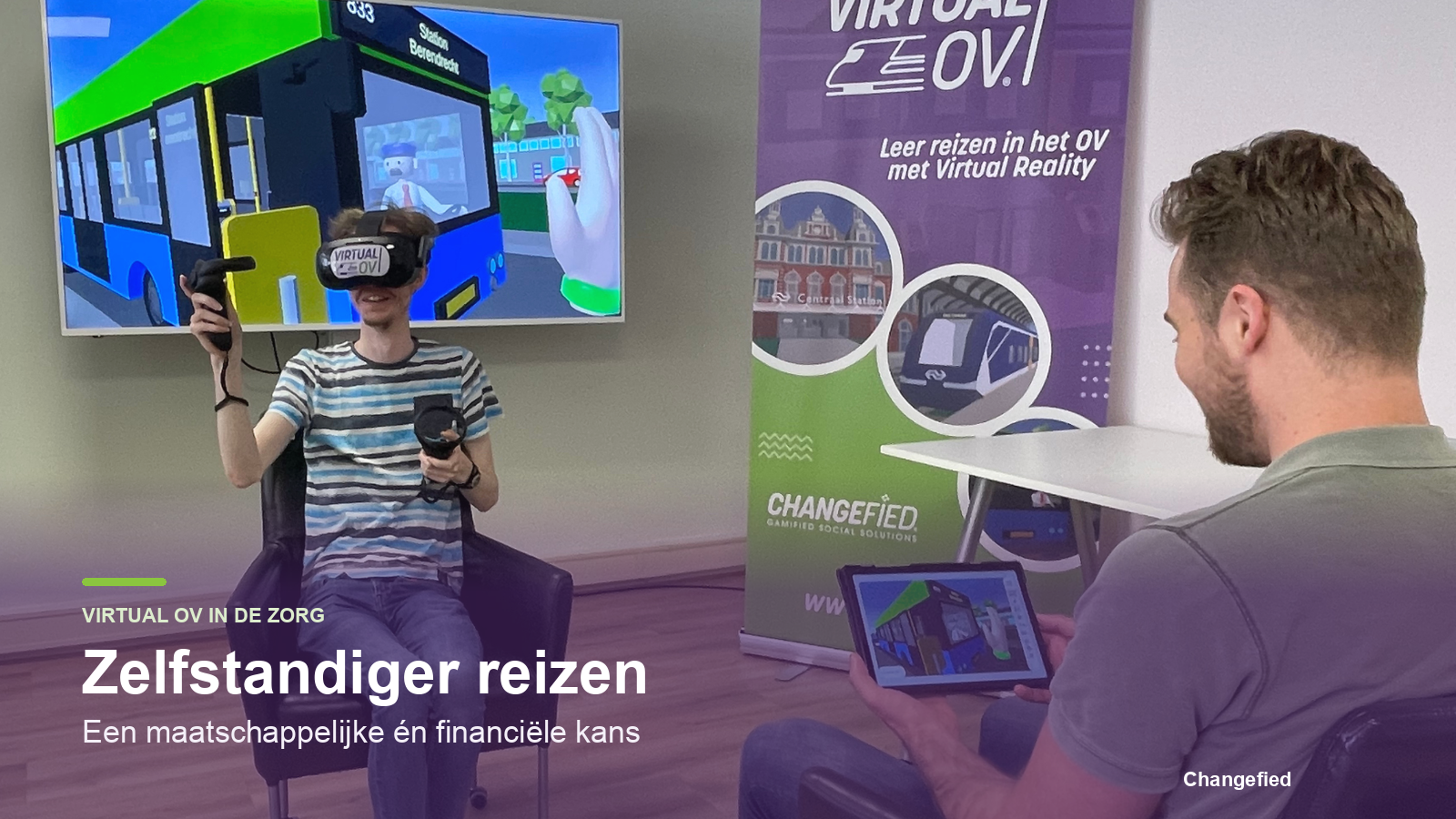
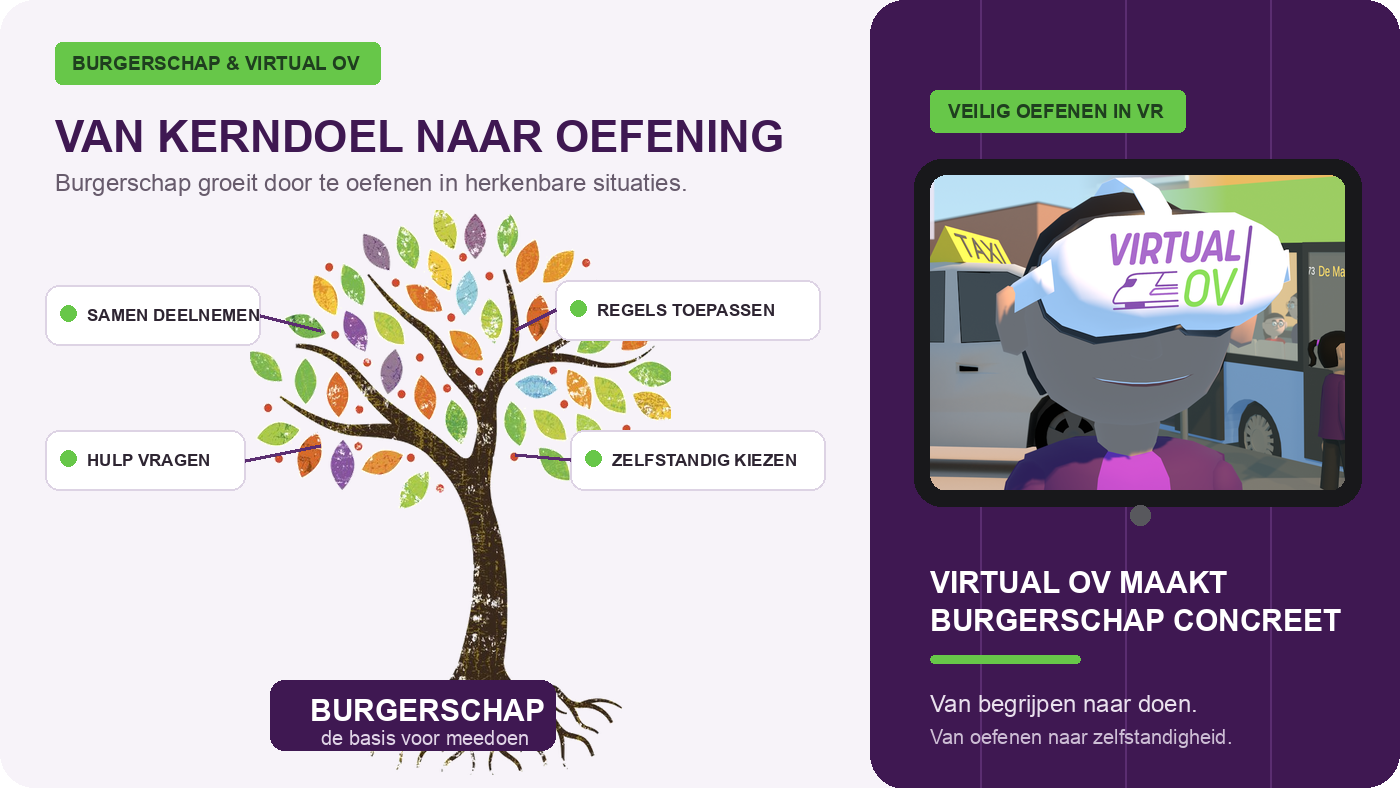
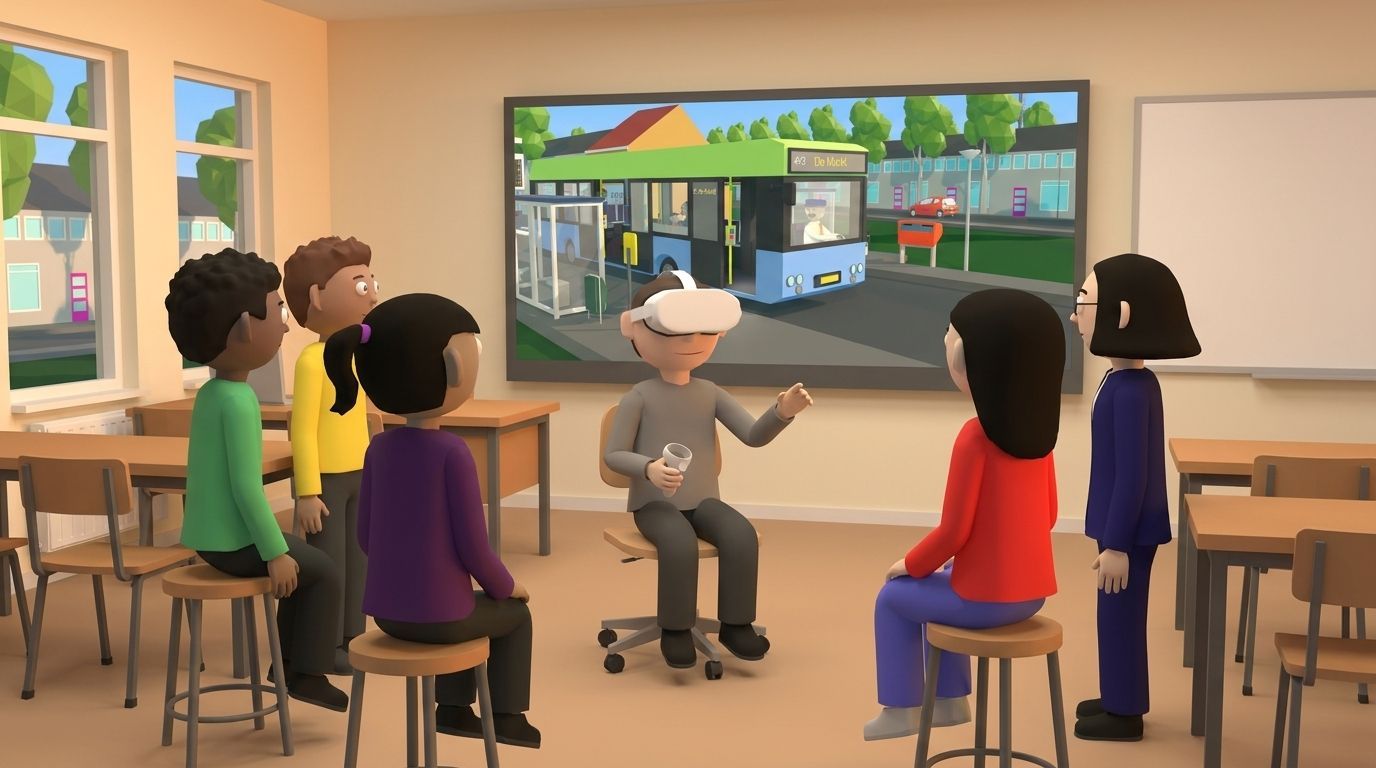
With Virtual OV, Changefied helps young people safely practice realistic public transport situations in VR. Think of transfers, delays, crowds, diversions, buying tickets, or asking someone for help.
Making mistakes is allowed, because the consequences are not real. You can repeat as often as necessary. And the step towards independent travel becomes smaller, more concrete, and better guided.
For young people who currently rely on school transport or adapted transport, this can be a safe intermediate step. First practice in a realistic learning environment, and only then take the next step in real public transport.
Why this is relevant for municipalities and provinces
For municipalities and provinces, this approach can be valuable in several ways. It contributes to inclusive mobility, aligns with the desire to make young people more self-reliant, and can, in the long term, help reduce dependence on adapted transport where responsibly possible.
The question, therefore, is not whether school transport will disappear tomorrow. The question is which students we can already help today to travel a little more independently tomorrow.
Now that preparations for the new school year are underway, this is exactly the moment to formulate that question together. Not just: which trips do we need to organize?
But also: which student can regain a bit of freedom with the right support?
Involved in student transport, the Social Support Act (Wmo), or inclusive mobility?
Then this is a good time to see which young people can take a step towards more independent travel with the right preparation. We are happy to help think about a safe and practical approach with Virtual OV.
Bronnen en verantwoording
De monitor beschrijft de landelijke situatie in schooljaar 2023/24; deze cijfers zijn geen effectmeting van Virtual OV. Minder vervoers- of begeleidingskosten zijn een mogelijke uitkomst, geen bewezen of gegarandeerde besparing. Een lokale businesscase vraagt om een nulmeting, vervolgmeting en alle kosten van training, begeleiding en vervoer.