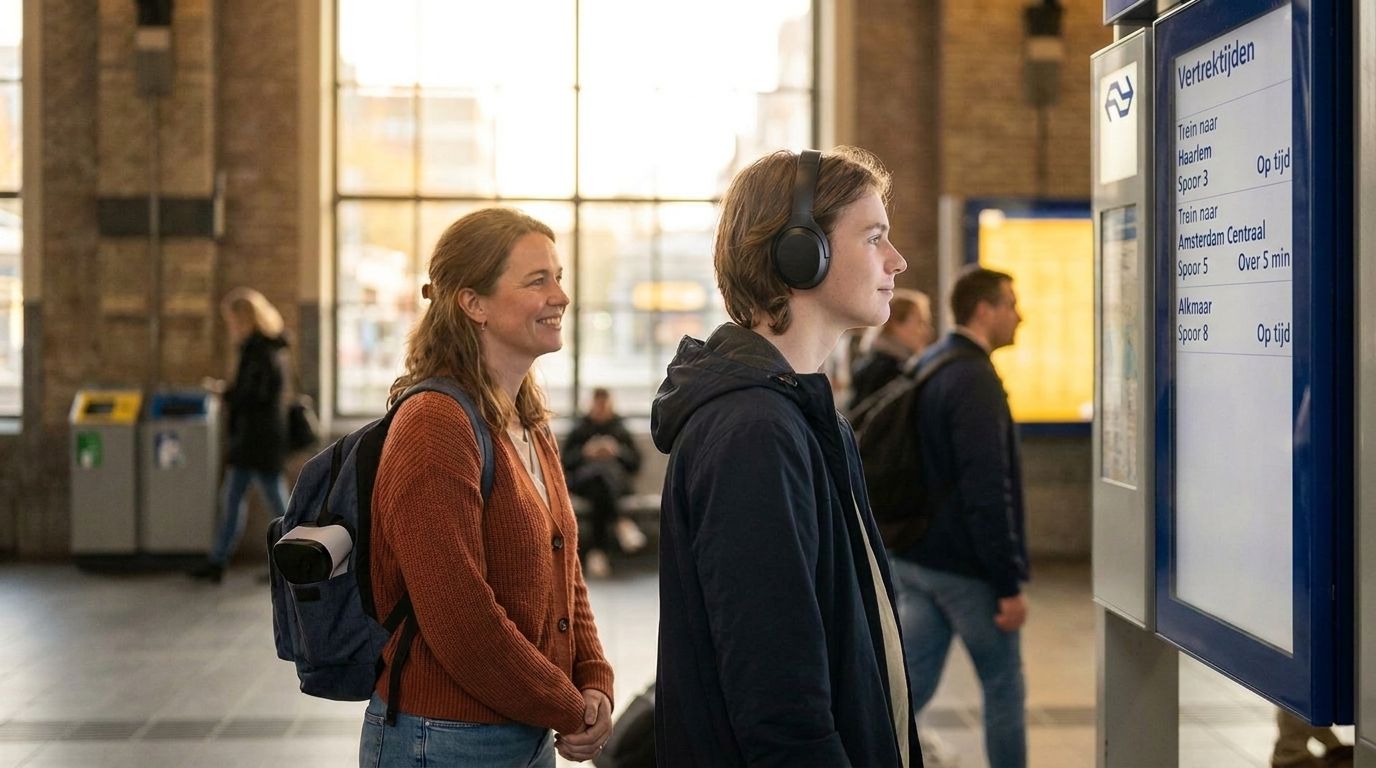
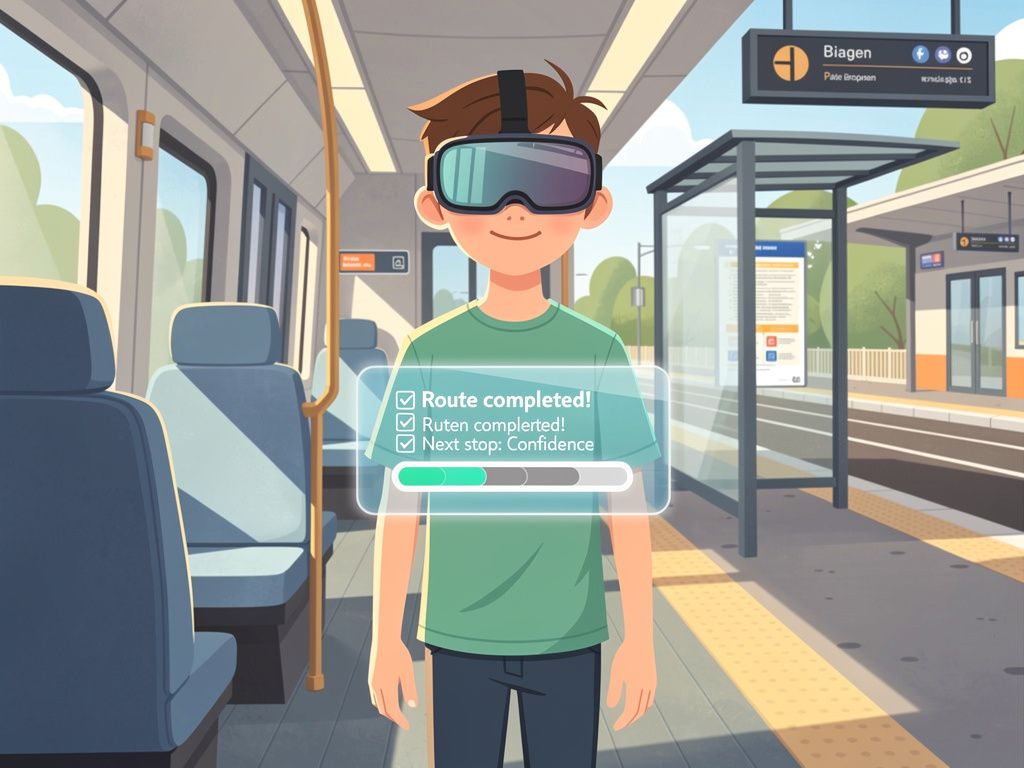
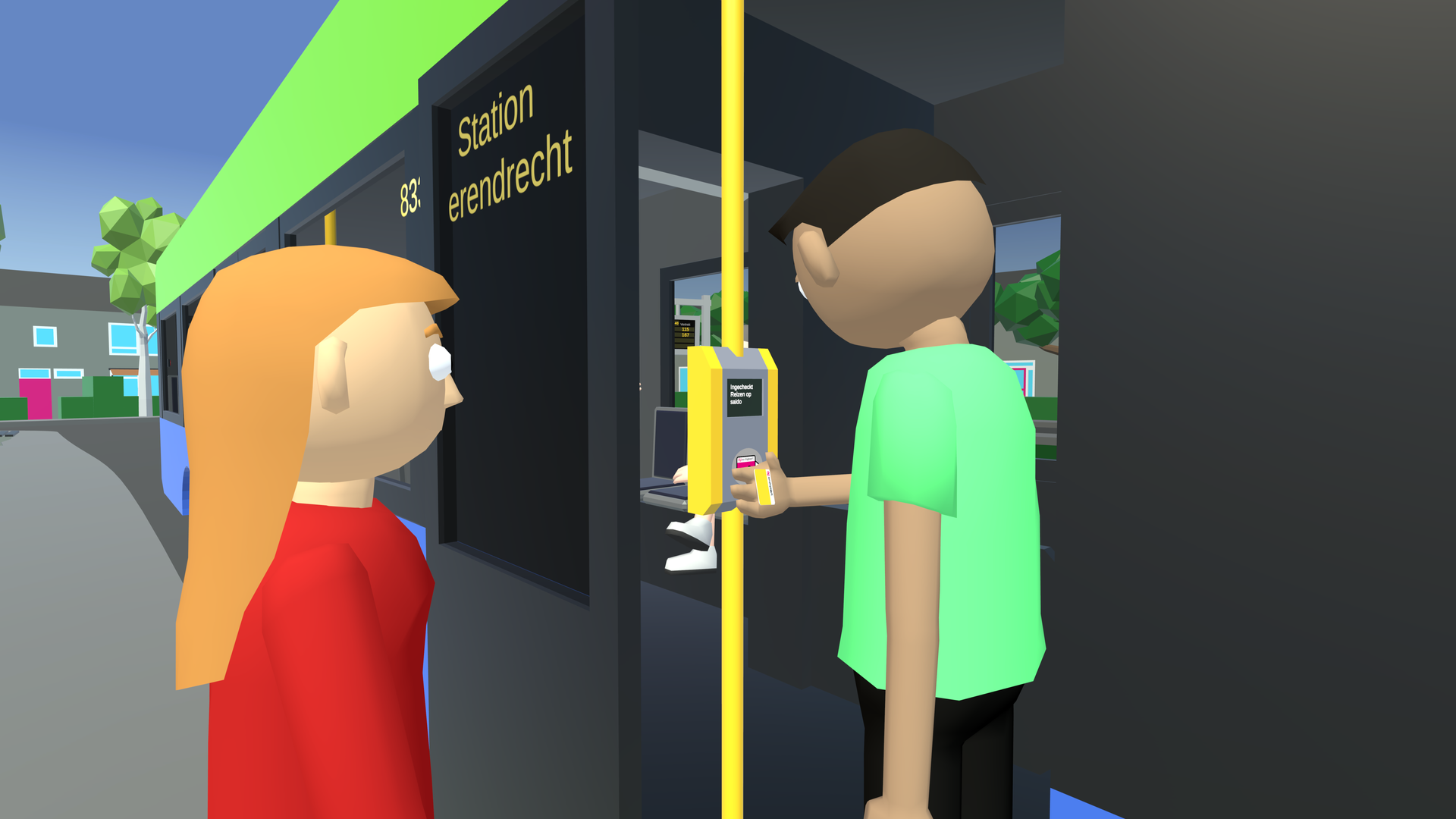
A student is standing at a bus stop. A planned route is displayed on the phone. Multiple lines are listed on the bus stop board, and the student must determine which bus is the correct one. This is followed by checking in, paying attention during the ride, and getting off on time.
That might seem primarily like practical travel skills. But there is more at play. The student uses information, makes choices, follows agreements, takes others into account, and participates independently in society.
That is citizenship in practice.
Citizenship is already compulsory. What changes in 2027?
Schools already have a statutory mandate to provide citizenship education. The new core objectives for citizenship are expected to come into force by law as of August 1, 2027. They make concrete which knowledge, skills, and experiences schools must offer students.
This provides schools with more guidance. At the same time, a practical question arises: how do you translate these goals into meaningful situations that align with students' daily lives?
Functional core objectives have been developed for pupils in secondary special education who transition to employment or day activities. These emphasize gaining experience, social and civic competencies, and participation in society. For pupils transitioning to further education, the regular core objectives for the lower years of secondary education apply.
The implementation is taking place in phases. Schools can therefore already prepare and investigate which existing lessons, activities, and teaching materials align with the new goals.
Citizenship is also about being able to participate
When it comes to citizenship, we often think of democracy, fundamental rights, diversity, and dealing with differences of opinion. These are important components. However, for many students, citizenship only gains meaning when it is linked to recognizable situations.
How do you ask for help if you don't understand something? How do you use a public service? How do you take others into account? What do you do if a plan suddenly changes? And how do you take more responsibility for your own choices, step by step?
For neurodivergent young people, such situations can place significant demands on planning, information processing, communication, and emotion regulation. Knowing what to do is not always sufficient; the student must also be able to experience and practice it.
Learning to travel independently is a powerful practice situation for this. A public transport journey brings together multiple citizenship skills:
- make use of a public facility;
- understanding and applying information;
- follow rules and procedures;
- take fellow travelers into account;
- ask a driver or employee for help;
- dealing with delays or missing information;
- making choices and experiencing the consequences thereof;
- reach a destination independently.
A student who learns this not only masters a route, but also gains more options for traveling to school, an internship, work, friends, or leisure activities.
From talking about citizenship to practicing citizenship
Many aspects of citizenship are discussed in the classroom. When it comes to practical self-reliance, talking alone is usually not enough. Students need practice situations in which they can perform actions, make mistakes, and gradually reduce support.
Real public transport is not always the best first step for this. A busy station, a missed connection, or an unexpected announcement can cause a lot of stress. When the first experience is overwhelming, a student may start avoiding a subsequent attempt.
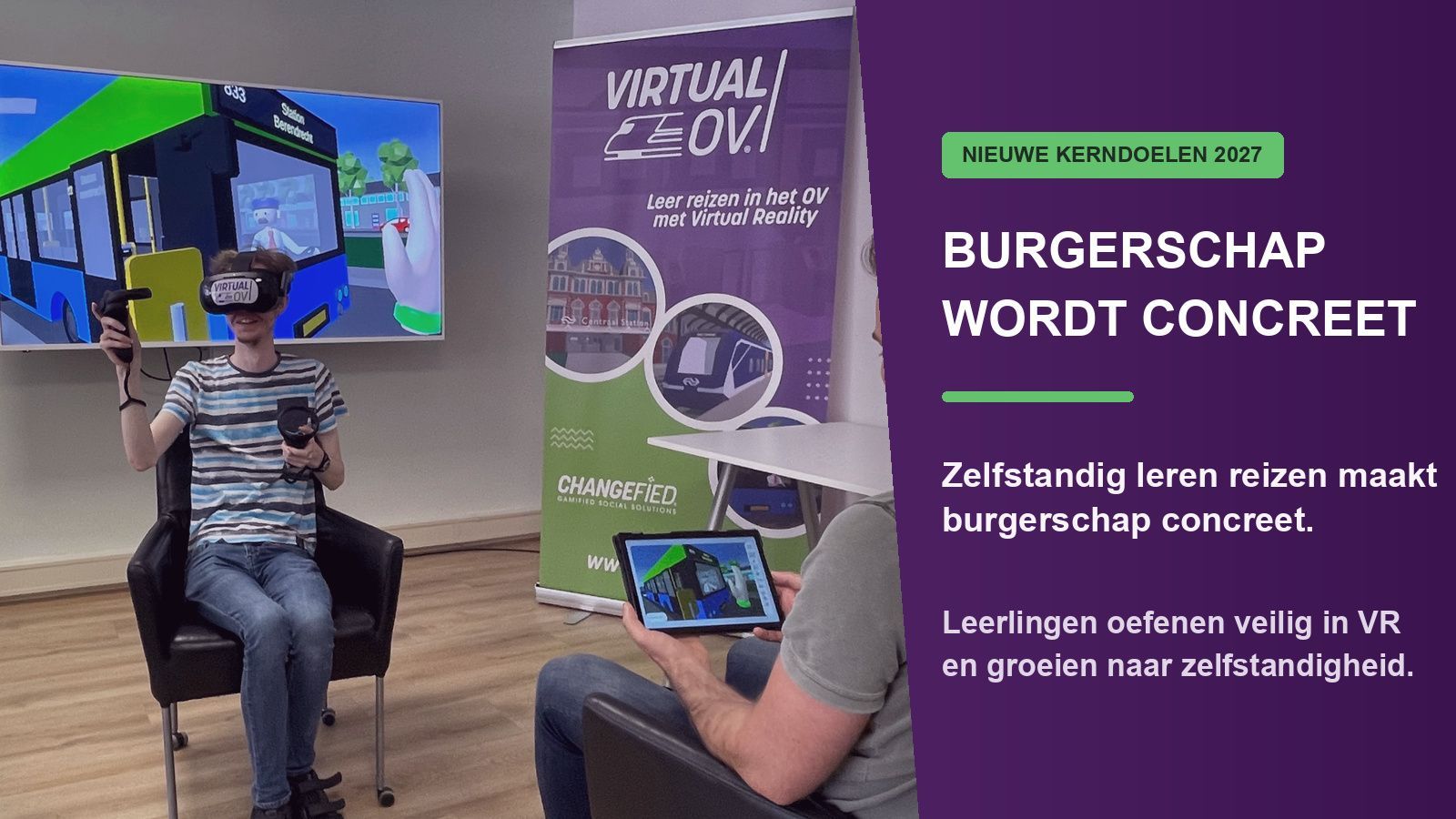
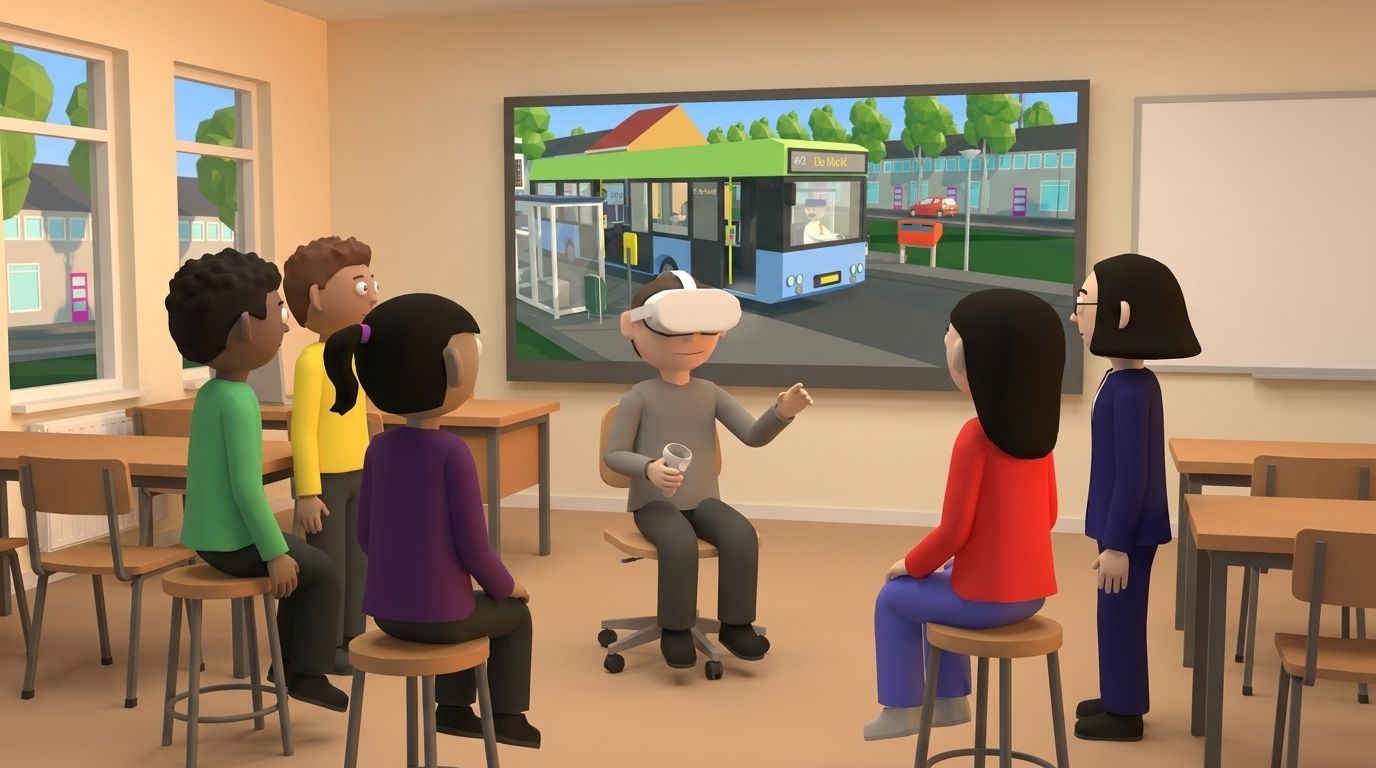
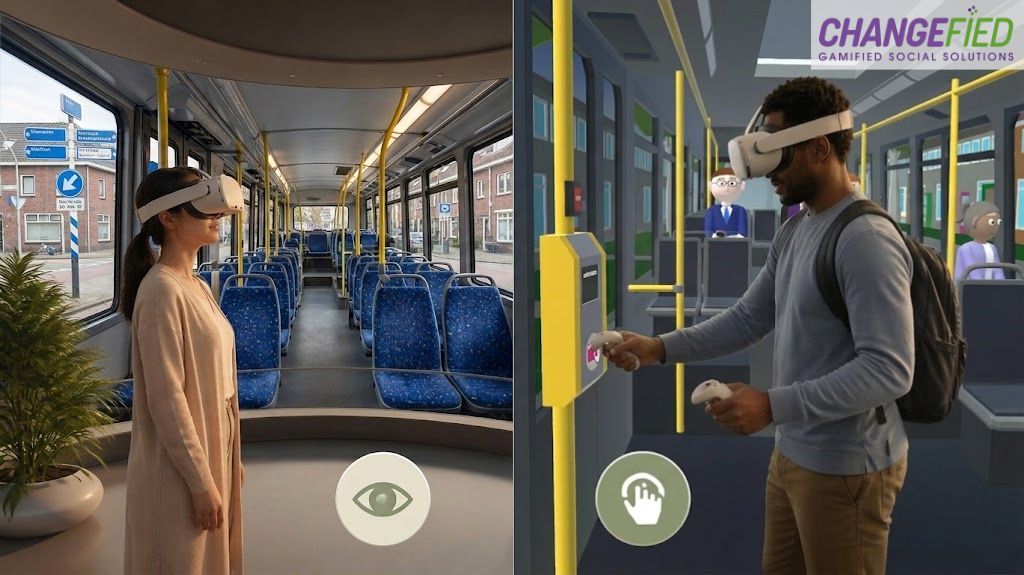
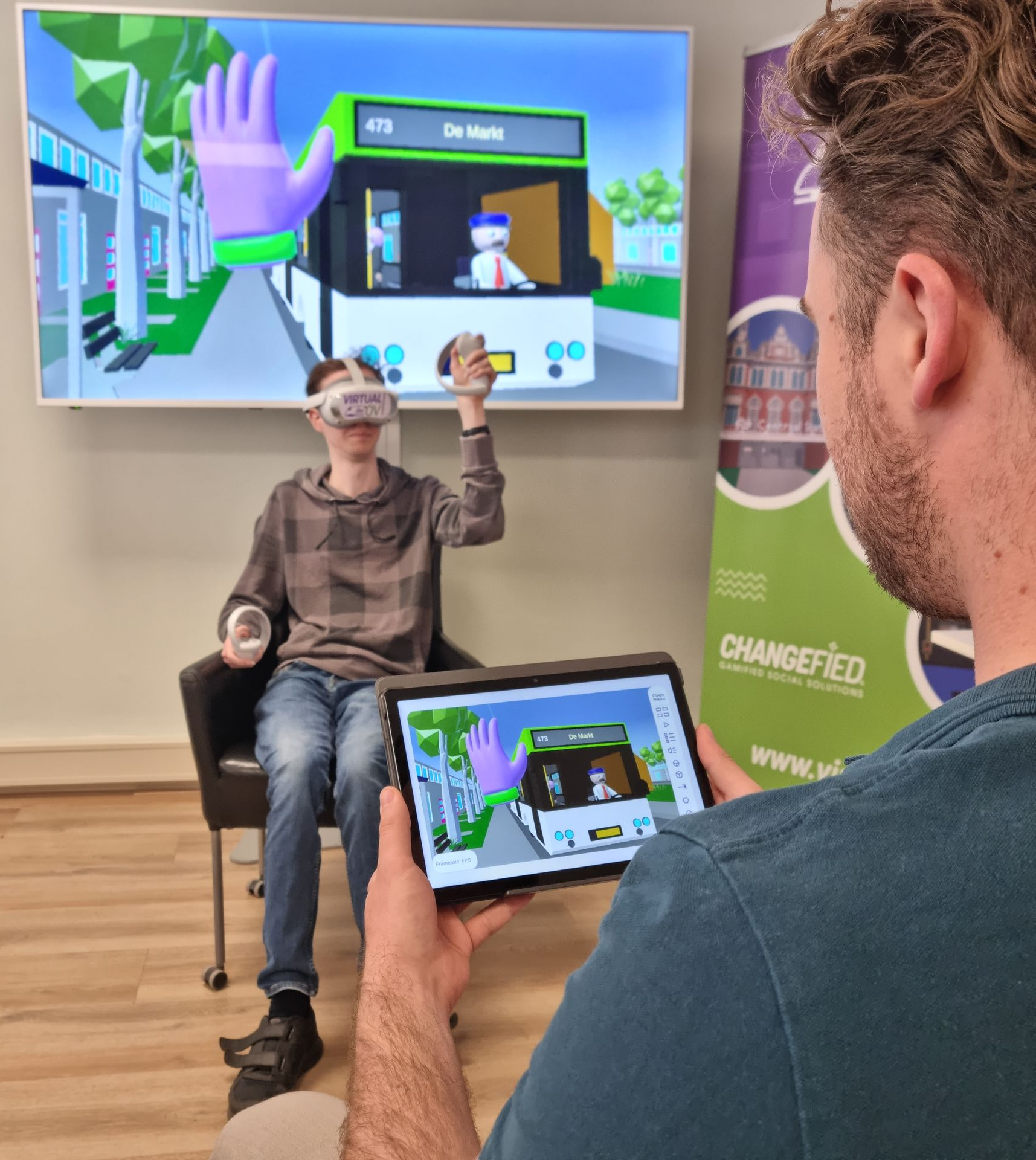
Virtual Reality offers an intermediate step. In a realistic yet safe environment, a student can first explore a situation. The journey can be repeated, and the teacher or supervisor can see exactly where support is needed. A mistake has no immediate consequences and becomes part of the learning process.
The structure then becomes:
- Practice safely in VR first.
- Afterwards, reflect together on what went well and what was still difficult.
- Next, take a small and appropriate step in practice.
- Gradually reduce the support when the student is ready for it.
VR is not an end in itself. It is a means to practice skills that make a difference outside the headset.
How Virtual OV connects
Virtual OV is a VR learning environment in which students practice traveling independently by bus, train, tram, and metro. The scenarios range from a simple bus journey to journeys with multiple transfers and unexpected situations.
Students practice with, among other things:
- plan a trip;
- find a stop, track or means of transport;
- compare travel information;
- check-in and check-out;
- buy a ticket or top up the balance;
- ask for help;
- respond to delays, outages, or a defective information screen;
- follow an alternative route;
- completing a journey with less support.
In this way, Virtual OV aligns thematically with citizenship and self-reliance. Dutch, arithmetic and mathematics, and digital literacy are also incorporated into the scenarios. Examples include reading signs, understanding announcements, using departure times, handling money, and operating a journey planner or ticket machine.
Virtual OV is not a complete method for citizenship education and does not cover all core objectives. The school retains control. The teacher determines which learning objectives are central, how the exercise aligns with the exit profile, and which next practical step is appropriate.
From core objective to observable behavior
An important advantage of practical practice situations is that abstract goals become visible in behavior.
During a simple bus trip, for example, a teacher can observe whether the student:
- finds the correct information in the travel planner;
- compares bus number, direction and departure time;
- checks in independently;
- continues following the stops;
- used the stop button on time;
- checks out upon arrival;
- can continue after a hint or performs the action independently.
The assessment does not have to be a numerical grade. A simple classification often provides more useful information:
- Not yet visible
- With support
- Independent
Next comes the most important question: what is a suitable next step outside of VR? That can start small, for example by looking at a bus stop sign together or planning a familiar route.
What can schools do already?
Schools do not have to wait until August 2027 to prepare. A useful first step is to compare the current offering with the new core objectives.
Four questions help with that:
- Where are students already practicing social participation and self-reliance?
- Which goals remain primarily theoretical and require more practical experience?
- What observable behavior shows that a student is making progress?
- How do we connect practicing at school to a safe next step in the real world?
A simple learning path can then be set up for independent travel: preparation, safe practice, observation, reflection, and application in practice.
Citizenship becomes stronger when it becomes tangible
The new core objectives offer schools an opportunity to make citizenship even more concrete. Not by adding a separate subject or extra lesson for everything, but by looking at situations in which students actually practice participating in society.
Traveling independently is one such situation. It requires knowledge, communication, planning, flexibility, and trust. Moreover, for some students, it is an important step towards internships, work, social contacts, and more freedom.
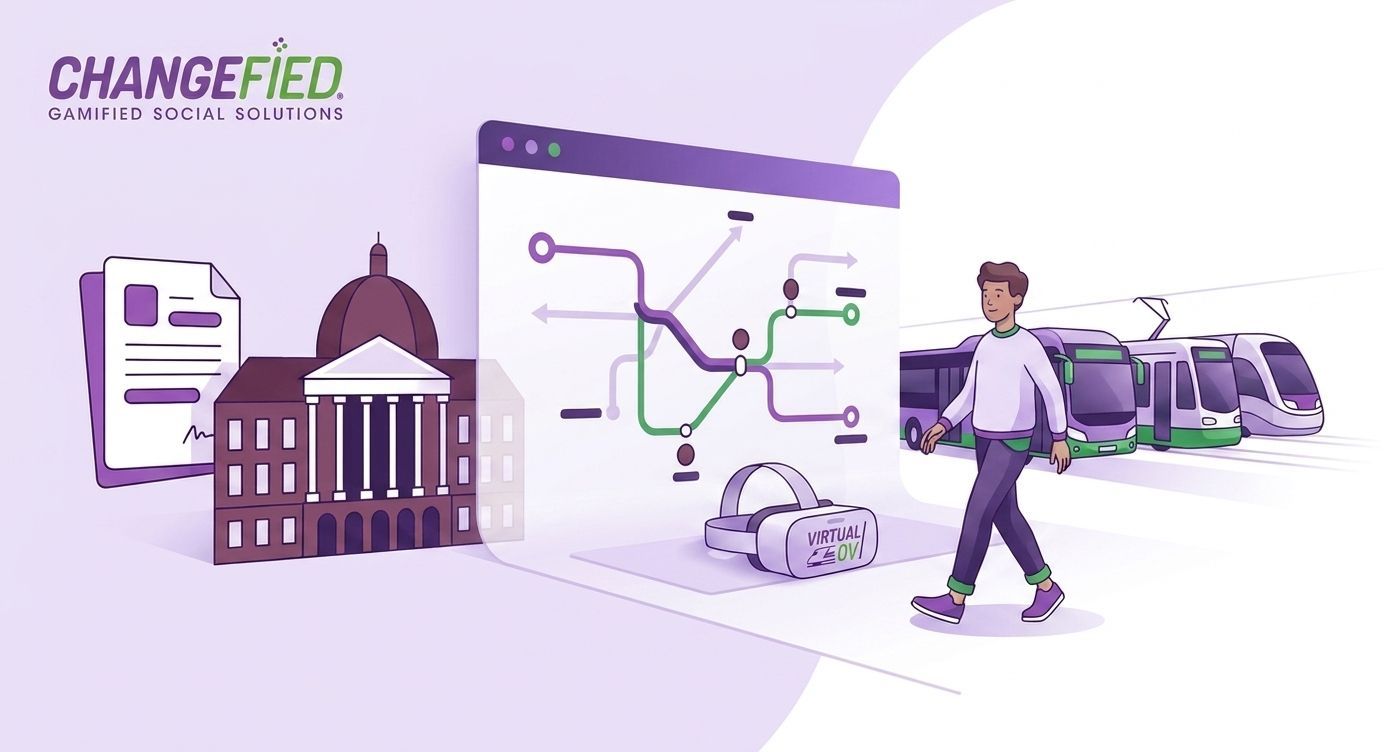
Virtual OV helps schools to first practice that step safely and under guidance. Not as a replacement for real-world practice, but as a bridge between guidance and independence.
Would you like to explore how independent travel can be integrated into citizenship education and your school's self-reliance goals? Changefied is happy to help you think about a suitable implementation of Virtual Public Transport. Contact us for an introduction or demonstration.