In our previous blog, we described why learning to travel independently is a meaningful practice situation for citizenship. But what exactly is Virtual Public Transport, and how can a school use it within citizenship education?
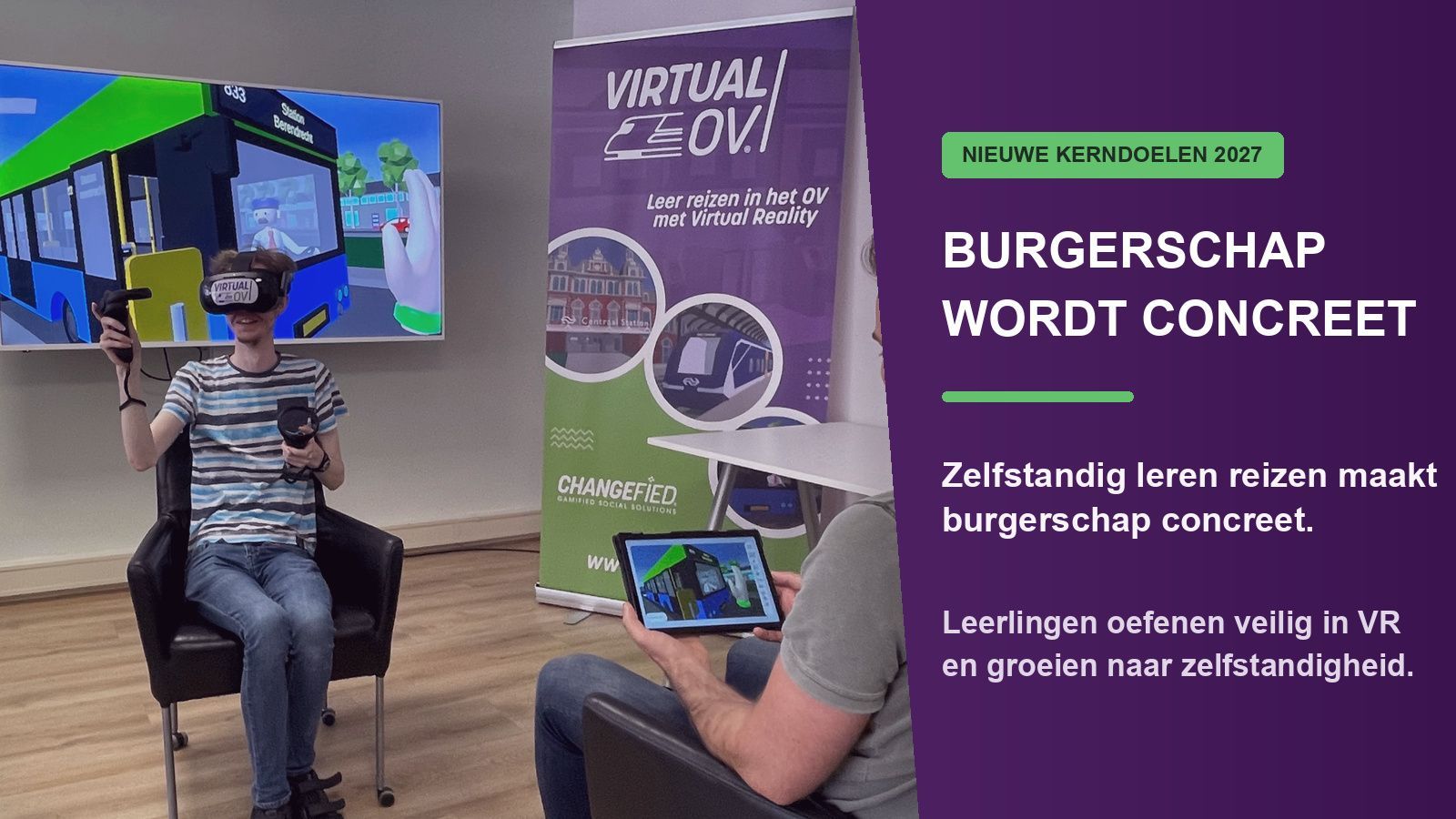
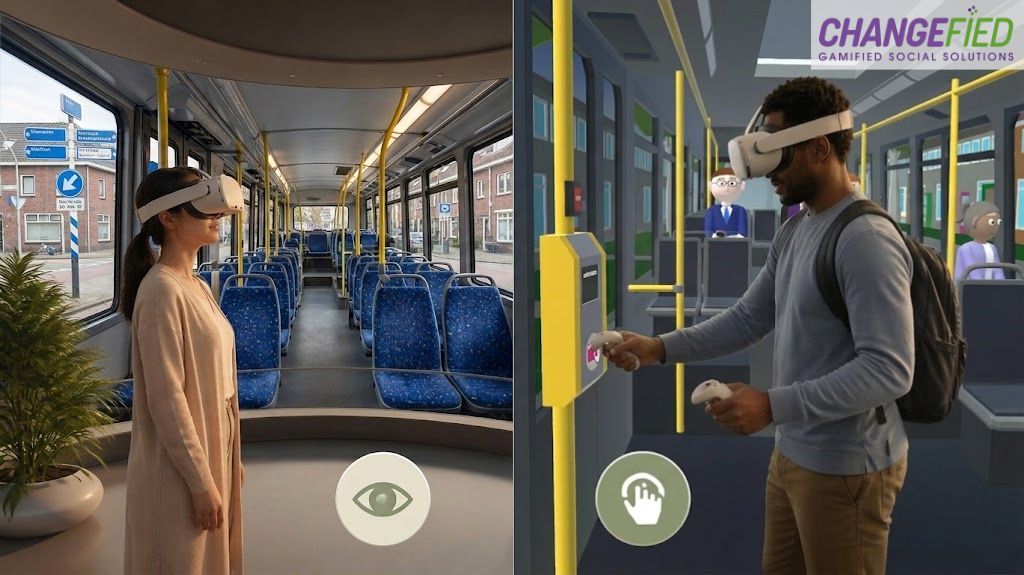
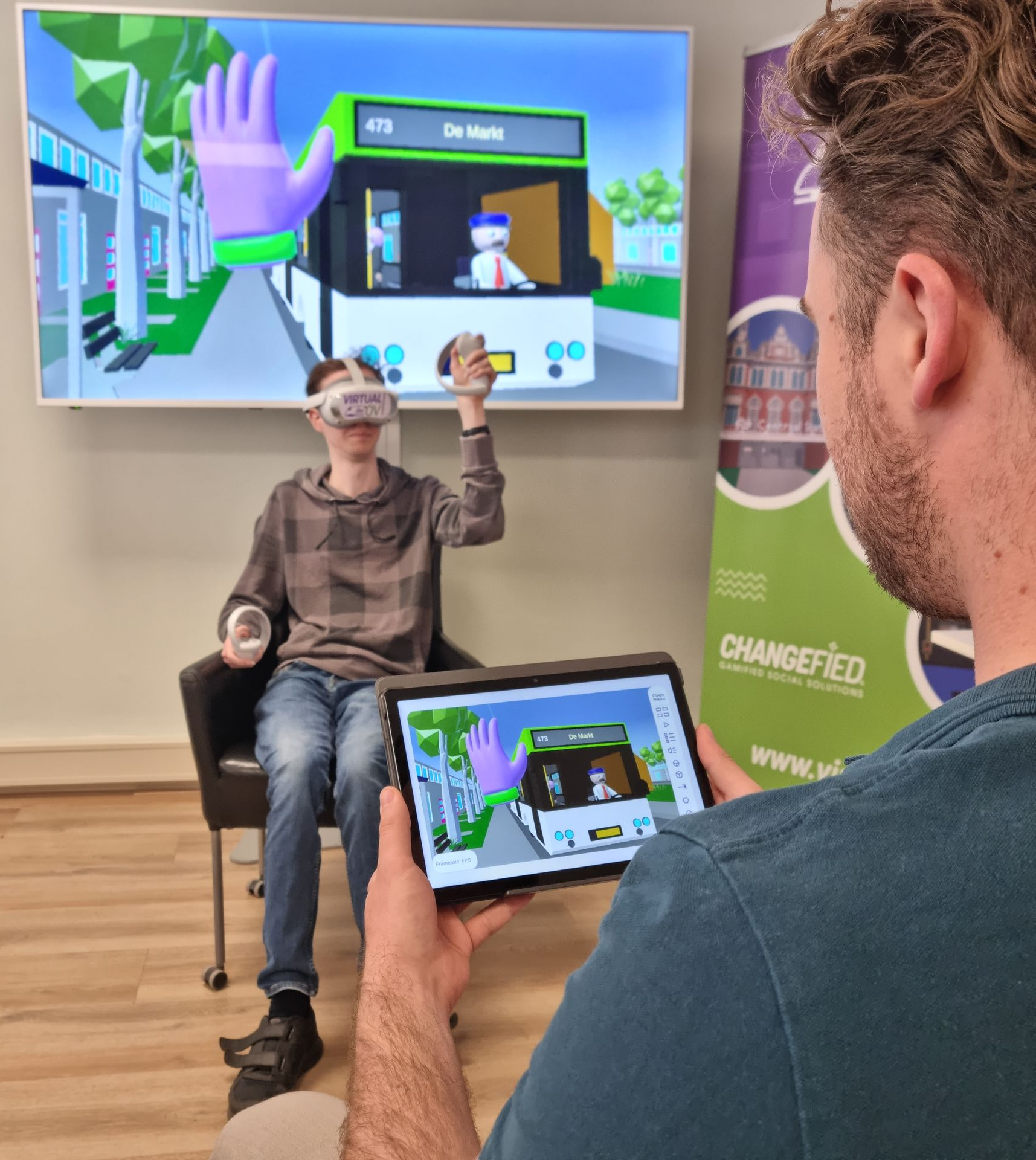
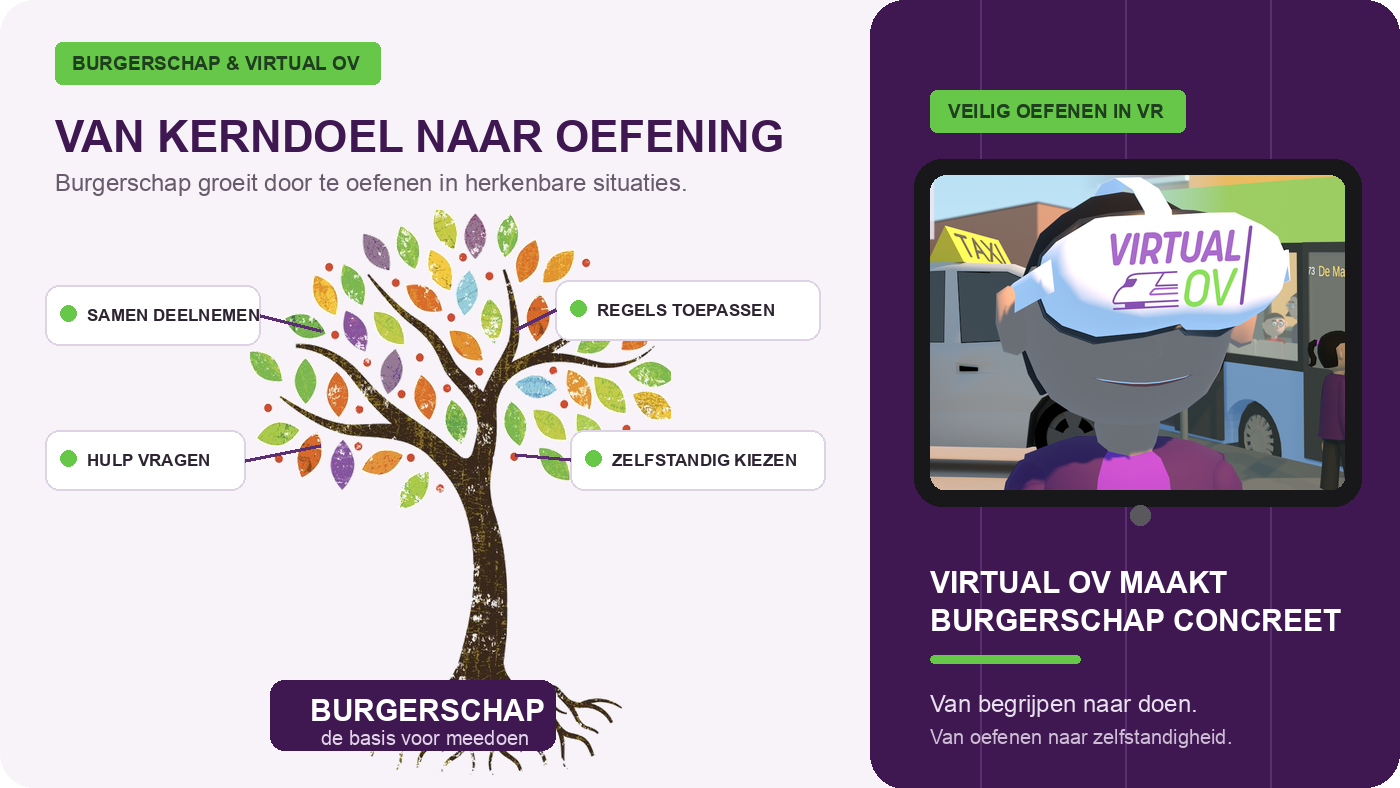
Virtual OV is a VR learning environment in which students can safely practice traveling independently by public transport. In recognizable situations, they learn, among other things, how to use travel information, transfer, ask for help, and react when a journey deviates from the plan. The teacher or supervisor uses the exercise as preparation for an appropriate next step in practice.
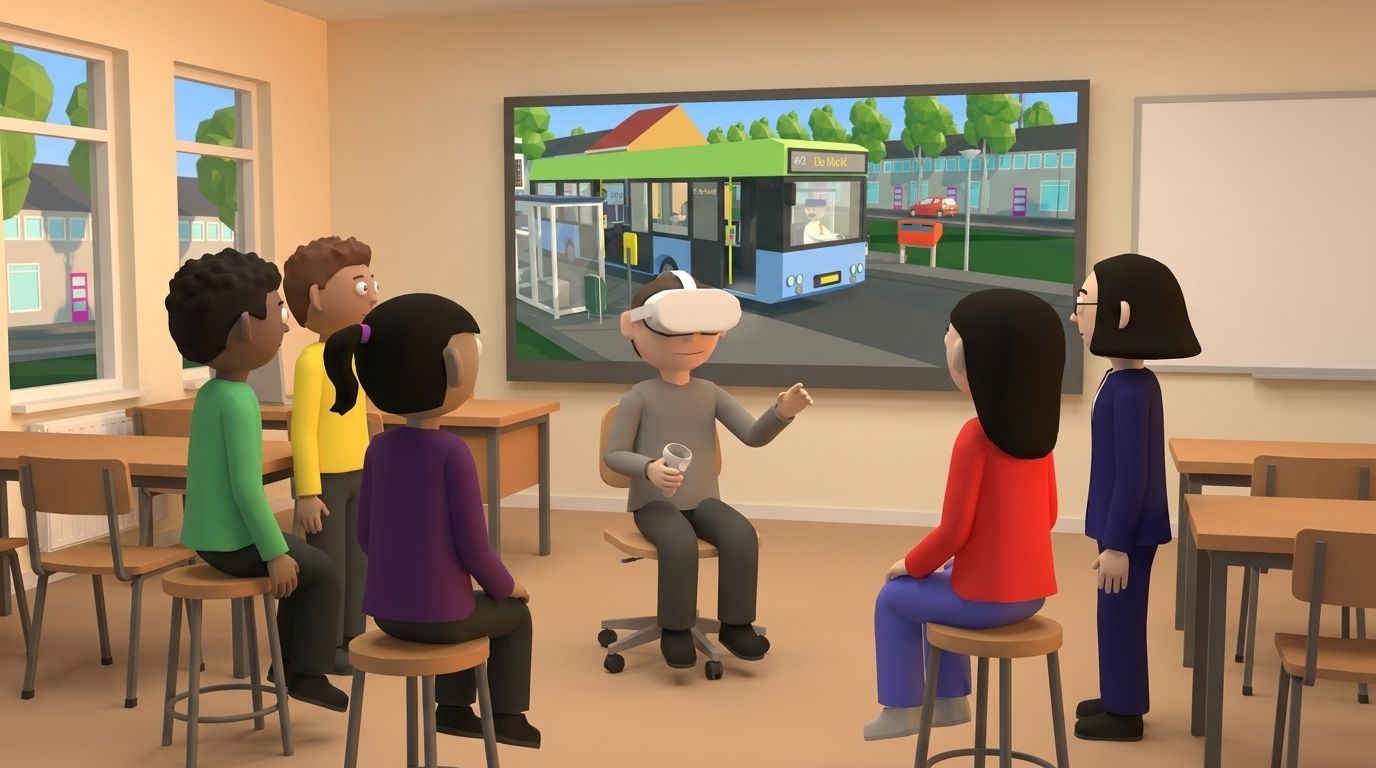
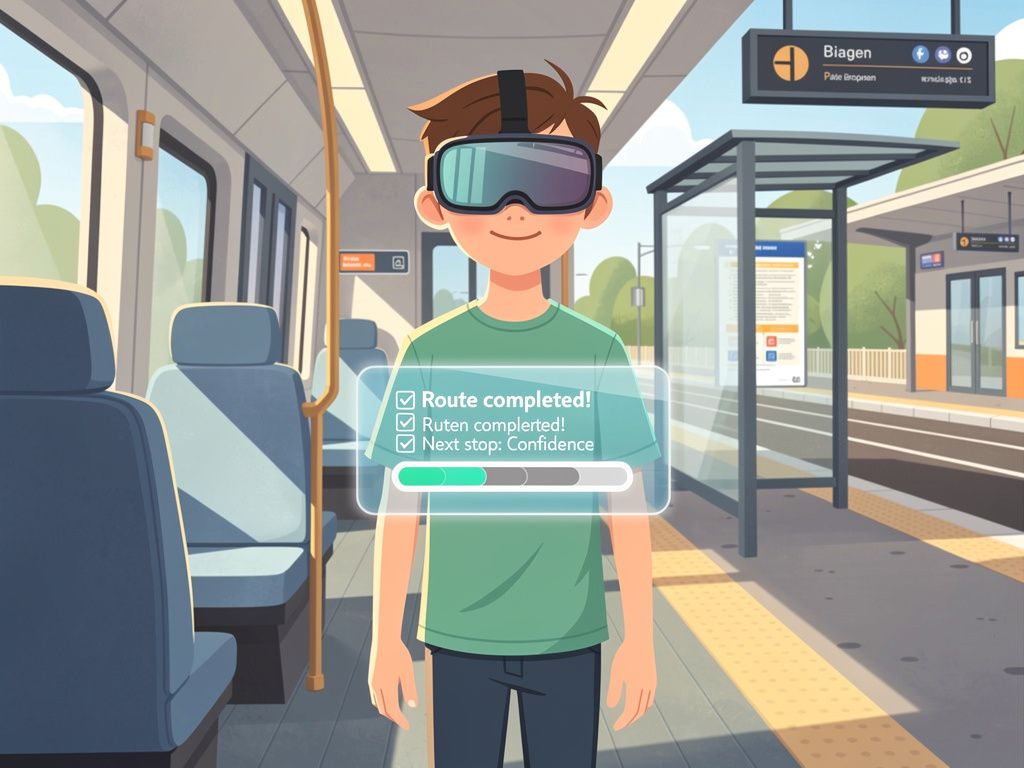
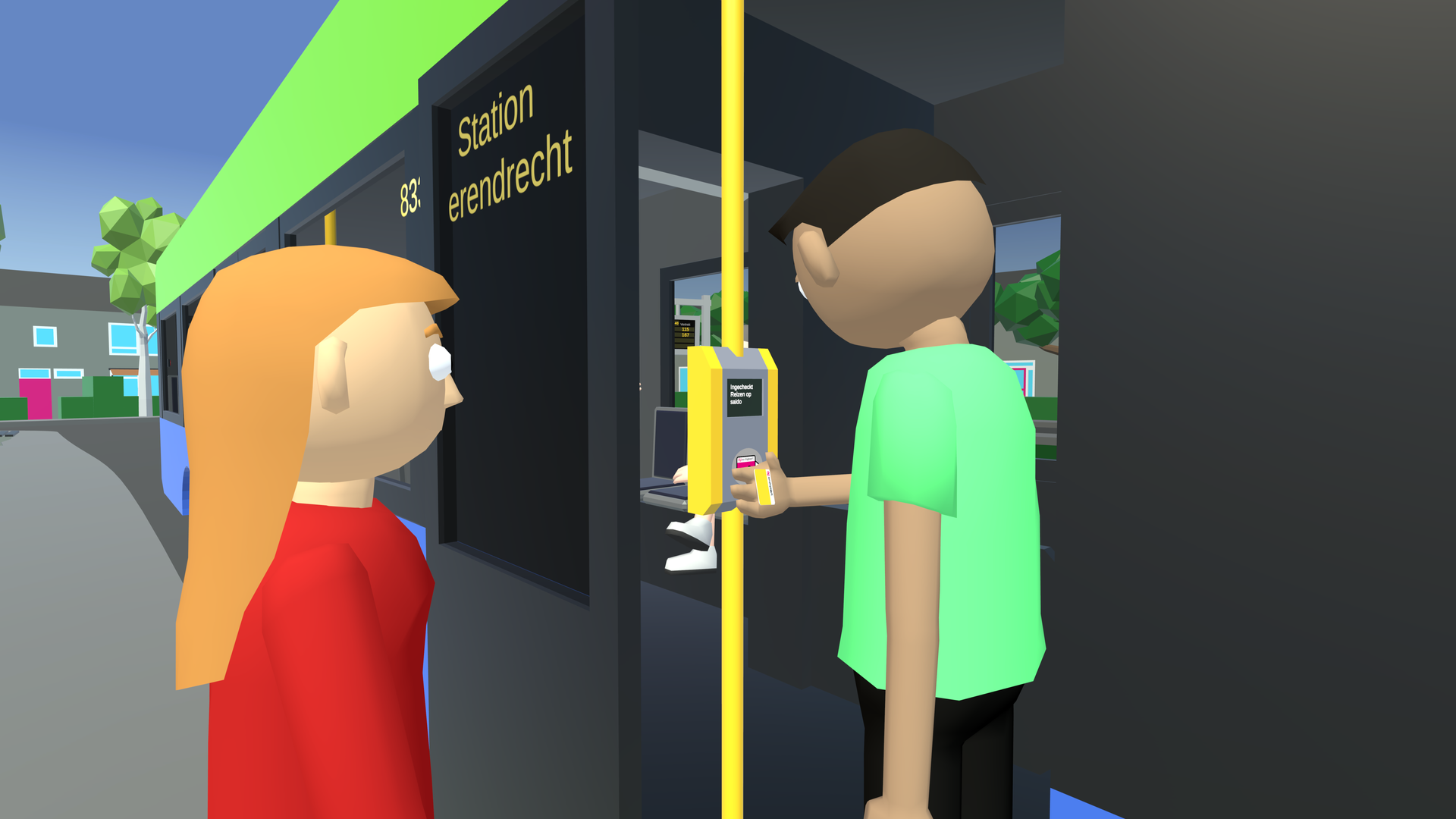
A student puts on the VR headset and steps into a virtual travel environment. There, the student must find information, make choices, follow rules, consider others, and determine what is needed to reach the destination. A mistake has no immediate consequences. The situation can be repeated, and the guidance can be phased out step by step.
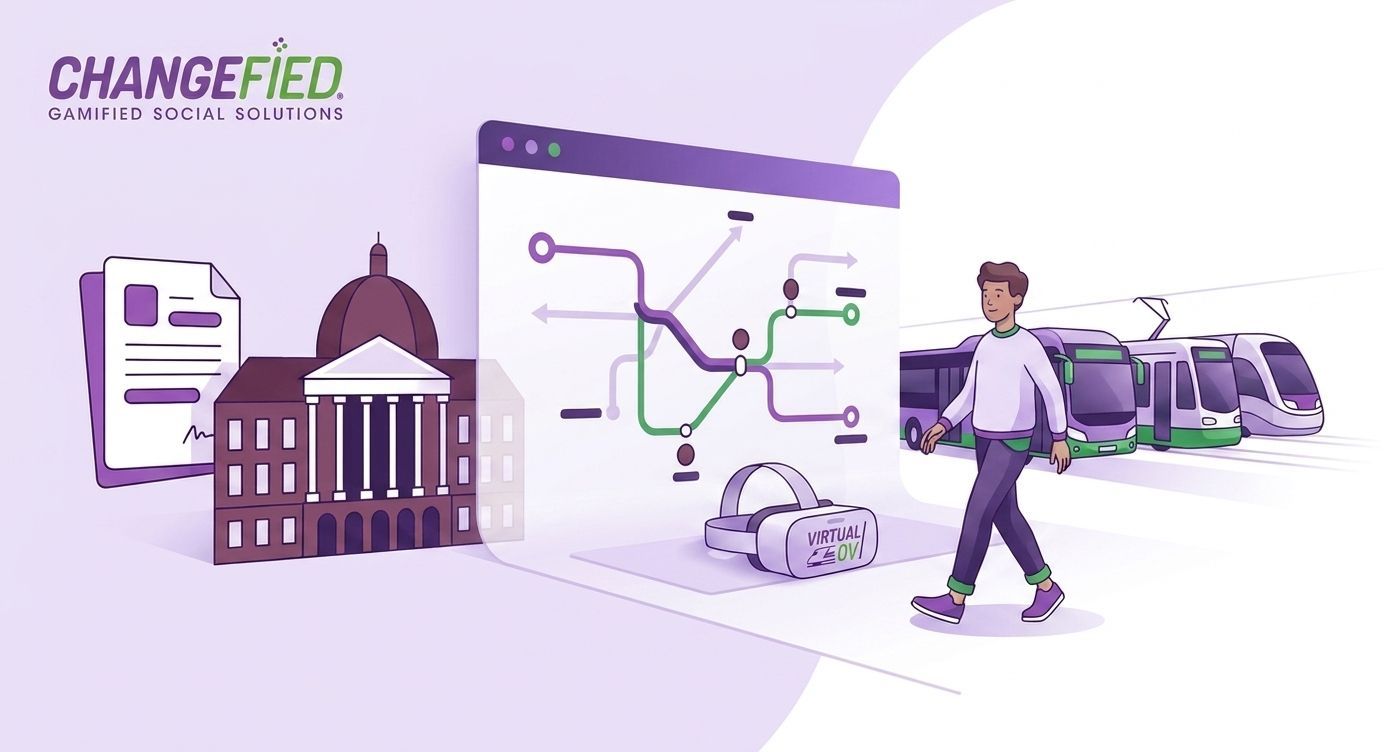
As such, Virtual Public Transport is more than just travel training. It offers schools a concrete practice situation in which aspects of citizenship become visible, open for discussion, and practiceable.
Citizenship is also about being able to participate independently
When it comes to citizenship, we often think of democracy, fundamental rights, diversity, and dealing with differences. These are important components. For many students, citizenship also takes on meaning in everyday situations.
Can I use a public facility independently? Do I know which rules apply? Can I find information, make a choice, and ask for help when necessary? How do I behave towards other people in a shared space?
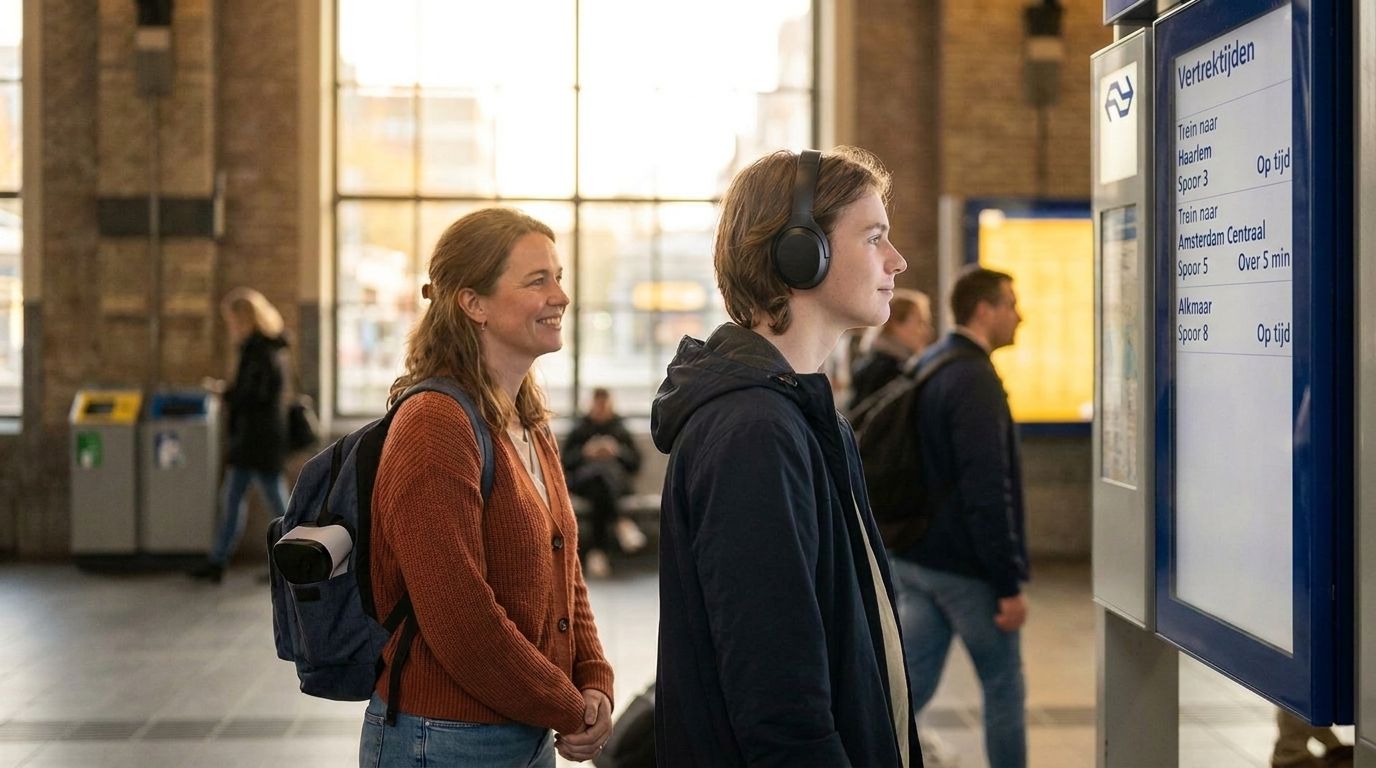
A journey by public transport brings these questions together. A student moves within society and encounters transport providers, fellow passengers, rules, information, and unexpected changes. Learning to travel independently is therefore more than learning a route. It is practicing social participation.
Where Virtual Public Transport aligns with the functional core objectives of citizenship
Functional core objectives have been developed for students in special secondary education (vso) who transition to day activities or employment. These are target goals and focus on practical application, self-reliance, and a suitable place in society.
The functional core objectives for citizenship are divided across three domains:
- Yourself and the other.
- Living together in a democratic constitutional state.
- Shaping democratic and social engagement.
Virtual Public Transport touches upon aspects of all three domains. The strongest connection lies with social engagement.
Core Objective 17B: being involved in society
Within core objective 17B, the student explores opportunities to be involved in society. This includes, among other things, tasks, roles, rights and obligations, and the importance of social services and organizations for oneself and others.
Public transport is one such public service. In Virtual OV, a student practices how to use it as a traveler.
That becomes visible when the student:
- travel information used to make a choice;
- uses a valid ticket or means of payment;
- takes other travelers into account;
- applies traveler rules and procedures;
- asks for help from a driver or employee;
- takes responsibility for continuing the journey;
- redefines what is needed in the event of a change.
Virtual Public Transport does not cover the entire core objective. However, it does offer a concrete context in which social participation can be experienced and practiced.
Core Objective 15: Social and civic competencies
Virtual OV also aligns with elements of core objective 15. In doing so, the school promotes students' social and civic competencies, as well as respectful interaction with others and with diversity.
During a journey, this is reflected in simple but meaningful actions. A student waits their turn, addresses a stranger appropriately, listens to an answer, and takes other travelers into account.
For some students, these actions seem self-evident. For neurodivergent students, however, they can place significant demands on communication, information processing, and self-regulation. A safe practice environment makes it possible to repeat such situations and gradually reduce support.
Core Objective 16: Living together and dealing with rules
Under core objective 16, the student gains experience living together in a democratic constitutional state. Virtual OV does not cover this broad core objective, but it does offer situations in which rules, equal treatment, and respectful communication play a role.
Remember to check in and out, use a valid ticket, follow the rules in a quiet carriage, or treat staff and fellow passengers appropriately.
The connection, therefore, does not lie in a theoretical treatment of the rule of law. It lies in the experience that shared facilities only work when people follow agreements and take each other into account.
From citizenship goal to observable behavior
Core objectives provide direction to education. For a teacher, the question then remains: what do I want to see in this student during this exercise?
Virtual Public Transport makes it possible to translate a broad citizenship goal into concrete behavior. For example:
| Citizenship in practice | Observable behavior in Virtual OV |
|---|---|
| Making use of a social facility | The student finds the correct means of transport and uses the necessary travel information. |
| Applying rules and procedures | The student checks in and out and uses a valid ticket. |
| Taking others into account | The student follows traveler rules and behaves appropriately in a shared space. |
| Social communication | The student addresses a driver or employee appropriately. |
| Using assistance and facilities | The student asks a specific question for help regarding missing information. |
| Taking responsibility | The student chooses an appropriate next step in the event of a change. |
These are not isolated checkboxes used to sign off on an entire core objective. However, they do provide the teacher with useful information about what a student can already do independently and where support is still needed.
Where the CED learning pathways make the connection more concrete
SLO describes the national goals. The CED Group offers learning pathways that enable schools to translate these goals and other educational objectives into a structure for concrete student behavior.
For Virtual Public Transport, the People and Society learning track is the most directly relevant. In particular, the components of recognizing and naming routes, using maps and travel information, and acting in traffic align strongly.
The connection is remarkably concrete. The CED learning trajectory includes skills such as:
- accompanied or independent travel by public transport;
- follow a known or unknown route;
- use various means of transport;
- transfer independently;
- check-in and check-out;
- top up the OV-chipkaart;
- act when information is missing or a malfunction occurs;
- choose an alternative route or another means of transport.
These skills support social competence and participation. In doing so, they form a practical bridge between the broad citizenship mandate and the behavior a student can demonstrate during a practice situation.
How this is reflected in Virtual OV
The structure of Virtual OV progresses from simple travel maneuvers to more complex situations in which the learner must act increasingly independently.
| Example from Virtual OV | Connection to citizenship and CED |
|---|---|
| Following a well-known bus route and checking in and out | Use public transport independently and follow agreed procedures. |
| Transferring from bus to train | Use information and take responsibility for consecutive parts of the journey. |
| Recognize and top up insufficient balance | Functionally using a social facility and means of payment. |
| Respond to a delay or a track change | Dealing with change and utilizing available information. |
| Use an information point or roadside emergency telephone | Knowing where help is available and asking for specific help. |
| Choose an alternative route by tram and metro | Independently determine a suitable next step in the event of failure. |
The higher levels and challenge levels are particularly suitable for observing whether a student can combine previously practiced skills with less support.
Other learning areas are related, but are not the main focus
A public transport journey also calls upon language, arithmetic, digital literacy, and learning to learn. Students read signs and announcements, understand announcements, use times and balances, operate a journey planner, and perform a multi-step task.
CED learning pathways for oral and written language, arithmetic, learning to learn, and preparation for day activities and employment therefore also offer relevant starting points. For specific target groups, specialist learning pathways from, for example, VIVIS or Kentalis may additionally be of importance.
These links are valuable, but in this context, they support the main message: Virtual OV makes components of citizenship practically practiceable by allowing students to safely experience how they can participate independently in society.
What does this mean for your school?
Which citizenship goals are central and how Virtual OV aligns with them varies by school, exit profile, and student group.
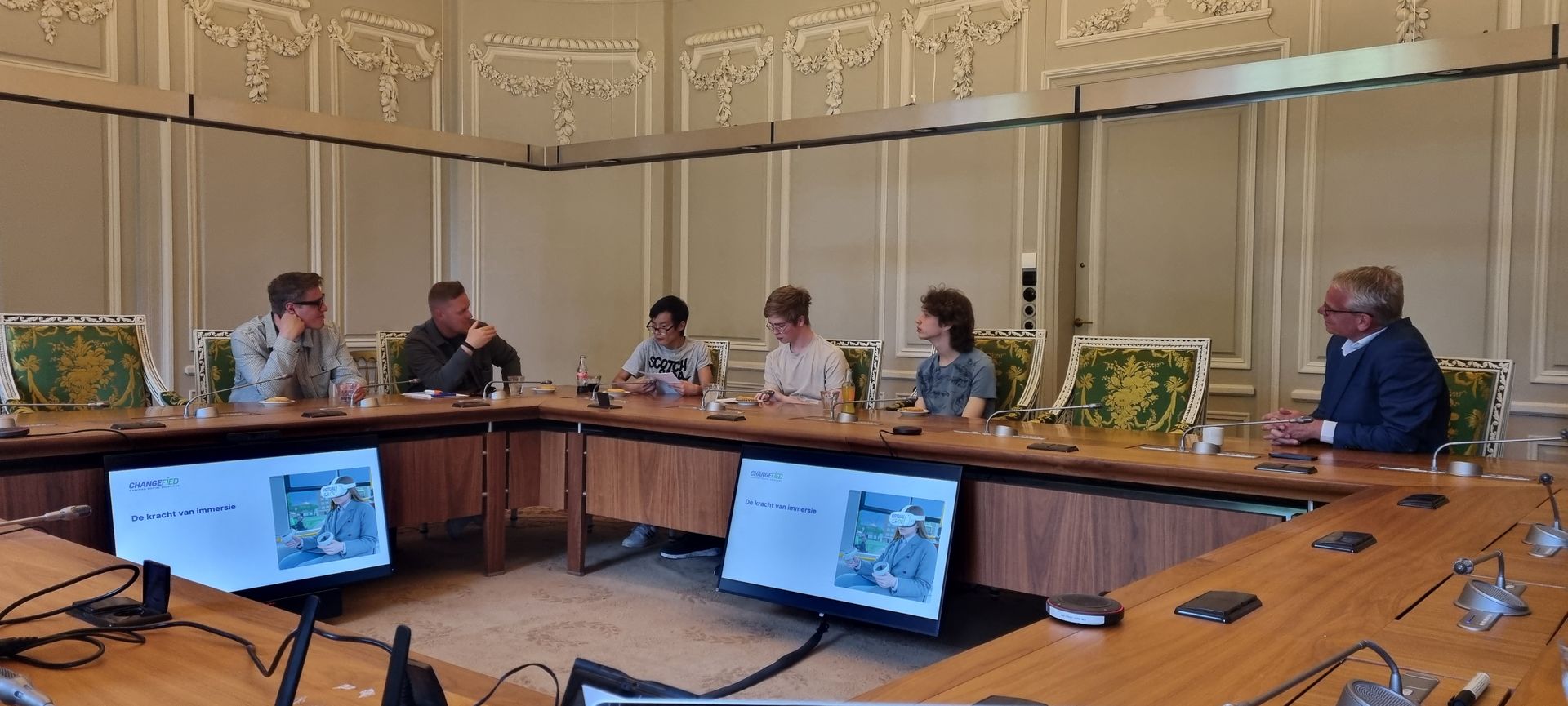
During a demonstration, we will show which situations students practice in Virtual OV, what behavior becomes visible in the process, and how this can be linked to your school's citizenship education. This will allow you to judge for yourselves where Virtual OV best aligns with your educational offerings.
Citizenship becomes meaningful when students can practice it
Citizenship is not just about knowing how society works. It is also about experiencing how you can participate in it.
For a student, that participation can begin at a bus stop. Finding the right information, making a choice, considering others, and knowing where help is available. These are small actions with a big goal: being able to enter the world increasingly independently.
Virtual OV offers a safe learning environment in which students can practice these actions, are allowed to make mistakes, and build confidence. Not as a replacement for real-world practice, but as preparation for it.
In this way, learning to travel independently becomes a concrete practice situation for citizenship. First, practice safely in VR, and then participate more independently in society.
Would you like to explore how Virtual OV can align with your school's citizenship goals and learning trajectories? Changefied is happy to brainstorm with you regarding a suitable connection, observation, and build-up to practice in real-world situations.