A broad alliance of municipalities, civil society organizations, and transport operators is advocating for fundamental reform of school transport. A petition regarding this was presented to the House of Representatives in May. The core of that appeal is clear: if we want to ensure that vulnerable children retain access to education, school transport must be organized differently.
That signal is important. Not only because student transport is under pressure due to costs, capacity, staff shortages, and complex routes. But especially because behind every transport issue lies a student who needs to be able to get to school.
A student who cannot always travel independently. A parent who needs certainty. A school
who wants students not to arrive stressed, late, or overstimulated. And a municipality that seeks solutions that work today, but are also sustainable in the long term.
The question is therefore not only how we organize student transport better. The question is also how we can help more students become more independent step by step.
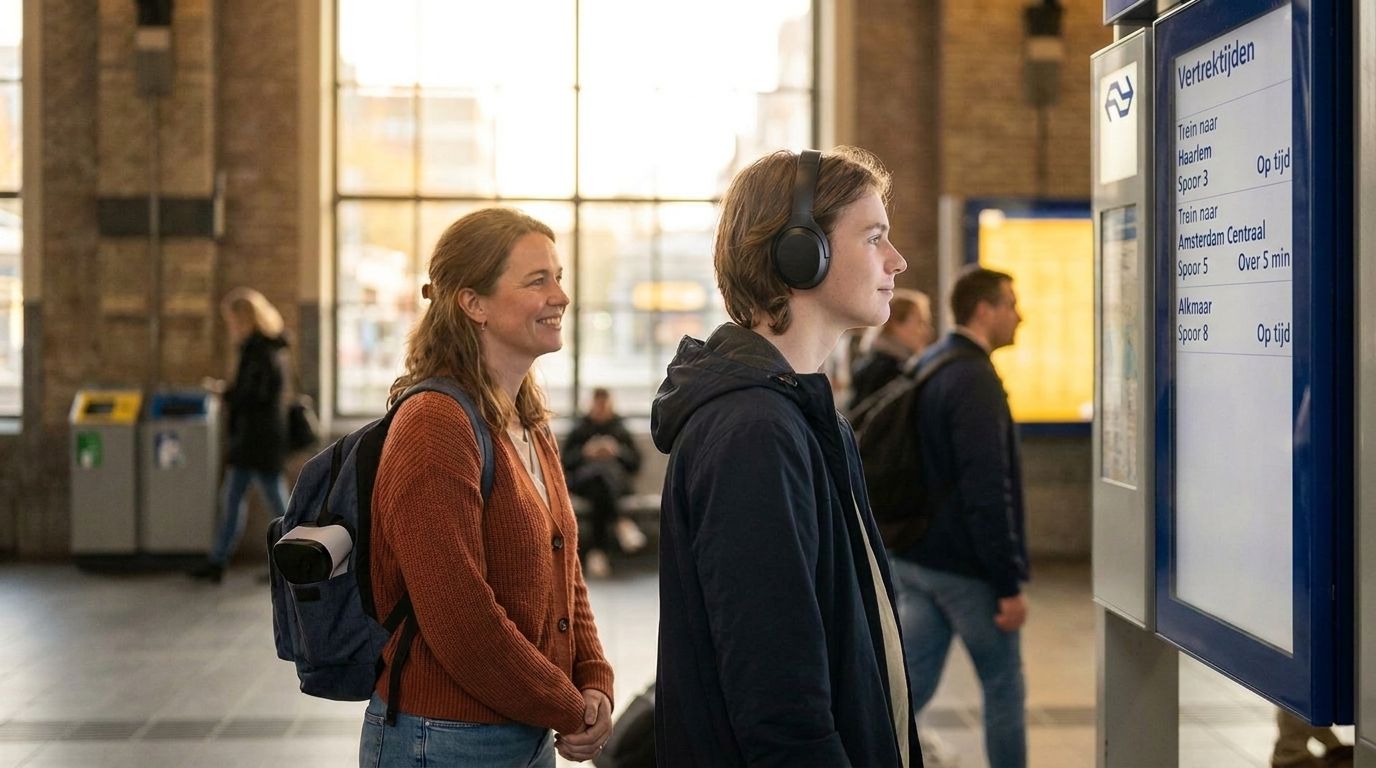
School transport as a developmental pathway towards independent travel
Student transport is often discussed as a service: a necessary way to take students from home to school and back. This is justified, because for many students, this service is essential.
At the same time, this sometimes leaves an important question unanswered: which students could eventually travel more independently with the right guidance?
For some young people, public transport is daunting, complex, or unpredictable. Not because they lack potential, but because traveling demands many things at once. You have to understand a route, process stimuli, read information, make decisions, and dare to ask for help when things don't go as expected.
Those are skills you don't learn by simply putting someone on a bus or train.
You learn them by practicing. Repeatedly. In small steps. With guidance close at hand. And preferably in an environment where making mistakes has no immediate consequences.
Therein lies an opportunity for municipalities that want to reform student transport without losing sight of the human aspect.
Independence requires preparation
When we talk about school transport reform, the focus often quickly shifts to systems, contracts, routes, tenders, and budgets. Those topics are important. But they do not answer the whole question.
For if a student is dependent on adapted transport today, that does not automatically mean that the student will always remain so. And if a student cannot yet travel independently, that does not mean that independence is out of reach.
The transition from dependent transport to independent mobility requires preparation.
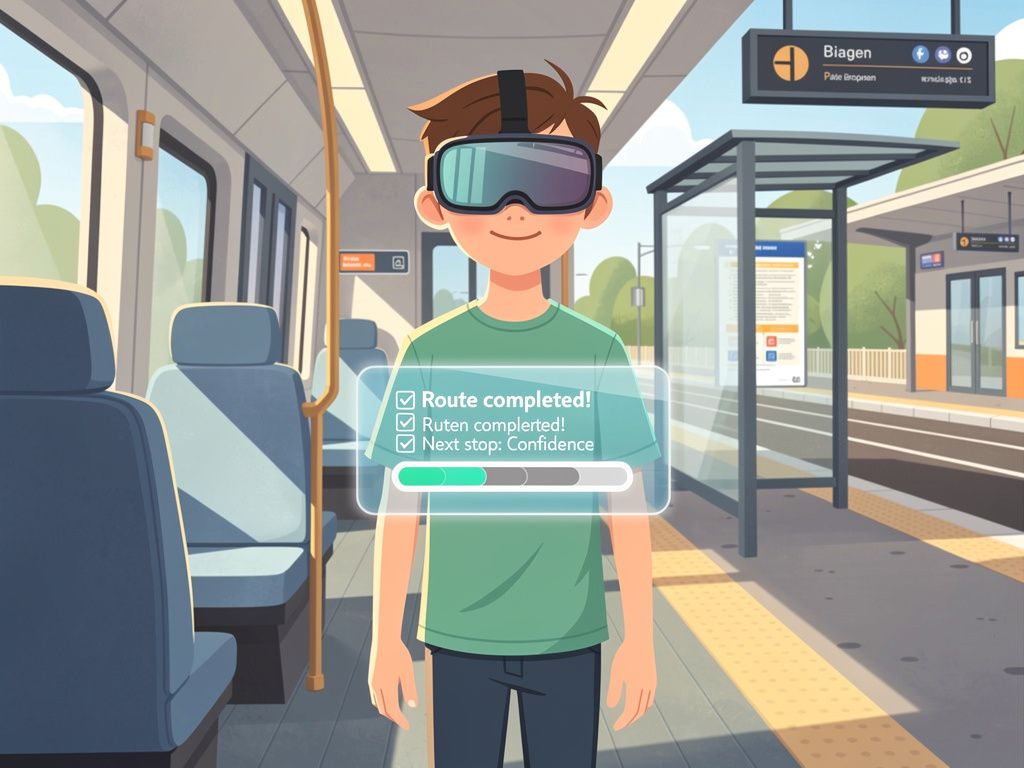
That begins with insight into what a student can already do, what is still challenging, and which situations require extra practice. Next, it involves safely building experience. First, simply and predictably. Then with more variety, activity, or unexpected situations. Only then comes the step into the real world.
For schools, municipalities, and parents, this is a different way of looking at things. Not only: is this student entitled to transport? But also: what development is possible if we provide good guidance?
Independent travel is part of citizenship
Being able to travel independently is more than mobility. It directly relates to citizenship and self-reliance.
In education, young people learn how to participate in society. This also includes learning how to get to school, internships, work, sports, friends, or family. For many young people, the bicycle is a matter of course in this regard. At many schools, road safety is practiced and cycling skills are encouraged, because participating safely in traffic is seen as part of growing up.
But for some young people, public transport, rather than the bicycle, is the most important route to independence.
That is precisely why we should view traveling by public transport much more emphatically as a learning objective. Not as something that will come naturally as a student gets older, but as a skill that can be practiced step by step.
If cycling lessons at school make sense, then public transport skills should too.
Not for every student in the same way. Not at the same speed. And not without guidance. But certainly as a serious part of citizenship and self-reliance.
In this way, student transport becomes not only a service for today, but also an opportunity to consider what independence is possible tomorrow.
How Virtual Public Transport helps with independent travel in special education
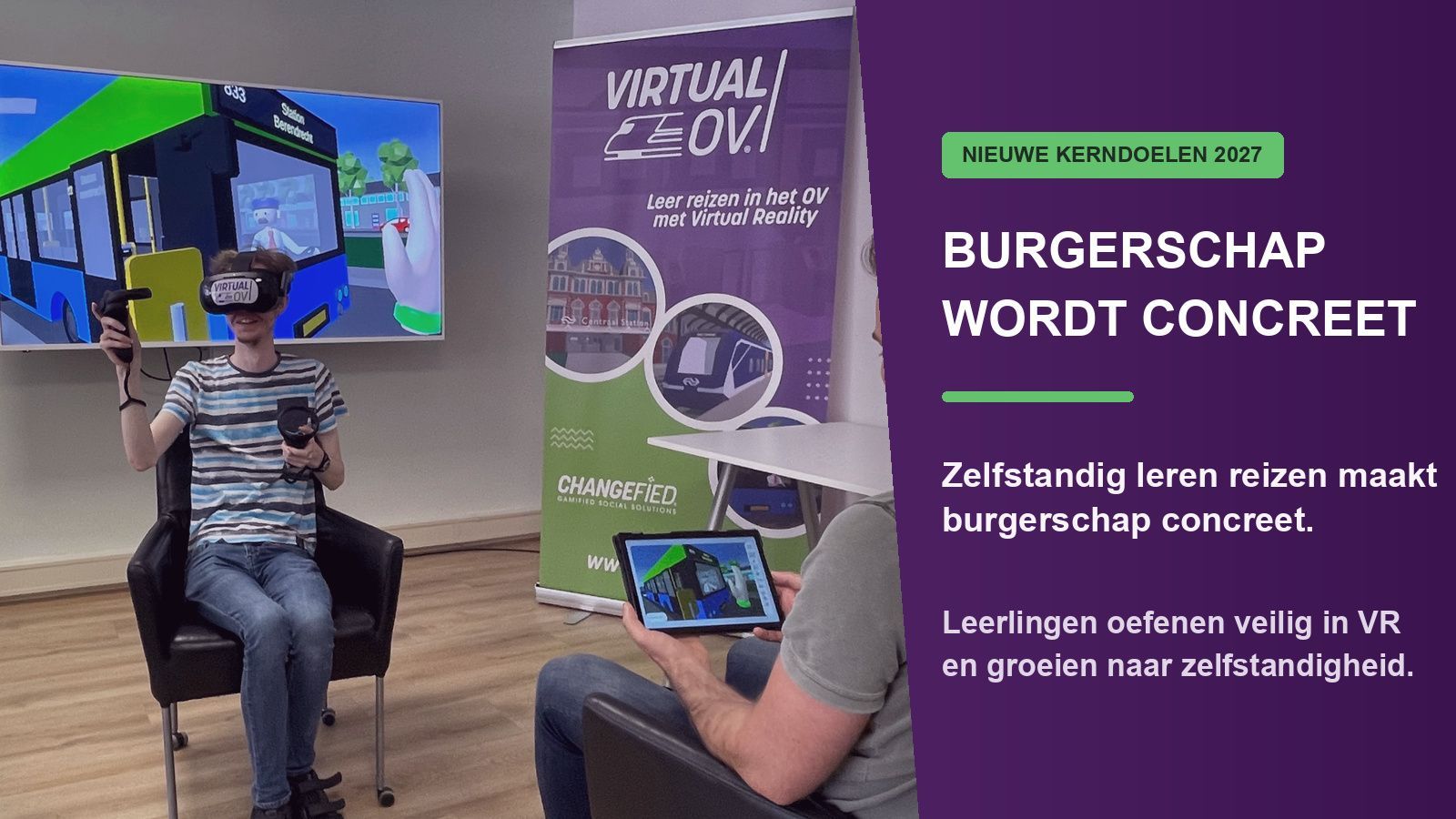
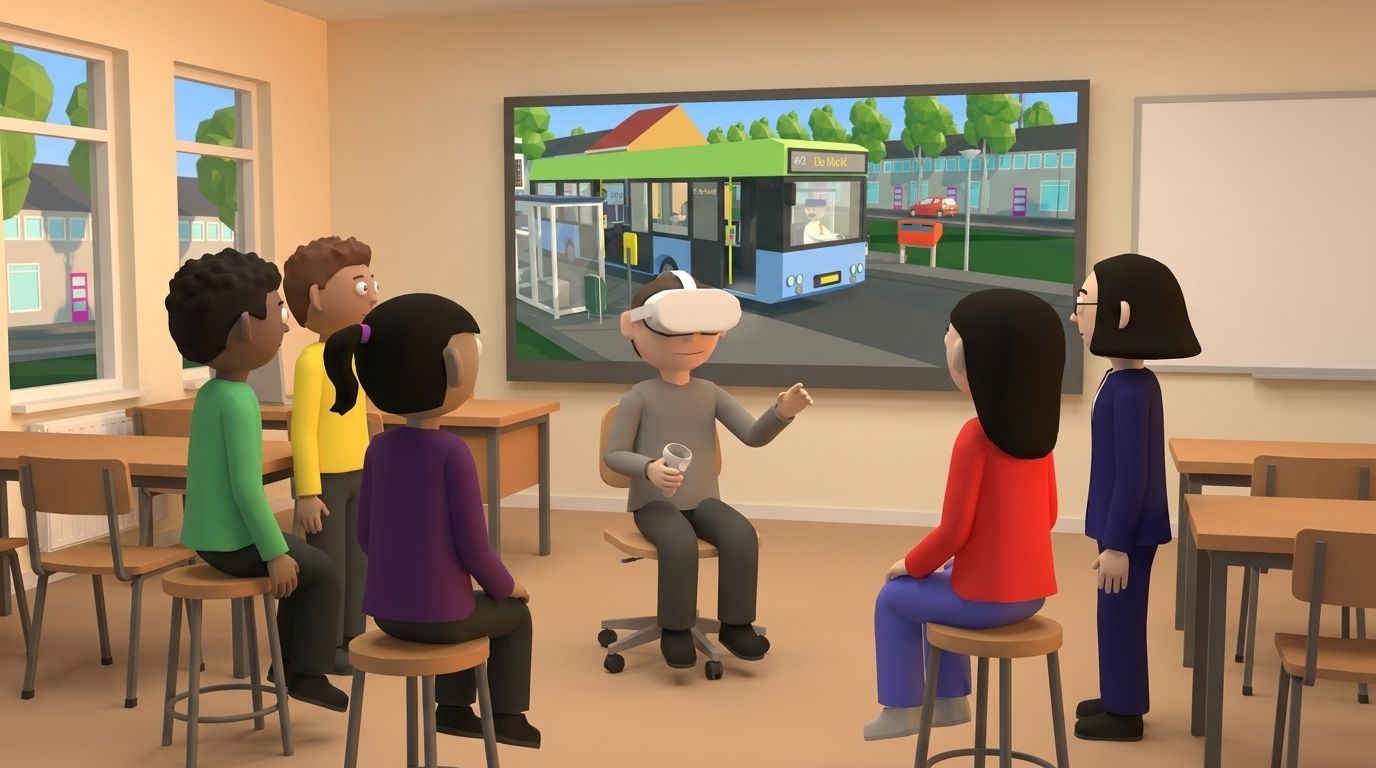
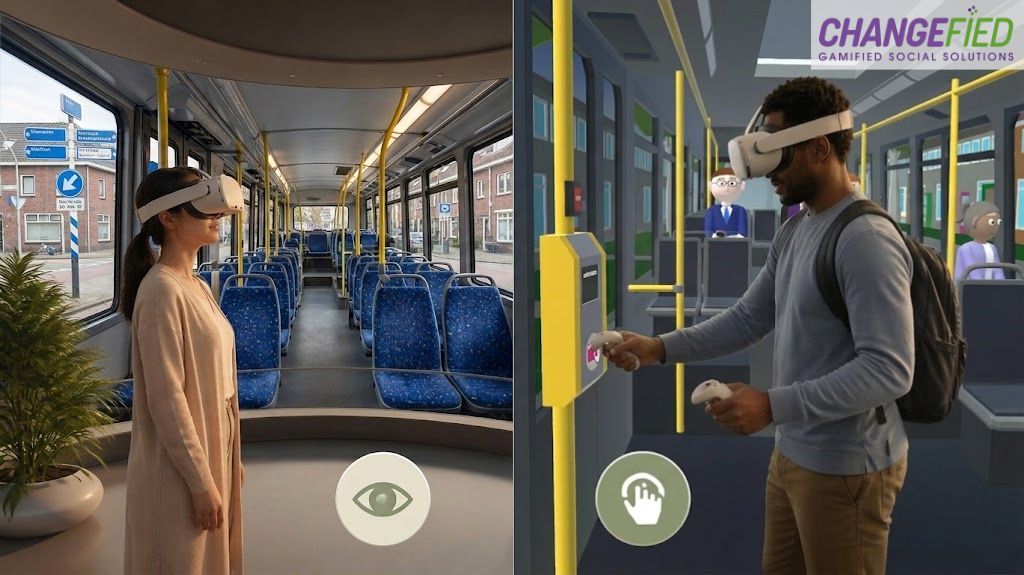
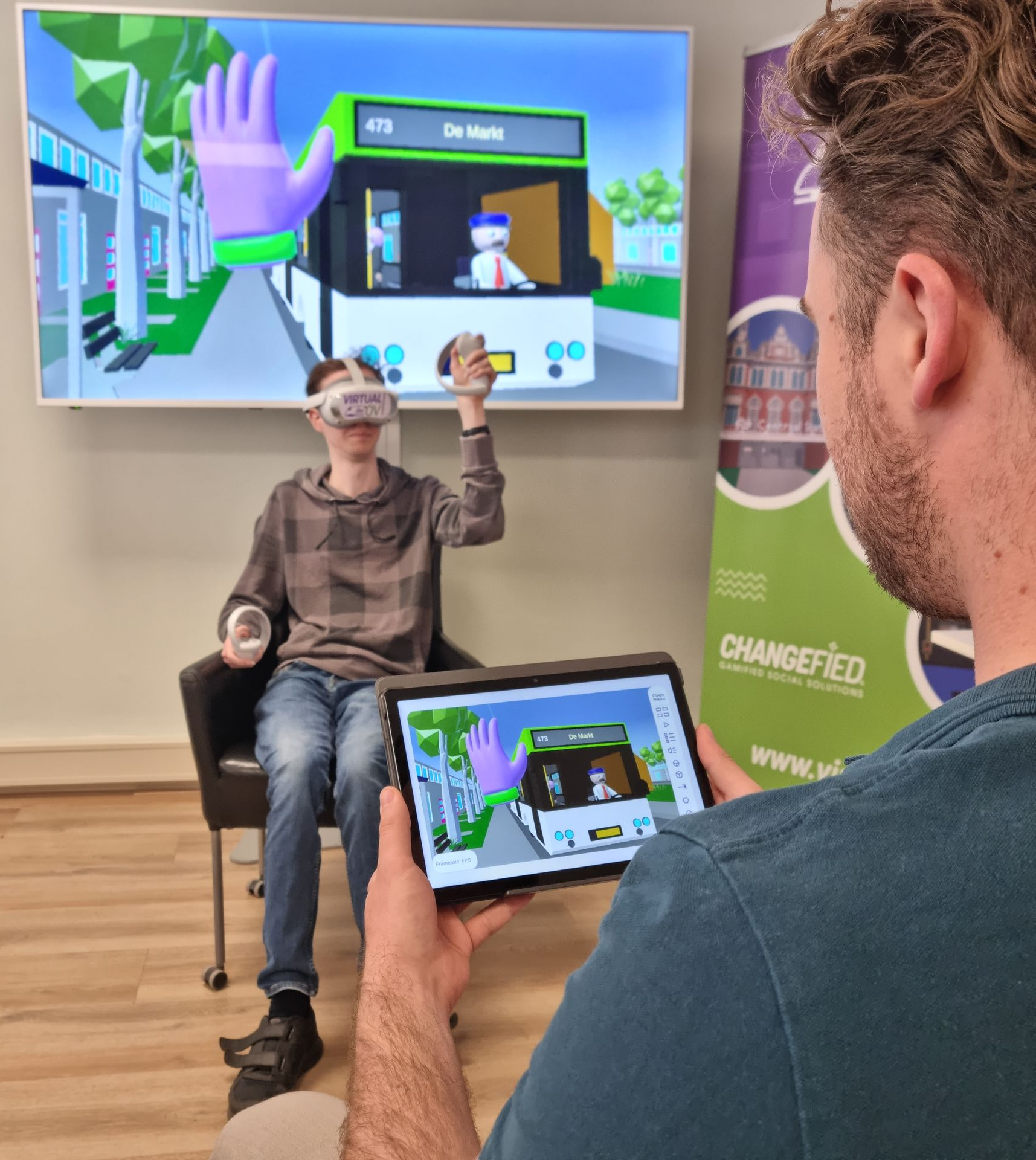
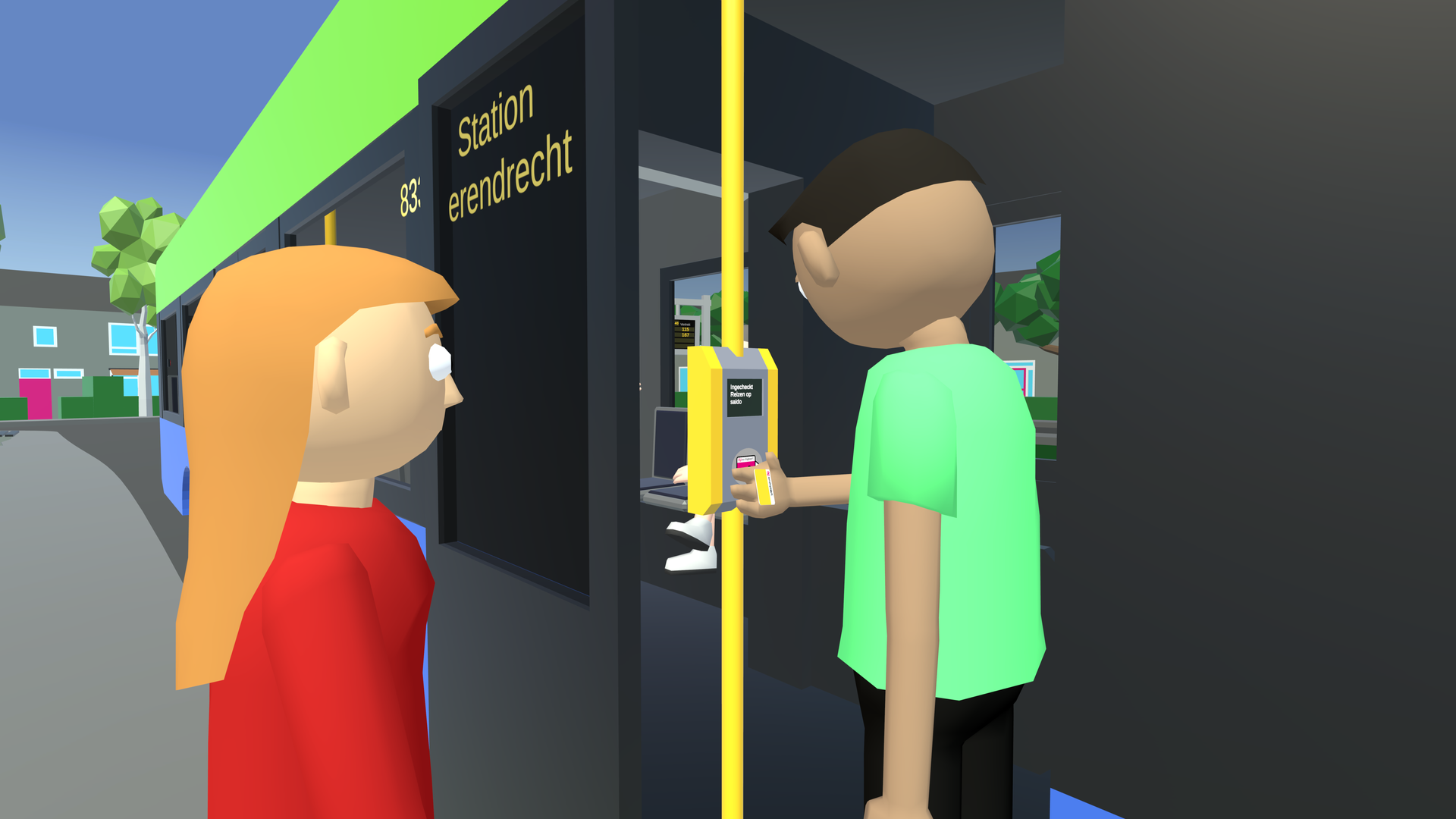
Virtual Public Transport is used within (special) education, where students can practice traveling independently under supervision. It is precisely there that a logical bridge is created between education, guidance, and mobility.
Instead of letting students experience what makes travel exciting only in the real world, they can first practice with recognizable public transport situations in VR. They learn step by step what happens during a journey, what choices they have to make, and how to deal with situations that might otherwise cause stress or uncertainty.
For schools, this offers a safe practice space within the familiar learning environment. For mentors, it becomes visible where a student is struggling or, conversely, growing. And for municipalities, it creates a practical way to encourage independence without letting students go unprepared.
Virtual OV is therefore not a replacement for school transport for everyone. For some students, adapted transport remains necessary. However, for a portion of young people, it can serve as a bridge between complete dependence on transport and gradually achieving more independent mobility.
Reforming student transport with an eye for the human dimension
The call for fundamental reform of student transport shows that the current system is reaching its limits. Precisely for this reason, it is important to broaden the discussion beyond just logistics and costs.
A future-proof system does not only look at how we plan routes more smartly. It also looks at how we prepare students for greater independence where feasible.
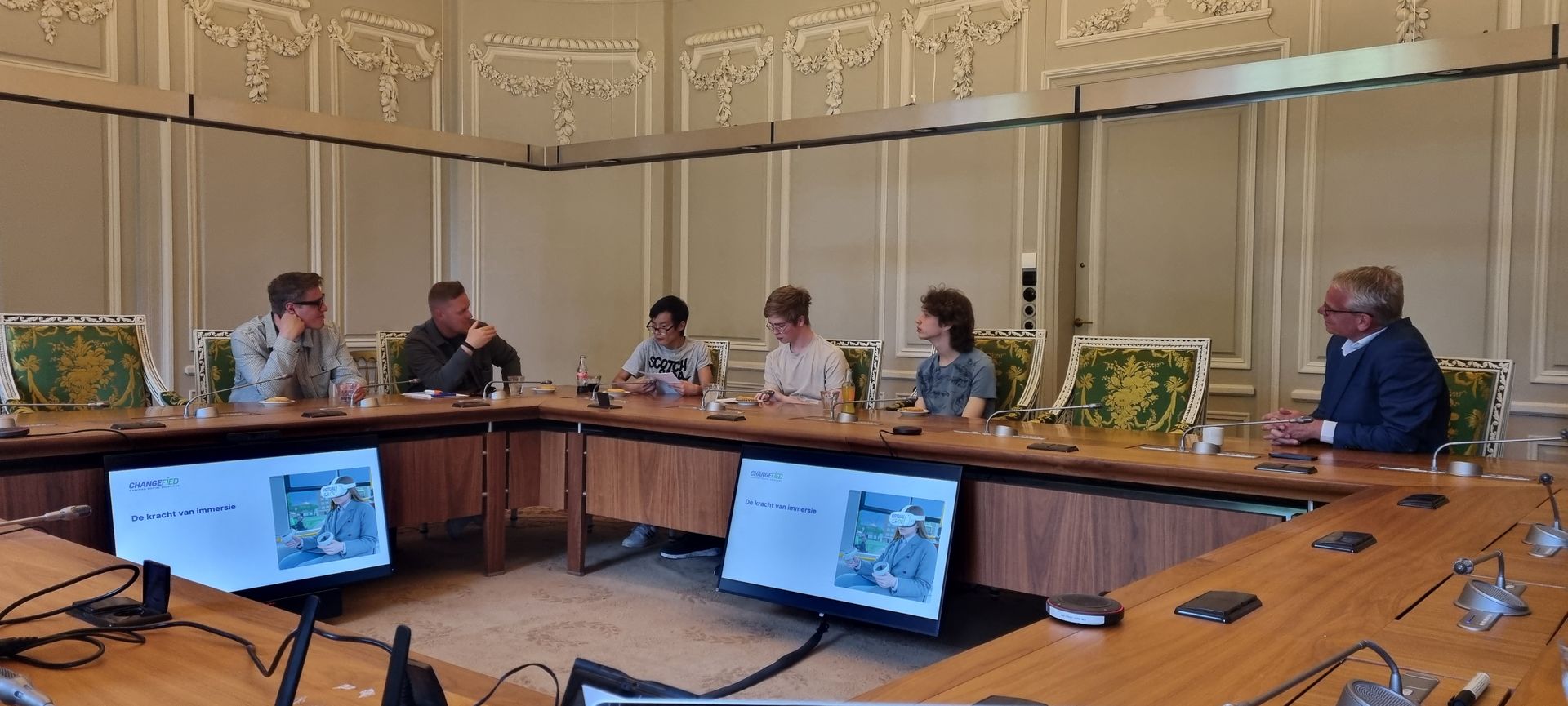
This requires collaboration between municipalities, schools, parents, transport providers, and developers. It requires a tailored approach. And it requires a willingness to view student transport not only as a final solution, but sometimes also as part of a development trajectory.
Because ultimately, student transport is not just about transportation.
It is about access to education. About participation. About trust. About the question of how we help young people enter the world more independently, step by step.
Perhaps that is why real reform does not begin with less transport.
But with more confidence.
If this theme is also relevant within your municipality, region, or province, we would be happy to help think about how Virtual OV can contribute to greater self-reliance, inclusive mobility, and a more future-proof approach to student transport.
Please feel free to contact us if you would like to discuss this further or explore what this could mean for your situation.