Collaboration with Hidden Disabilities Sunflower
Changefied is a proud partner of Hidden Disabilities Sunflower, the globally recognized symbol for people with invisible disabilities. The Sunflower lanyard discreetly yet clearly communicates that someone needs extra support, more time, or more understanding while traveling or participating in society.
What is the Hidden Disabilities Sunflower?
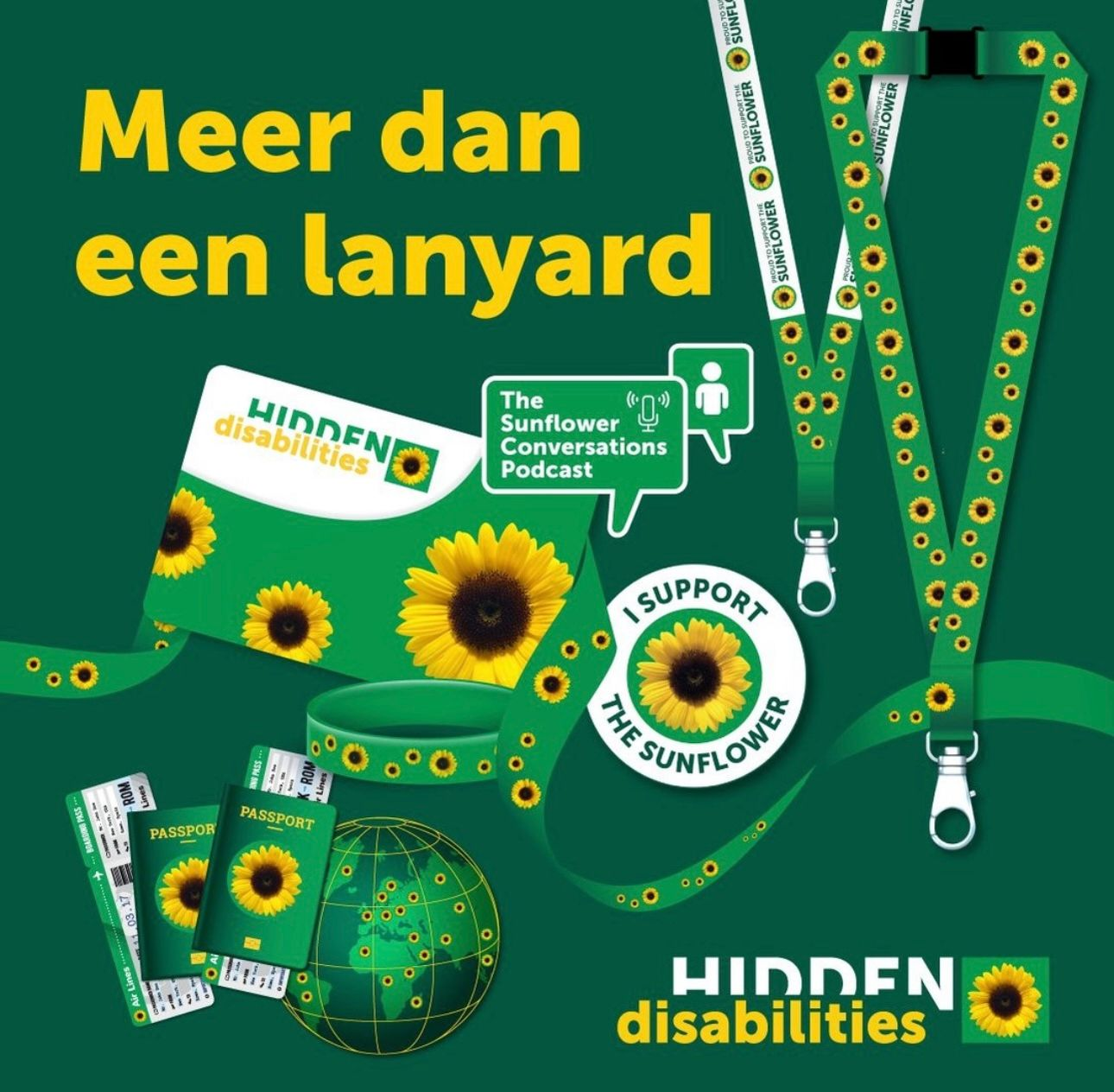
The Hidden Disabilities Sunflower is a green lanyard with sunflowers that can be worn as a lanyard, wristband, or badge. It alerts employees in public transport, airports, education, retail, and leisure sectors, among others, that the wearer has a hidden disability, such as autism, ADHD, acquired brain injury (ABI), chronic conditions, anxiety, or sensory overstimulation or understimulation. Without anyone having to explain everything, it quickly becomes clear that extra rest, explanation, or support can be helpful.
Why their mission fits Changefied
With our virtual reality solutions, such as Virtual Public Transport, Changefied helps neurodivergent people prepare for real-world situations, including public transport and stimulating environments. The Hidden Disabilities Sunflower adds a recognizable and accessible symbol to this practical experience, allowing environments to better meet the needs of our target groups. Together, we contribute to greater accessibility, inclusion, and predictability for people with a non-visible disability.
What does this mean for organizations and users?
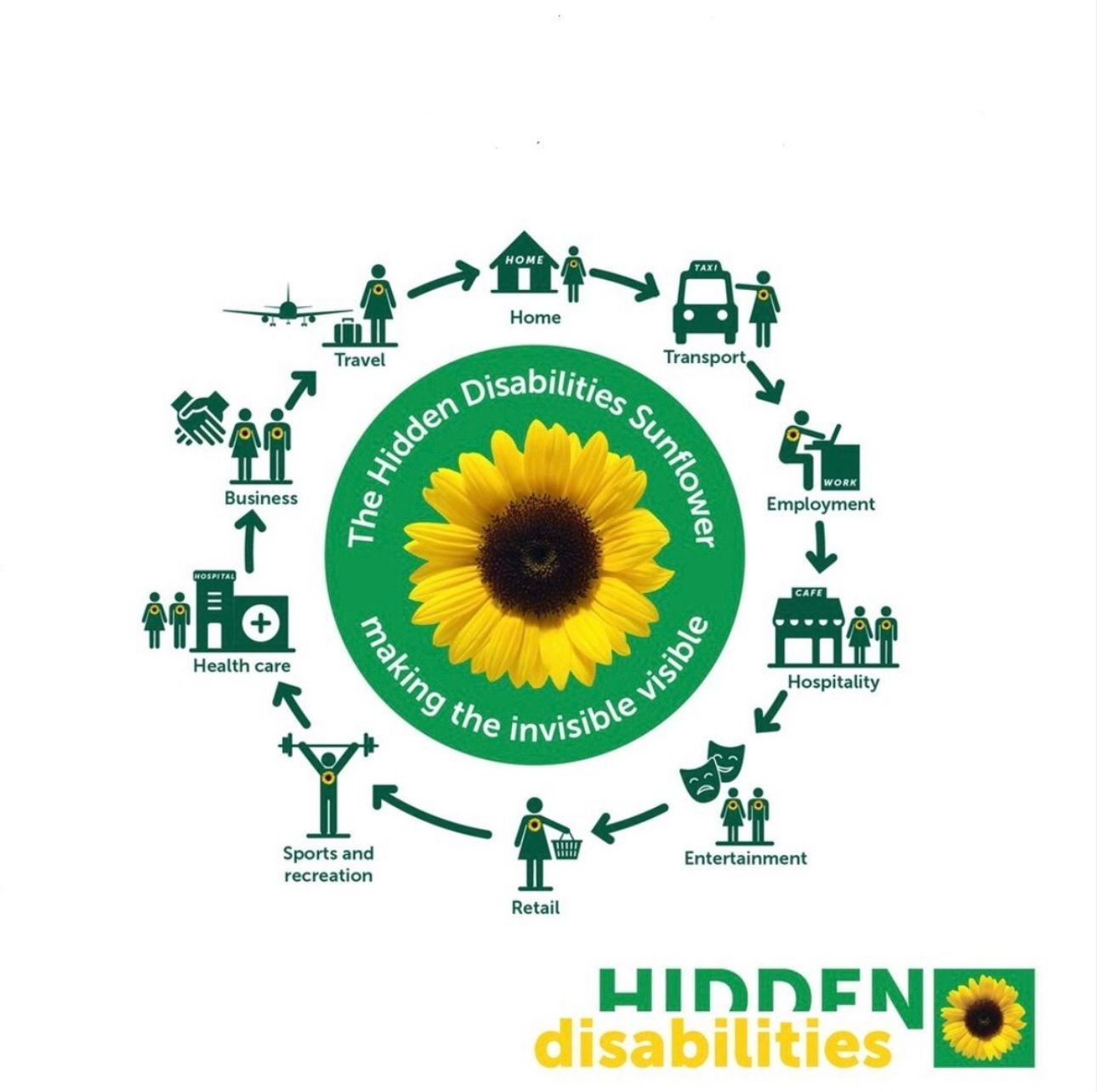
Organizations using the Hidden Disabilities Sunflower can train their staff to act with understanding and appropriate behavior while simultaneously providing a clear identifier for visitors with invisible disabilities. This creates a combination of better-trained staff, greater recognition, and greater control over challenging situations for users.
Would you like to know more about Hidden Disabilities Sunflower or how this collaboration can be implemented within your organization?
Click the button below for more information and discover the value of educating students or clients about this identifying mark, so they feel more confident and better understood in (travel) environments.